


Police face scrutiny over internal control failures amid investigation reforms
Translated from Korean and summarized by DistantNews. Read the original for the full story.
At a glance
News
Named sources
Under investigation
- Two recent cases of alleged misconduct have highlighted serious weaknesses in the South Korean police's internal control mechanisms.
- These incidents have eroded public trust, particularly as the police prepare to gain expanded investigative authority.
- The police are implementing new measures, including a review of closed missing persons cases and personnel reshuffling, to address the fallout.
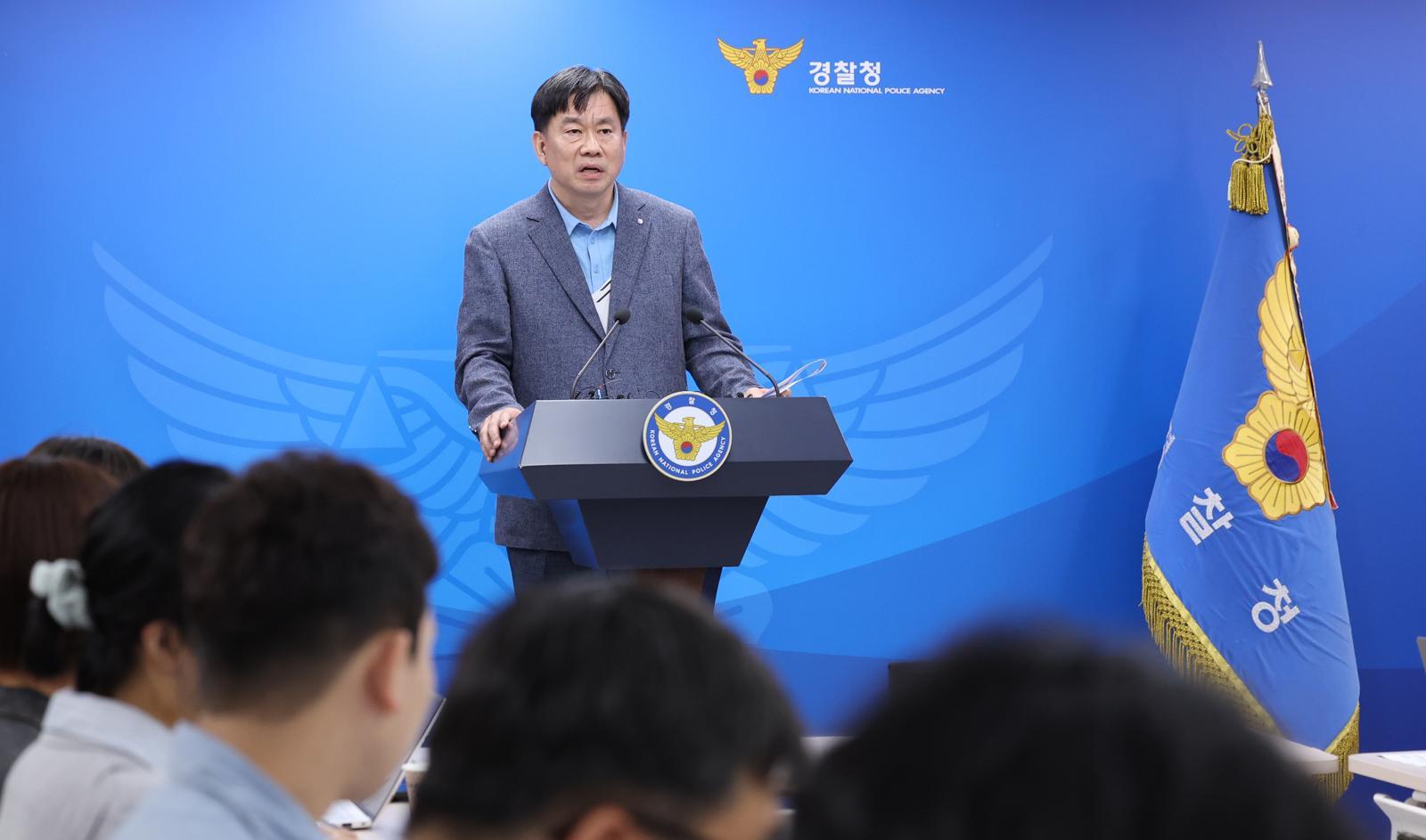
The South Korean police force is facing unprecedented scrutiny following two high-profile scandals that have exposed critical vulnerabilities in its internal control systems. These incidents, occurring just as the force prepares for expanded investigative powers under revised criminal procedure laws, have placed the entire 130,000-strong organization under a harsh public spotlight.
The common thread in both the 'Jeju missing person case' and the 'Gwangju Jang Yun-gi's botched investigation' is the failure of primary internal controls designed to prevent abuse of power and mishandling of cases at the local level. In Jeju, an officer allegedly exploited a loophole in the missing person profiling system, allowing cases to be closed without managerial approval. In Gwangju, allegations surfaced of internal connections facilitating the leak of investigative information and preferential treatment for a suspect whose father had a long tenure at the local police station.
The two recent cases involving the 'Jeju missing person case' and the 'Gwangju Jang Yun-gi botched investigation' have shaken the entire police organization.
In response, the police have been criticized for their reactive approach, typically initiating internal investigations and proposing superficial solutions only after incidents gain significant public attention. Following the Jeju case, the police announced a comprehensive review of approximately 310,000 missing person cases closed over the past three years. They also plan to implement stricter protocols, such as prohibiting remote case closures and requiring formal approval from the criminal division chief.
In the past, incidents in regional police stations with less oversight than the metropolitan areas might have been dismissed as individual misconduct, but now they are linked to the entire organization's lax discipline.
For the Gwangju case, an internal investigation revealed 117 cases nationwide involving relatives of police officers. However, a proposed 'personnel rotation system' to address this has reportedly met with strong internal resistance. The government, concerned about the impact on public trust, is pressuring the police for reform. President Lee Jae-myung has called for the establishment of a police reform agency, and Interior Minister Yun Ho-jung convened an emergency meeting with police leadership to demand immediate action.
Despite past efforts, including proposals for human rights committees and internal affairs units, public skepticism remains high regarding the police's ability to self-regulate, especially with their enhanced investigative autonomy. Experts suggest that the force needs to implement robust control mechanisms, possibly under presidential oversight, to regain public confidence. The increasing societal expectation for accountability, proportionate to the police's expanded powers, means that individual lapses are now viewed as systemic failures.
Strong police reform must be pursued, including the self-introduction of high-level control mechanisms and ensuring implementation through a presidential-level organization.
About this summary
Originally published by Hankyoreh in Korean. Translated, summarized, and contextualized automatically by DistantNews, with a note on how the source frames the story. Not individually reviewed before publishing. How this works.
More Stories


From Our Blog

What Gets Lost (and Found) When News Is Translated

The Critical Role of Diaspora Media in Global News

What Travellers Should Know About Countries with Restricted Press

A Digital Nomad's Guide to Following Local News

How the Same Story Looks Different in Different Countries
