


Political Parties Lose Their Way When Swayed by Hardline Members
Translated from Korean, summarized and contextualized by DistantNews.
At a glance
Analysis
Named sources
Context piece
- The article criticizes the concept of "party member sovereignty" in South Korean politics, arguing it grants undue power to party members over crucial decisions.
- It highlights that while parties receive significant state funding, decision-making power rests with a small group of dues-paying members, creating a disconnect between public funding and party control.
- The piece contrasts this with public opinion on issues like prosecutorial reinvestigation rights, suggesting that parties are becoming detached from the broader electorate.
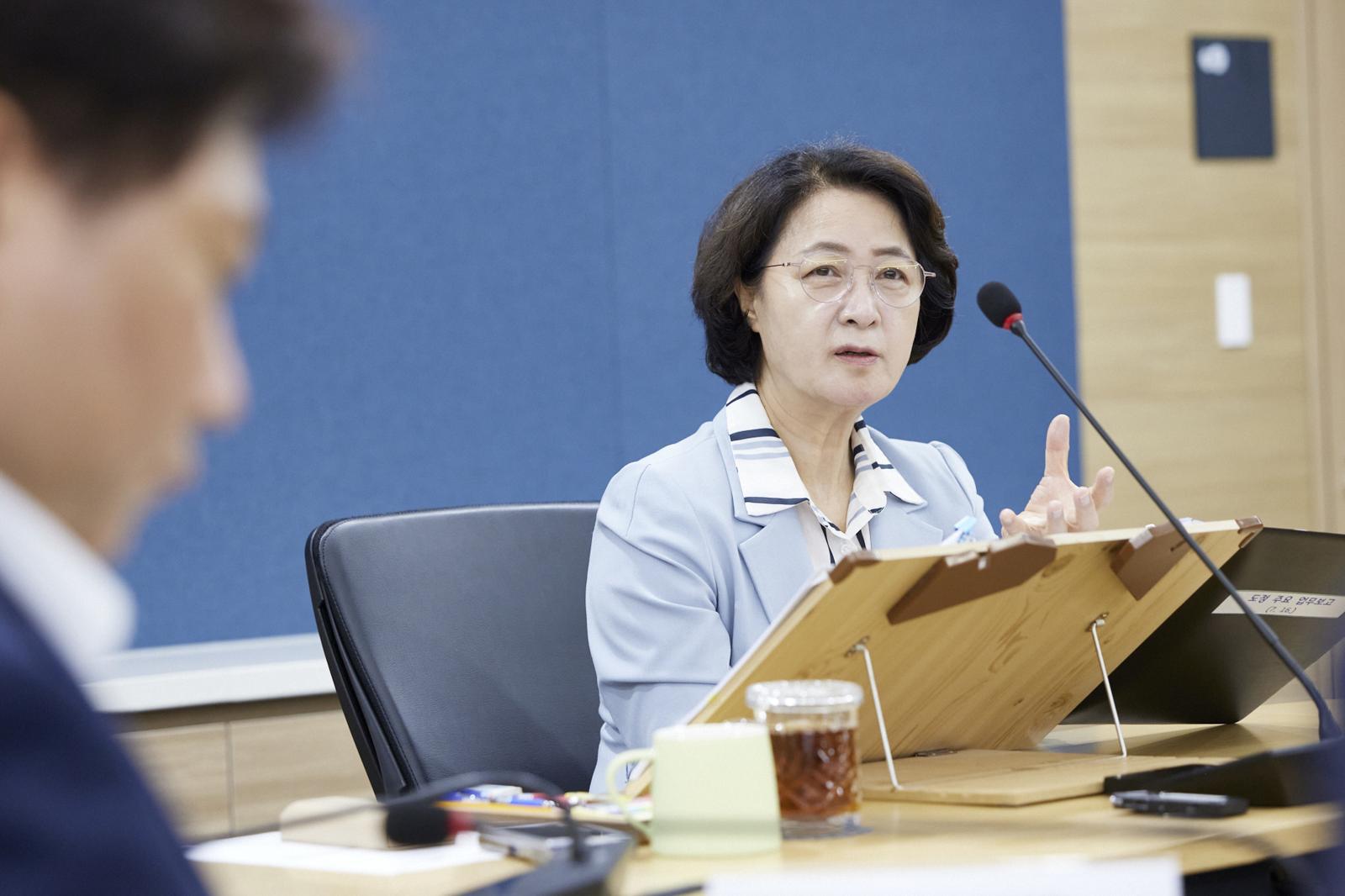
The concept of "party member sovereignty" is fundamentally flawed and is leading South Korean political parties astray, according to the article. It argues that while sovereignty ultimately rests with the people, political parties grant decision-making power, such as leadership and candidate selection, to a select group of dues-paying members. This creates a structure where parties receive substantial public funding but are controlled by a narrow faction.
Party member sovereignty is a wrong term. Party members have party power. Party member sovereignty is a wrong term.
The article points out the significant amount of state funding political parties receive through subsidies. In May, seven parties received 13.4 billion won in regular subsidies and 57 billion won in election subsidies. Despite the growing proportion of party income from membership dues, parties would struggle to operate without this national funding. The author contends that it is illogical for parties to accept public funds while allowing a small group of members, who pay minimal dues, to wield significant power.
Party member intentions are very important, but personally, if our party or the Democratic Party says that party members should decide everything, then we should refuse the state subsidies for political parties. We are a public party receiving tens of billions of won annually.
This critique is exemplified by comments from Jeong Jeong-sik, the interim leader of the People Power Party. He questioned the notion of party member sovereignty, stating that if parties are to be solely dictated by their members, they should refuse state subsidies. Jeong criticized both his own party and the Democratic Party for being swayed by hardline party members, particularly regarding the abolition of the prosecutor's reinvestigation rights, which he believes serves only a select group.
We are criticizing the Democratic Party for having party members decide everything and acting according to party members' intentions. We are also saying that the abolition of reinvestigation rights is a policy only for hardline party members.
The article further supports its argument by referencing public opinion polls. A recent survey indicated that 61% of the public supports maintaining the prosecutor's reinvestigation rights to check police power and prevent flawed investigations, while only 23% favor its complete abolition. This contrasts sharply with the internal dynamics of parties like the Democratic Party, where dissenting voices on this issue are met with harsh criticism and threats from hardline members. The piece suggests this disconnect signifies a growing alienation between political parties and the general populace.
A political party is a collective body aiming for general elections and presidential elections, for political power. I believe it cannot exist in a state detached from the people.
DistantNews Editorial
Originally published by Hankyoreh in Korean. Translated, summarized, and contextualized by our editorial team with added local perspective. Read our editorial standards.
More Stories


From Our Blog

What Gets Lost (and Found) When News Is Translated

The Critical Role of Diaspora Media in Global News

What Travellers Should Know About Countries with Restricted Press

A Digital Nomad's Guide to Following Local News

How the Same Story Looks Different in Different Countries
