

Pope Calls for AI Disarmament, Citing Threats to Human Dignity
Translated from Hungarian, summarized and contextualized by DistantNews.
At a glance
News
Named sources
Context piece
- Pope Francis called for the disarmament of artificial intelligence, drawing parallels to his predecessor Leo XIII's 1891 encyclical on industrial workers' rights.
- He warned against autonomous weapons systems that make life-and-death decisions without human oversight and algorithms that could deny essential services.
- The Pope urged that AI, like nuclear energy, must serve the common good and be guided by conscience and responsibility, not by dominance or exclusion.
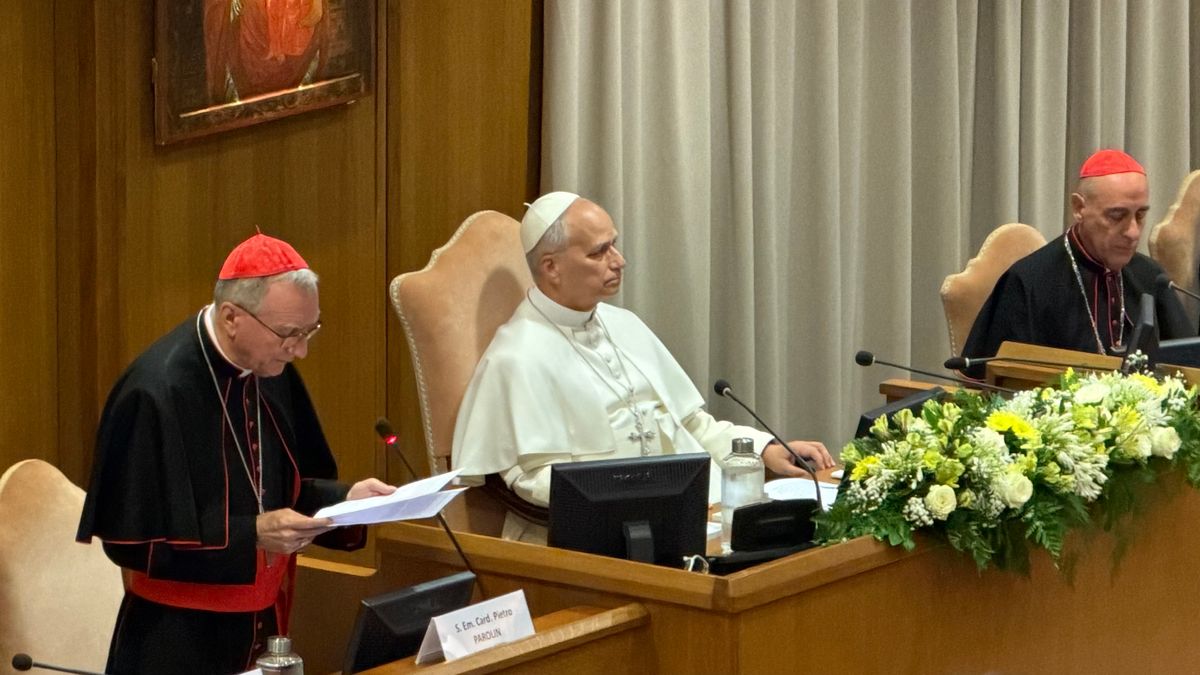
Pope Francis has called for the disarmament of artificial intelligence, likening the current digital age's challenges to those addressed by his predecessor, Pope Leo XIII, in his 1891 encyclical "Rerum Novarum" concerning industrial workers. The pontiff stated that the Vatican has a duty to speak out about new digital advancements that threaten human dignity.
During consultations with scientists, politicians, and parents, the Pope identified specific dangers posed by AI. He particularly condemned "war systems" that can decide matters of life and death without human intervention. He also expressed concern over databases and algorithms that could potentially strip large populations of access to healthcare, employment, or security.
ahogyan 135 évvel ezelőtt elődje, XIII. Leó pápa a Rerum novarum enciklikával felemelte szavát az ipari forradalom által kizsákmányolt gyári munkásokért, úgy ma a Vatikánnak is kötelessége megszólalni a digitális korszak új vívmányairól, amelyek alapjaiban fenyegethetik az emberi méltóságot.
Drawing a parallel to the Church's decades-long advocacy for nuclear disarmament, Pope Francis argued that immense technological power without moral control could lead humanity to ruin. He asserted that artificial intelligence must be freed from the "logic of dominance, exclusion, and death," and like nuclear energy, should be harnessed for the common good.
Különösen veszélyesnek nevezte azokat a harci rendszereket, amelyek emberi felügyelet nélkül, önállóan döntenek élet és halál kérdéséről a háborúkban, valamint azokat az adatbázisokat és algoritmusokat, amelyek emberek tömegeit foszthatják meg az egészségügyi ellátástól, a munkától vagy a biztonságtól.
The Pope emphasized that technological decisions must never be separated from conscience and responsibility. He cautioned that if technology dulls human conscience, peace itself is endangered. Quoting St. Paul, he urged vigilance and, referencing Pope Paul VI, stated that true development must encompass all people and the entire human family, ensuring no one is left behind in the digital transition or reduced to mere data.
Concluding his address, Pope Francis stressed that the Church's role is not to provide technical solutions but to offer the wisdom of human nature: the recognition of each person's unique, unrepeatable, and free identity. He encouraged attendees to become "artisans of hope," working towards a future where technological advancement ushers in a "civilization of love" rather than dehumanization.
Hangosulta, hogy a mesterséges intelligenciát is fel kell szabadítani a dominancia, a kirekesztés és a halál logikája alól. Ahogyan a nukleáris energiát, úgy ezt a technológiát is a közjó szolgálatába kell állítani.
DistantNews Editorial
Originally published by Magyar Nemzet in Hungarian. Translated, summarized, and contextualized by our editorial team with added local perspective. Read our editorial standards.
More Stories


From Our Blog

Countries Without a Free Press: What You Need to Know

What Press Freedom Means for the News You Read

What Gets Lost (and Found) When News Is Translated

The Critical Role of Diaspora Media in Global News

What Travellers Should Know About Countries with Restricted Press
