

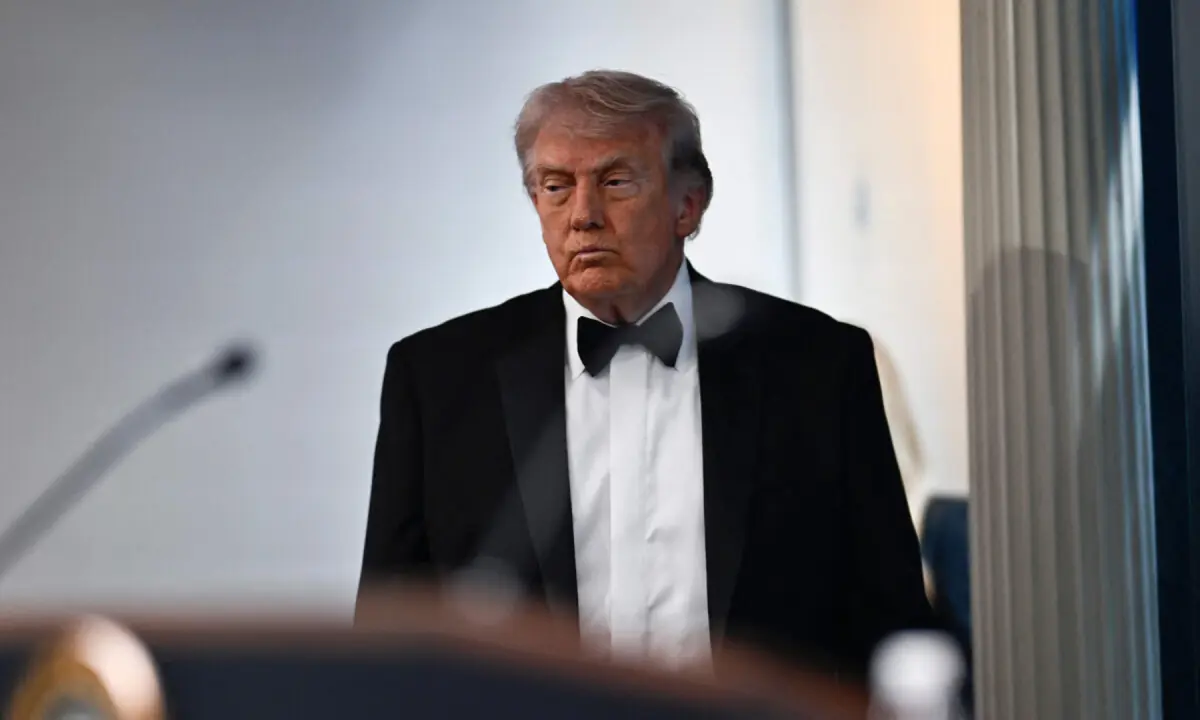

Pope Criticizes Trump's 'War-Mongering,' Urges Dialogue with Iran Amidst Escalating Costs
Translated from English, summarized and contextualized by DistantNews.
TLDR
- Pope Leo XIV has openly criticized US President Donald Trump's "war-mongering approach" and urged dialogue with Iran.
- The ongoing conflict, despite a ceasefire extension, continues to exact a heavy toll on innocent lives and the global economy, with the US spending an estimated $41.6 million per hour on Operation Epic Fury.
- The war has exposed divisions within NATO and is leading to shifts in global partnerships, potentially fostering new alliances with the Global South.
In a striking display of moral authority, Pope Leo XIV has emerged as a significant counterpoint to the hard-line policies emanating from Washington. His recent vocal criticism of President Donald Trump's "war-mongering approach" and his impassioned plea for continued dialogue between the US and Iran highlight a growing global weariness with the conflict.
who listens to such voices of restraint when the drums of war grow louder?
The war, even with an extended ceasefire, continues to inflict devastating losses on civilian populations, particularly in Iran and Lebanon. The economic repercussions are equally severe, with the blockade of the Strait of Hormuz crippling global trade and ordinary citizens bearing the brunt of increased fuel costs. The staggering operational cost of Operation Epic Fury, estimated at $41.6 million per hour, underscores the immense financial burden of this protracted conflict.
Beyond the immediate human and economic costs, the war has served to expose deep fault lines within the North Atlantic Treaty Organization (NATO). The widening gulf between the US and its traditional Western allies is becoming increasingly apparent, challenging long-standing political and strategic cohesion.
War, in this sense, is not only fought on battlefields; it is paid for in the everyday lives of millions.
This erosion of Western solidarity, while significant, may pave the way for new geopolitical alignments. The article suggests a potential strengthening of ties among Western nations themselves, as well as the emergence of new partnerships with countries in the Global South. The war, therefore, is not only a military and economic struggle but also a catalyst for reshaping the global political landscape, testing the trust and relationships between nations.
The war has also exposed clear fault lines within Nato, or more precisely, between the US and its Western allies.
DistantNews Editorial
Originally published by Dawn in English. Translated, summarized, and contextualized by our editorial team with added local perspective. Read our editorial standards.
More Stories

From Our Blog

What Gets Lost (and Found) When News Is Translated

The Critical Role of Diaspora Media in Global News

What Travellers Should Know About Countries with Restricted Press

A Digital Nomad's Guide to Following Local News

How the Same Story Looks Different in Different Countries
