

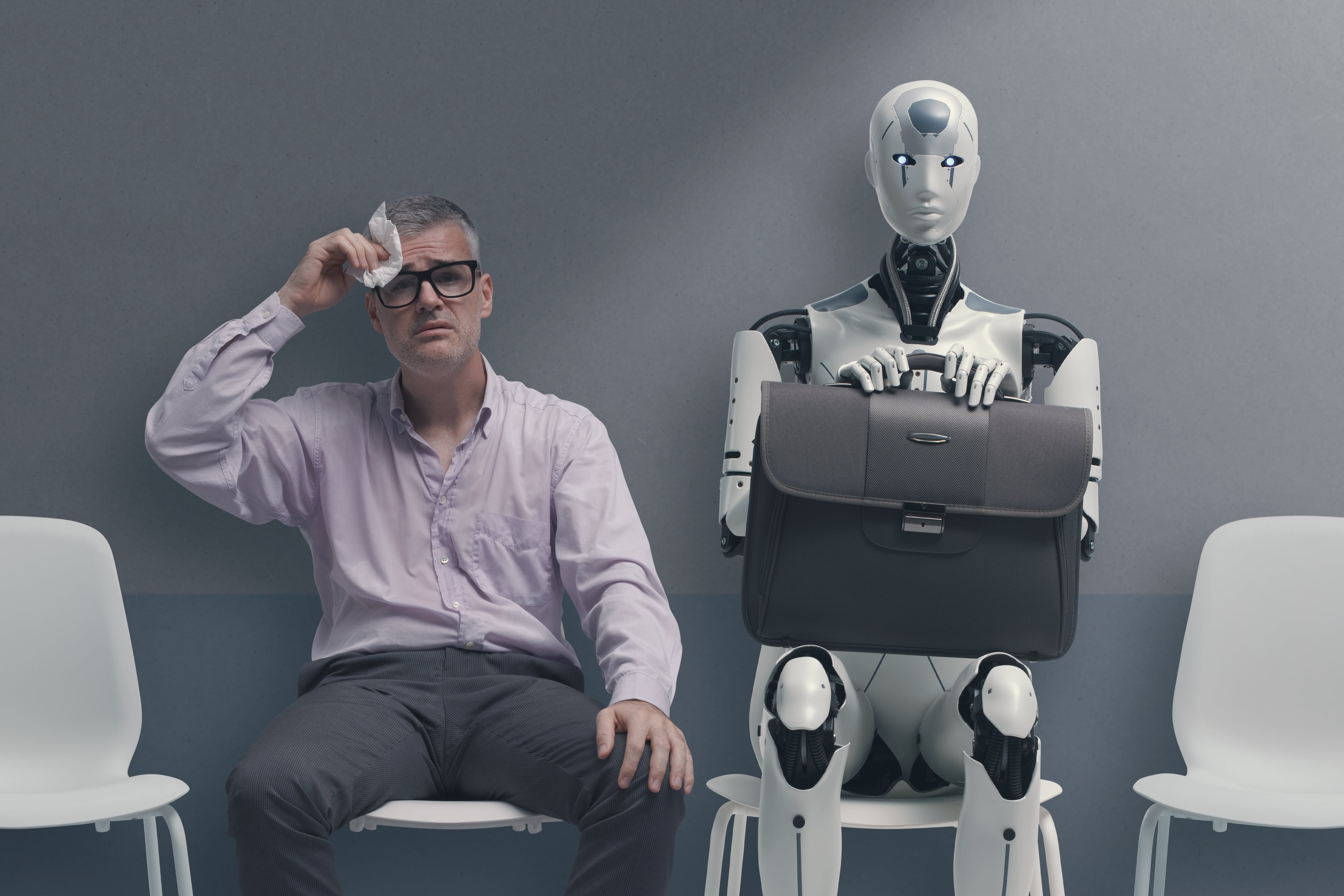
Pope Francis and media editors share concerns over AI's growing power and potential for inequality
Translated from Spanish, summarized and contextualized by DistantNews.
At a glance
News
Sources not specified
Context piece
- Pope Francis expressed concern over the growing power of artificial intelligence and its potential to exacerbate inequality and create new monopolies.
- Media editors are grappling with AI's impact on journalism, facing challenges from misinformation and the unauthorized use of content by AI platforms.
- The article highlights AI's rapid evolution, noting how platforms like ChatGPT are transforming internet use by providing instant answers and raising questions about intellectual property rights for content creators.
Pope Francis has voiced deep concerns about the rapid advancements in artificial intelligence, warning that these technologies, while offering potential for greater participation and justice, also risk widening the gap of inequality and exclusion. He questioned whether AI truly contributes to human and fraternal growth, expressing particular worry for those unable to access these new tools. The Pope pointed to the concentration of data, computing power, and regulatory control in the hands of a few, describing this as a new economic and political asymmetry and directly referencing "new AI monopolies."
Innovations, including AI, are not neutral; they can increase participation and justice, but also widen inequality and exclusion.
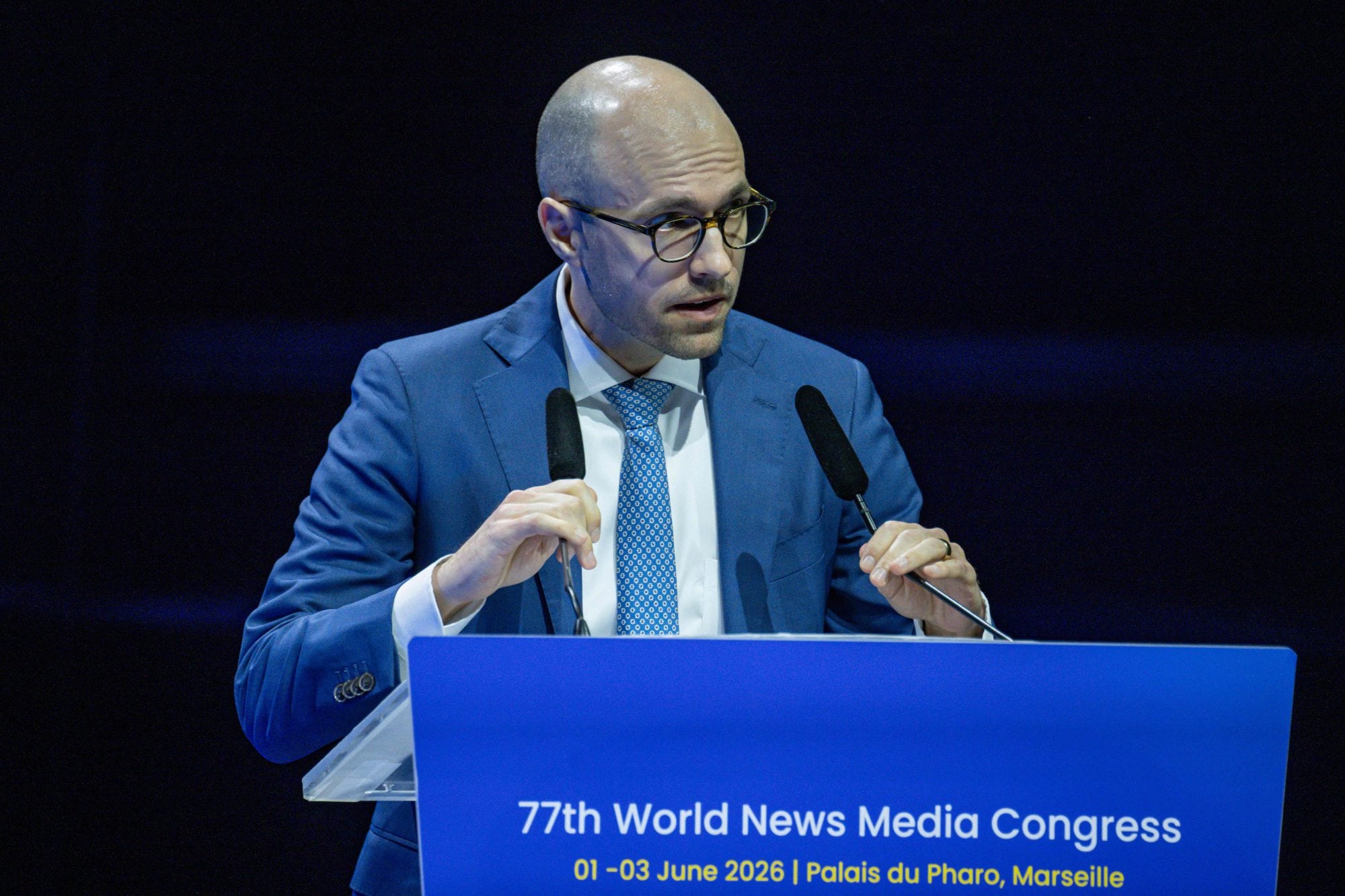
His remarks come as a growing chorus calls for regulation to prevent tech companies and political actors from exploiting manipulated videos, fake news, and hate speech. Meanwhile, media editors attending the World Media Congress in Marseille are confronting more immediate, earthly concerns about the future of independent journalism. They see it as the last defense against disinformation and a crucial pillar of liberal democracies.
AI has fundamentally altered how citizens access information since its emergence four years ago, marking the third digital revolution for the press. Following the internet's arrival in the 1990s and the subsequent rise of smartphones and social media, AI now grants platforms the ability to understand and generate responses instantly. This transforms AI from a mere tool into an all-encompassing collaborator that fulfills user needs in a flash. ChatGPT alone handles 2.5 billion searches daily, reshaping the internet experience from navigation to delegating all demands to bots.
In a world where few subjects concentrate data, computing capital, and regulatory capacity, speaking of the common good means unmasking this new economic and political asymmetry.
A significant issue is the resistance from major AI platforms like Anthropic, Meta, Google, and Microsoft to acknowledge the intellectual property rights of content creators, whose work forms a substantial basis for AI-generated content. Their acknowledgment has been limited to a few specific cases and languages, leaving many media organizations concerned about the unauthorized use and potential devaluation of their journalistic output.
The tribulations of the more than a thousand editors convened here... concern more earthly matters, though no less worrying for the future of independent journalism.
DistantNews Editorial
Originally published by La Nación in Spanish. Translated, summarized, and contextualized by our editorial team with added local perspective. Read our editorial standards.
More Stories



From Our Blog

What Gets Lost (and Found) When News Is Translated

The Critical Role of Diaspora Media in Global News

What Travellers Should Know About Countries with Restricted Press

A Digital Nomad's Guide to Following Local News

How the Same Story Looks Different in Different Countries
