


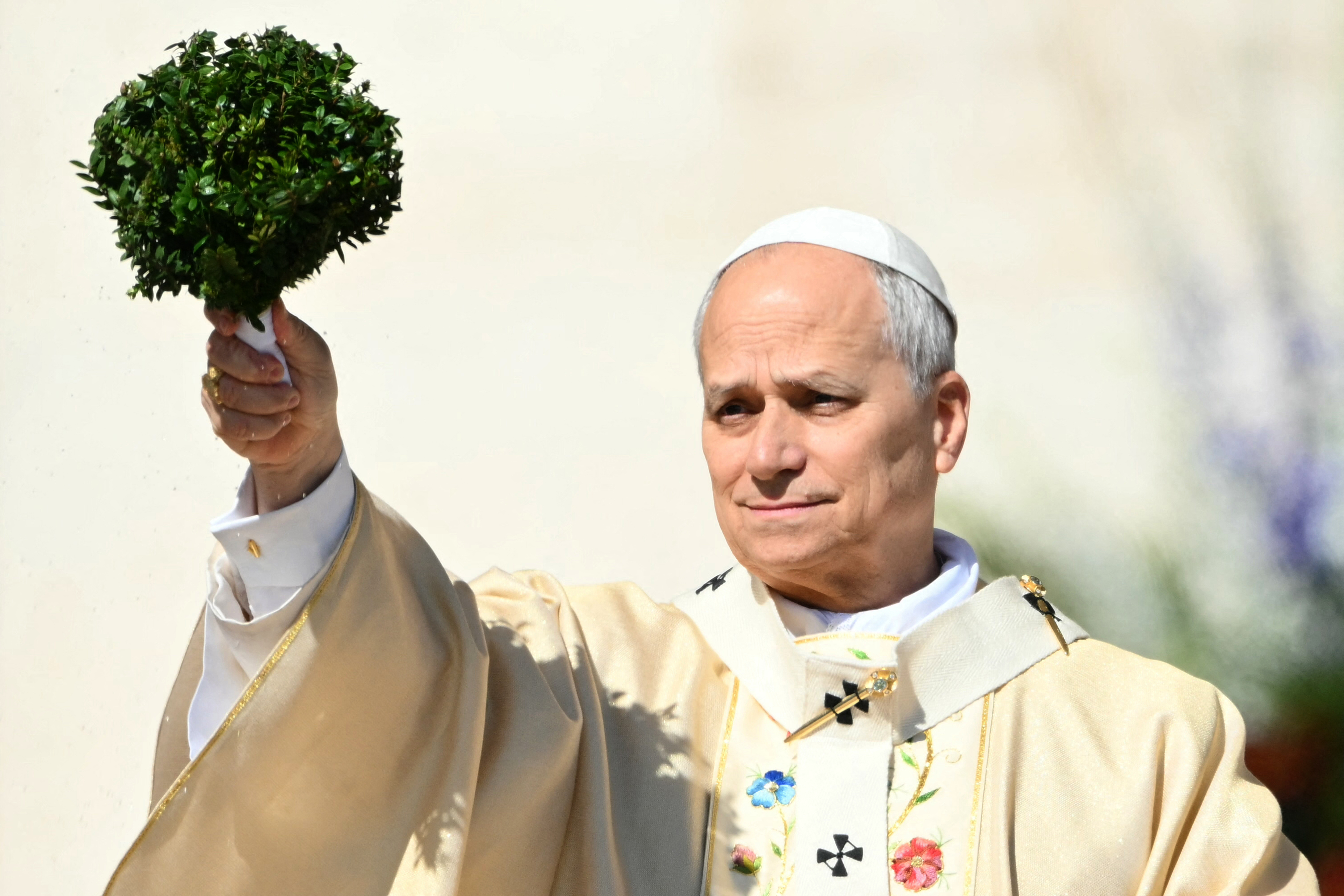
Pope Leo XIV Calls for AI Disarmament, Citing Anthropological Concerns
Translated from Romanian, summarized and contextualized by DistantNews.
At a glance
Analysis
Sources not specified
Context piece
- Pope Leo XIV's encyclical
Pope Leo XIV's first encyclical, "Magnifica Humanitas," addresses the profound impact of artificial intelligence on humanity. The Pope frames AI not just as a technological novelty but through an anthropological lens, questioning what it means to be human when decisions, memory, prediction, work, education, warfare, and even truth can be mediated by automated systems.
Who is man anymore when decision, memory, prediction, work, education, war, and even the image of truth can be mediated by automated systems?
The encyclical's strength lies in its shift in perspective: it first asks what AI does to humans before considering what it can do for them. It prioritizes human dignity over algorithmic performance and does not condemn technology but refuses to idolize it. The Church, according to the article, resists the tendency to confuse progress with acceleration, knowledge with data processing, and freedom with platform access.
The strength of the encyclical lies precisely in this change of perspective: Pope Leo XIV first asks what artificial intelligence does to man and only then what it can do for man.
"Magnifica Humanitas" is presented as an "algorithmic age" equivalent to the 19th-century "Rerum Novarum." While "Rerum Novarum" defended the worker against industrial capitalism, the new encyclical questions how to protect individuals from a digital order that promises efficiency but delivers control, knowledge but dissolves truth, and emancipation but concentrates power in the hands of those who control data, infrastructure, and code.
Technology must be received, but not adored. Used, but not absolutized. Developed, but subordinate to the common good.
The document is described not as a nostalgic rejection of modernity but as a doctrine of discernment. It advocates for technology to be received but not adored, used but not absolutized, and developed only when subordinate to the common good. Ultimately, Pope Leo XIV's text poses the central question of the century: Will humanity remain free, responsible, and solidary enough not to cede what cannot be delegated, consciousness, moral judgment, care for the vulnerable, and the search for truth?
Will man remain free, responsible, and solidary enough not to cede what cannot be delegated, namely conscience, moral judgment, care for the vulnerable, and the search for truth?
DistantNews Editorial
Originally published by Adevărul in Romanian. Translated, summarized, and contextualized by our editorial team with added local perspective. Read our editorial standards.
More Stories


From Our Blog

What Gets Lost (and Found) When News Is Translated

The Critical Role of Diaspora Media in Global News

What Travellers Should Know About Countries with Restricted Press

A Digital Nomad's Guide to Following Local News

How the Same Story Looks Different in Different Countries
