


Posco International Completes Indonesian Palm Business Amid Trading Company Evolution
Translated from Korean, summarized and contextualized by DistantNews.
At a glance
News
Official statement
New plan
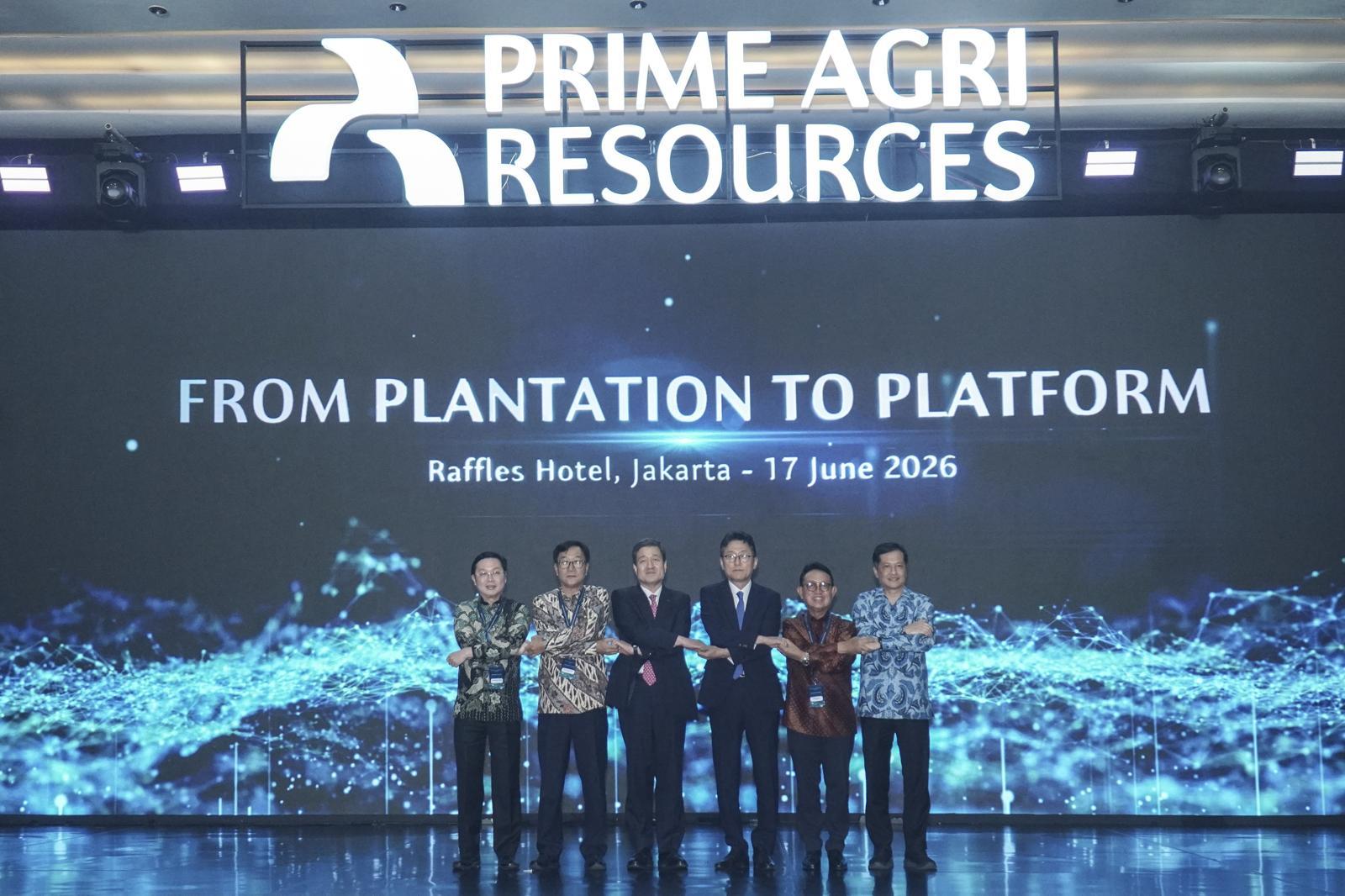
- Posco International has completed its palm oil business in Indonesia by holding a corporate image (CI) launch ceremony for its subsidiary PT. PAR.
- The company invested 1.3 trillion won to acquire palm farms and related businesses, integrating its palm oil portfolio.
- This move is part of a broader trend among trading companies to expand beyond traditional trading into direct production and energy sectors for higher profit margins and supply chain stability.
Posco International has solidified its presence in the Indonesian palm oil market, marking the completion of its palm business with a corporate image (CI) launch ceremony for its subsidiary PT. PAR in Jakarta. This event signifies the final step in the company's strategic integration of its palm oil operations in the region.
The company's commitment to this sector is underscored by a substantial investment of 1.3 trillion won, phased over the past year, to acquire local palm farms and related businesses. This includes operations in Sumatra and Kalimantan, a palm farm in Papua, and a joint venture with GS Caltex for palm oil refining. This comprehensive integration creates a robust palm oil business portfolio for Posco International in Indonesia.
This strategic expansion aligns with a wider shift among South Korean trading companies, often referred to as 'sangsa'. These firms are increasingly diversifying from their traditional intermediary trading roles into direct production, manufacturing, and energy businesses. The motivation behind this pivot is clear: new ventures offer higher profit margins compared to the typically low margins of trading, which hover around 1%. Furthermore, these integrated businesses provide greater stability and resilience against global supply chain disruptions, such as geopolitical conflicts like the war between the United States and Iran.
The palm oil sector, in particular, is attractive not only for its use in edible oils but also for its diverse applications. Posco International's move into this integrated palm business reflects a forward-looking strategy to secure stable revenue streams and enhance profitability in a dynamic global market.
DistantNews Editorial
Originally published by Dong-A Ilbo in Korean. Translated, summarized, and contextualized by our editorial team with added local perspective. Read our editorial standards.
More Stories


From Our Blog

What Gets Lost (and Found) When News Is Translated

The Critical Role of Diaspora Media in Global News

What Travellers Should Know About Countries with Restricted Press

A Digital Nomad's Guide to Following Local News

How the Same Story Looks Different in Different Countries
