


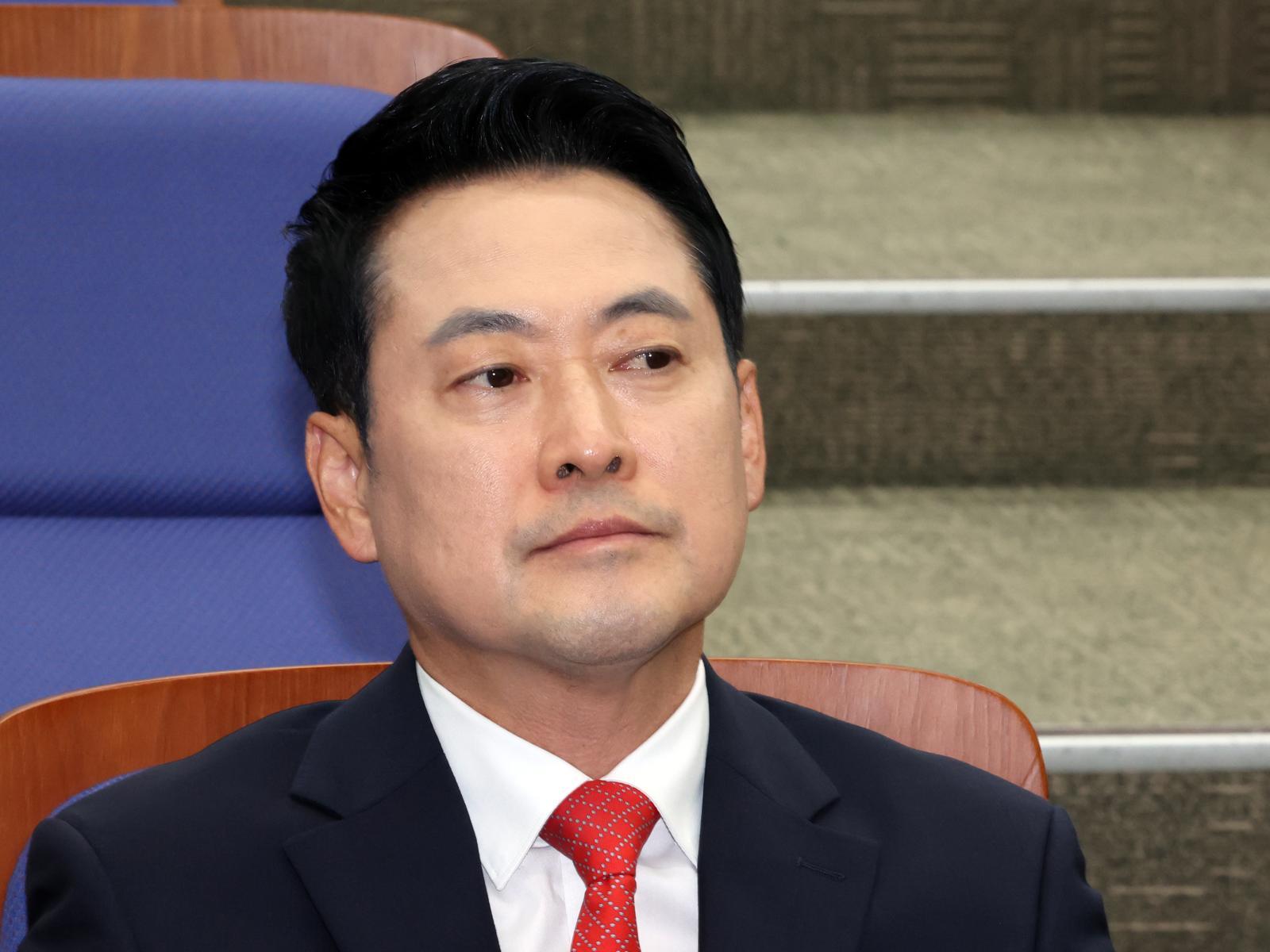
PPP Plans Election Petitions in 7 Regions; Calls for Jang Dong-hyuk's Resignation Include 'Petty' Remarks
Translated from Korean, summarized and contextualized by DistantNews.
At a glance
News
Sources not specified
Context piece
- South Korea's People Power Party (PPP) plans to file election petitions in seven regions where voting irregularities occurred, including issues with ballot shortages.
- The party is also facing internal pressure regarding the leadership of party leader Jang Dong-hyuk, with many members calling for his resignation.
- Representative Song Seok-jun publicly urged Jang to step down, stating that the election results indicate problems with Jang's leadership strategy.
South Korea's main conservative party, the People Power Party (PPP), has decided to pursue election petitions in seven provincial areas where significant issues arose during the recent local elections. The decision, reached during an emergency party meeting on June 17, focuses on regions that experienced problems such as ballot shortages and voting disruptions.
The seven areas targeted for petitions are Seoul, Gyeonggi, Incheon, Gwangju-Jeonnam, Ulsan, Busan, and Chungbuk. The party's interim floor leader, Choi Eun-seok, stated that the consensus among attendees was to "restrictively" file petitions in these specific locations. While the final decision rests with party leader Jang Dong-hyuk, he has reportedly agreed to respect the parliamentary members' opinions.
Beyond the election challenges, the PPP is grappling with internal dissent over Jang Dong-hyuk's leadership. Numerous lawmakers voiced concerns during the meeting about the party's direction and electoral performance, suggesting that the recent results were not a clear victory. Many believe Jang should take responsibility for the perceived shortcomings.
Representative Song Seok-jun was particularly vocal, publicly calling for Jang's resignation. Song argued that while Jang is a valuable party asset, the election outcomes demonstrate flaws in his leadership approach. He emphasized that in critical moments, leaders must step down to accept responsibility, warning that failure to do so would lead to Jang being labeled negatively, similar to past party leaders. The meeting later transitioned to a closed session after Song's public remarks.
DistantNews Editorial
Originally published by Dong-A Ilbo in Korean. Translated, summarized, and contextualized by our editorial team with added local perspective. Read our editorial standards.
More Stories


From Our Blog

What Gets Lost (and Found) When News Is Translated

The Critical Role of Diaspora Media in Global News

What Travellers Should Know About Countries with Restricted Press

A Digital Nomad's Guide to Following Local News

How the Same Story Looks Different in Different Countries
