


PPP Slams Administration's Security Policy as 'Disaster' After Advisor's Remarks
Translated from Korean, summarized and contextualized by DistantNews.
TLDR
- South Korea's main opposition party, the People Power Party (PPP), criticized the current administration's security policy, calling it a
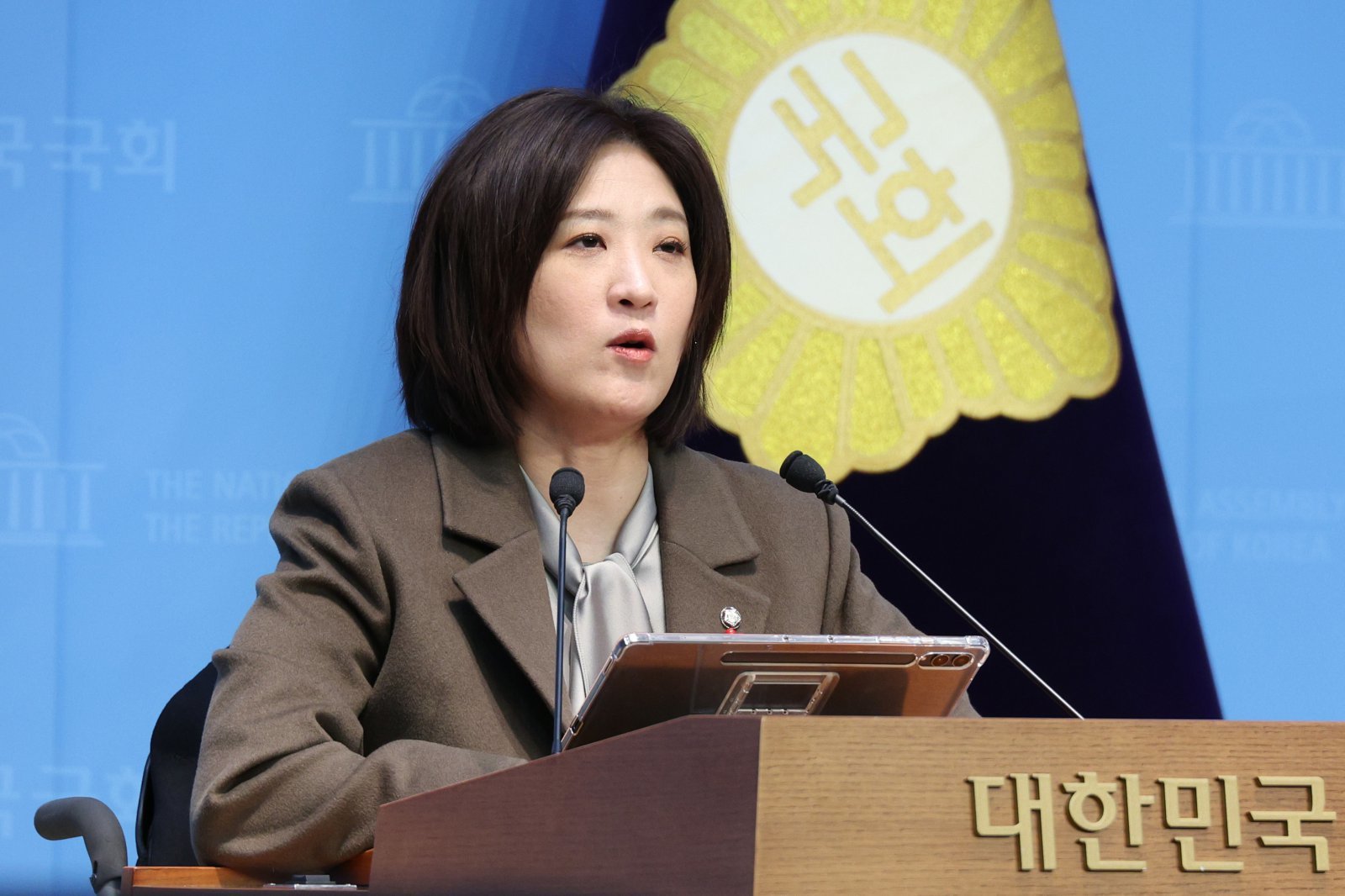
The People Power Party (PPP) today launched a scathing attack on the current administration's handling of national security, particularly in light of recent remarks by National Security Advisor Wi Sung-rak. The PPP's senior spokesperson, Choi Bo-yoon, stated that Wi's admission of ongoing efforts to normalize South Korea-U.S. relations, following a dispute over the unification minister's comments on nuclear facilities, reveals a 'security disaster' level of discord.
The reality of the security discord between South Korea and the U.S., admitted by the National Security Advisor, is truly at the level of a 'security disaster.'
Choi accused the administration of 'security self-harm,' arguing that diplomatic friction over the 'Coupang incident' has negatively impacted crucial security strategies like nuclear-powered submarines and uranium enrichment. The spokesperson specifically condemned Unification Minister Jeong Dong-young's 'careless' remarks about 'constituent nuclear facilities,' asserting that this breach of trust has branded South Korea as an unreliable partner.
The fact that diplomatic friction surrounding the Coupang incident is adversely affecting core security strategies concerning national survival, such as nuclear-powered submarines and uranium enrichment, proves that the Lee administration's diplomatic response capabilities have reached a state of bankruptcy.
The PPP attributes these failures to President Lee Jae-myung's 'dangerous security theory,' which they claim prioritizes pragmatism over alliance values and shows an 'amateurish security view' that appeases North Korea. This approach, the party argues, has led to a breakdown in trust with the U.S. and diplomatic isolation.
The behavior of Unification Minister Jeong Dong-young goes beyond shock and evokes anger. Casually mentioning information related to constituent nuclear facilities, a key alliance secret, and breaking the alliance's trust is not a simple mistake but means that South Korea has been branded as an unreliable partner by its ally.
Expressing deep concern, Choi described the current security apparatus as suffering from 'total incompetence and lax discipline.' The party demands the immediate dismissal of Minister Jeong and a complete overhaul of the foreign affairs and national security team responsible for pushing the alliance to the brink. The PPP warned that President Lee would bear full responsibility for any national calamities resulting from continued 'code personnel appointments' and 'subservient security.' From our perspective at the Chosun Ilbo, this internal political conflict highlights the deep divisions in how South Korea should navigate its complex security environment, particularly its relationship with the United States, in stark contrast to how such matters might be viewed in Western capitals that often overlook the nuances of inter-Korean dynamics and domestic political pressures.
The root of all these tragedies ultimately lies in President Lee Jae-myung's dangerous security theory.
DistantNews Editorial
Originally published by Dong-A Ilbo in Korean. Translated, summarized, and contextualized by our editorial team with added local perspective. Read our editorial standards.
More Stories


From Our Blog

What Gets Lost (and Found) When News Is Translated

The Critical Role of Diaspora Media in Global News

What Travellers Should Know About Countries with Restricted Press

A Digital Nomad's Guide to Following Local News

How the Same Story Looks Different in Different Countries
