

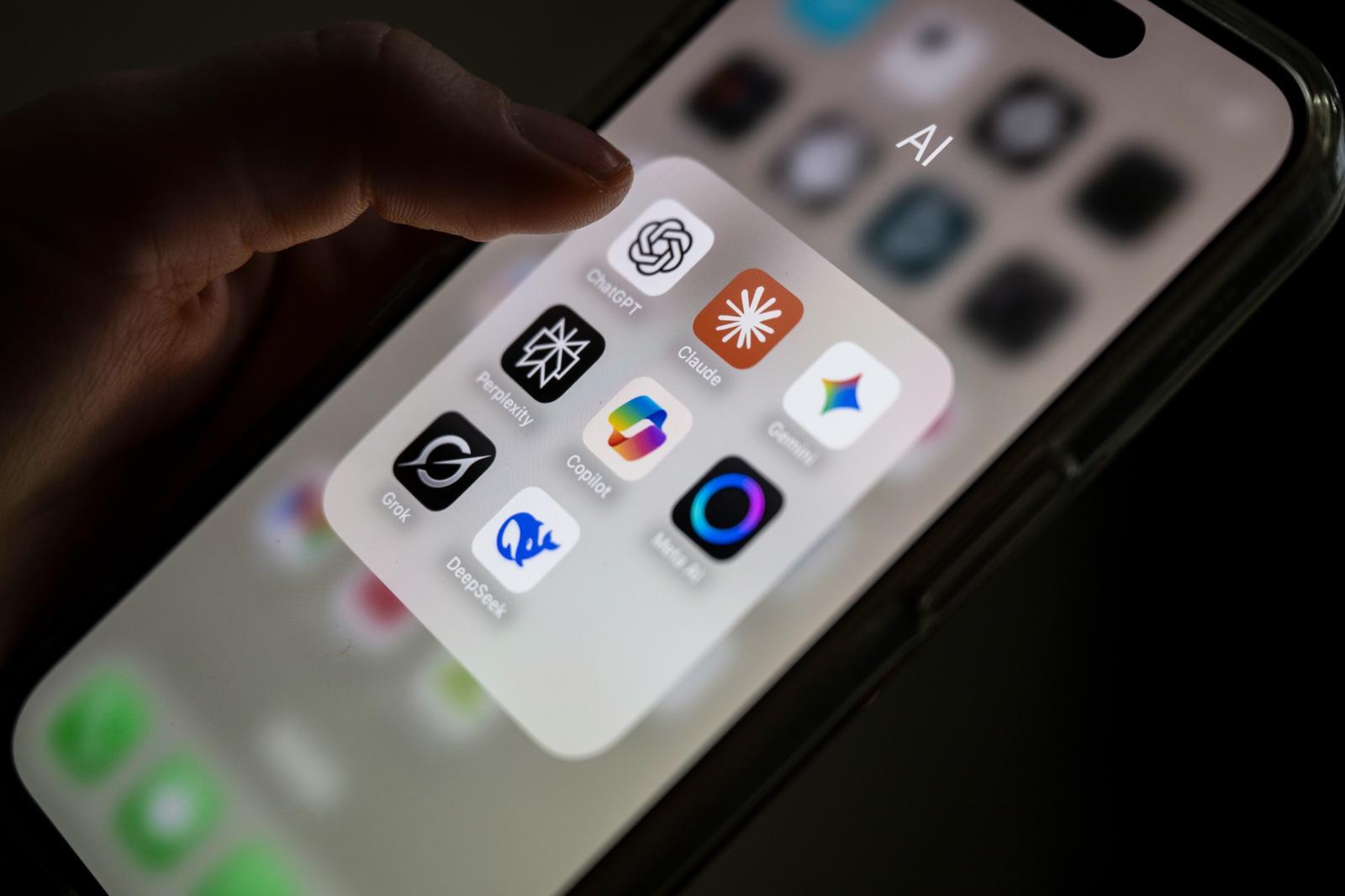

President Lee: AI-generated content labeling penalties suspended, leading to misuse
Translated from Korean, summarized and contextualized by DistantNews.
At a glance
News
Named sources
New plan
- President Lee Jae-myung called for strengthening regulations on AI-generated content, citing its increasing similarity to real footage.
- He expressed concern that failure to label AI content could lead to widespread misunderstanding and misuse, especially since penalties for violations are currently suspended.
- The discussion occurred during a report on science, technology, and personal information protection, highlighting the need to balance AI development with user protection and prevent the spread of disinformation.
President Lee Jae-myung emphasized the need to enhance the effectiveness of regulations requiring the labeling of AI-generated content, noting its growing resemblance to actual footage. He stated that the current suspension of penalties for violating these labeling requirements is being exploited, leading to concerns about the spread of disinformation.
Nowadays, AI-created content is so similar to real footage that it's difficult to distinguish. The performance has improved tremendously.
During a joint report from the Ministry of Science and ICT, the Korea Communications Standards Commission, and the Personal Information Protection Commission at the presidential office, President Lee observed, "Nowadays, AI-created content is so similar to real footage that it's difficult to distinguish. The performance has improved tremendously."
He further elaborated, "If this is not labeled as AI-generated, people will believe it's real and be severely misled. It's truly serious if this is misused." President Lee questioned whether labeling AI content would hinder the development of the AI industry, indicating a need to reconsider the penalty structure for violations.
If this is not labeled as AI-generated, people will believe it's real and be severely misled. It's truly serious if this is misused.
Kim Jong-cheol, Chairperson of the Korea Communications Standards Commission, responded by stating, "AI technology development and user protection must go hand in hand." He added, "Just as personal information protection has become an essential baseline cost, the prevention of AI misuse and industry development must proceed in parallel." The commission reported that while the 'AI Development and Trust Building Act' stipulates fines of up to 30 million won for violating AI-generated content labeling requirements, the imposition of these fines has been suspended for one year to allow for smoother implementation and preparation by businesses.
AI technology development and user protection must go hand in hand. Just as personal information protection has become an essential baseline cost, the prevention of AI misuse and industry development must proceed in parallel.
DistantNews Editorial
Originally published by Hankyoreh in Korean. Translated, summarized, and contextualized by our editorial team with added local perspective. Read our editorial standards.
More Stories


From Our Blog

What Gets Lost (and Found) When News Is Translated

The Critical Role of Diaspora Media in Global News

What Travellers Should Know About Countries with Restricted Press

A Digital Nomad's Guide to Following Local News

How the Same Story Looks Different in Different Countries
