


President Lee: Balanced national development is key to South Korea's survival
Translated from Korean, summarized and contextualized by DistantNews.
At a glance
News
Sources not specified
Context piece
- President Lee Jae-myung declared that balanced national development is essential for South Korea's survival, not a mere benefit.
- He highlighted that extreme regional imbalance causes overpopulation in Seoul and decline in other regions, reducing national efficiency and competitiveness.
- The government plans to foster regional growth through "mega-projects" and support for strategic industries, alongside improving living conditions in local areas.
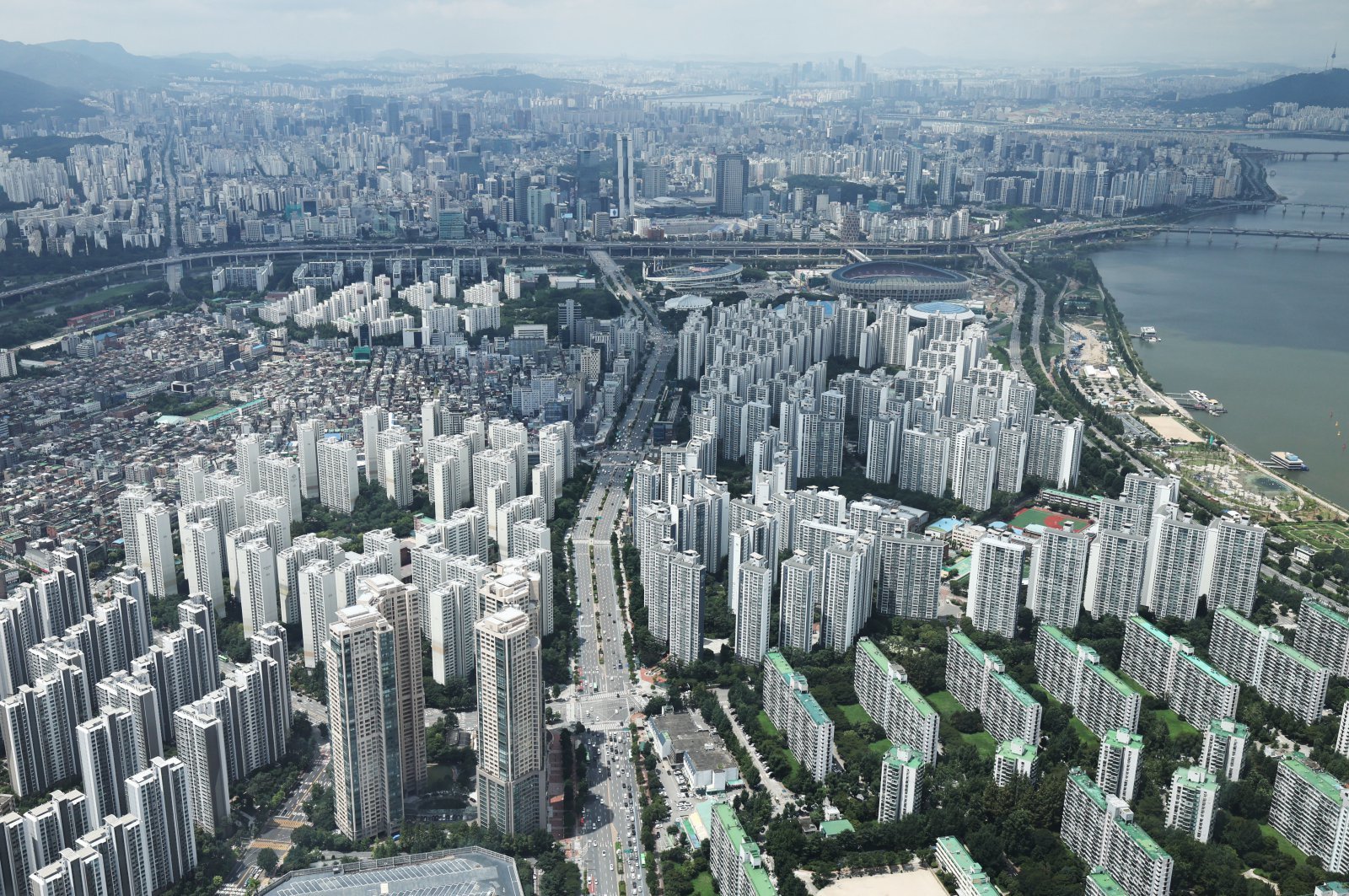
President Lee Jae-myung has asserted that balanced national development is a critical strategy for South Korea's survival and sustained growth, rather than a discretionary benefit. Addressing local leaders at the Central-Local Cooperation Council, he stated that the nation's most significant problems stem from extreme regional imbalance.
The starting point of virtually all major problems facing South Korea is extreme regional imbalance. Above all, a strong national balanced development policy must be pursued.
Lee described the current situation as a crisis of overpopulation and potential collapse in the Seoul metropolitan area, contrasted with the risk of extinction in provincial regions. This imbalance, he argued, diminishes overall national efficiency and erodes global competitiveness. "Balanced development is no longer an option or a handout; it is an essential strategy for South Korea's survival and sustainable growth," Lee declared.
The government's strategy involves promoting "mega-projects" to diversify high-growth industries across multiple regions. This "ultra-gap" strategy aims to lay the foundation for regional balanced development by fostering next-generation strategic industries and creating jobs. The plan also includes improving residential, educational, and welfare conditions to enhance the quality of life in these areas.
Balanced development is no longer an option or a handout; it is an essential strategy for South Korea's survival and sustainable growth.
During the meeting, central and local governments agreed to actively support regional growth. Key initiatives include redesigning national spatial planning around "5-hub, 3-special" zones, fostering business investment and regional economic blocs, providing comprehensive support for local living conditions, and redesigning preferential policies for local areas.
We will do our utmost to foster industries and jobs centered around the 5-hub, 3-special zones, and provide comprehensive support for improving residential, educational, and welfare conditions.
In related developments, President Lee held separate private dinners with leaders of major conglomerates, including Samsung Electronics Chairman Lee Jae-yong and SK Group Chairman Chey Tae-won. These meetings, which will reportedly include Hyundai Motor Group Chairman Chung Eui-sun, signal a concerted effort by the government and industry to accelerate investment and strengthen competitiveness in strategic sectors like semiconductors and AI. Discussions likely included Samsung's regional investment plans and potential support through the "mega-special zone" legislation.
Although there may be differences in party affiliation or political positions, we are all representatives entrusted by the people and public officials who must work for the better lives of the people and the future of this nation.
DistantNews Editorial
Originally published by Hankyoreh in Korean. Translated, summarized, and contextualized by our editorial team with added local perspective. Read our editorial standards.
More Stories


From Our Blog

What Gets Lost (and Found) When News Is Translated

The Critical Role of Diaspora Media in Global News

What Travellers Should Know About Countries with Restricted Press

A Digital Nomad's Guide to Following Local News

How the Same Story Looks Different in Different Countries
