

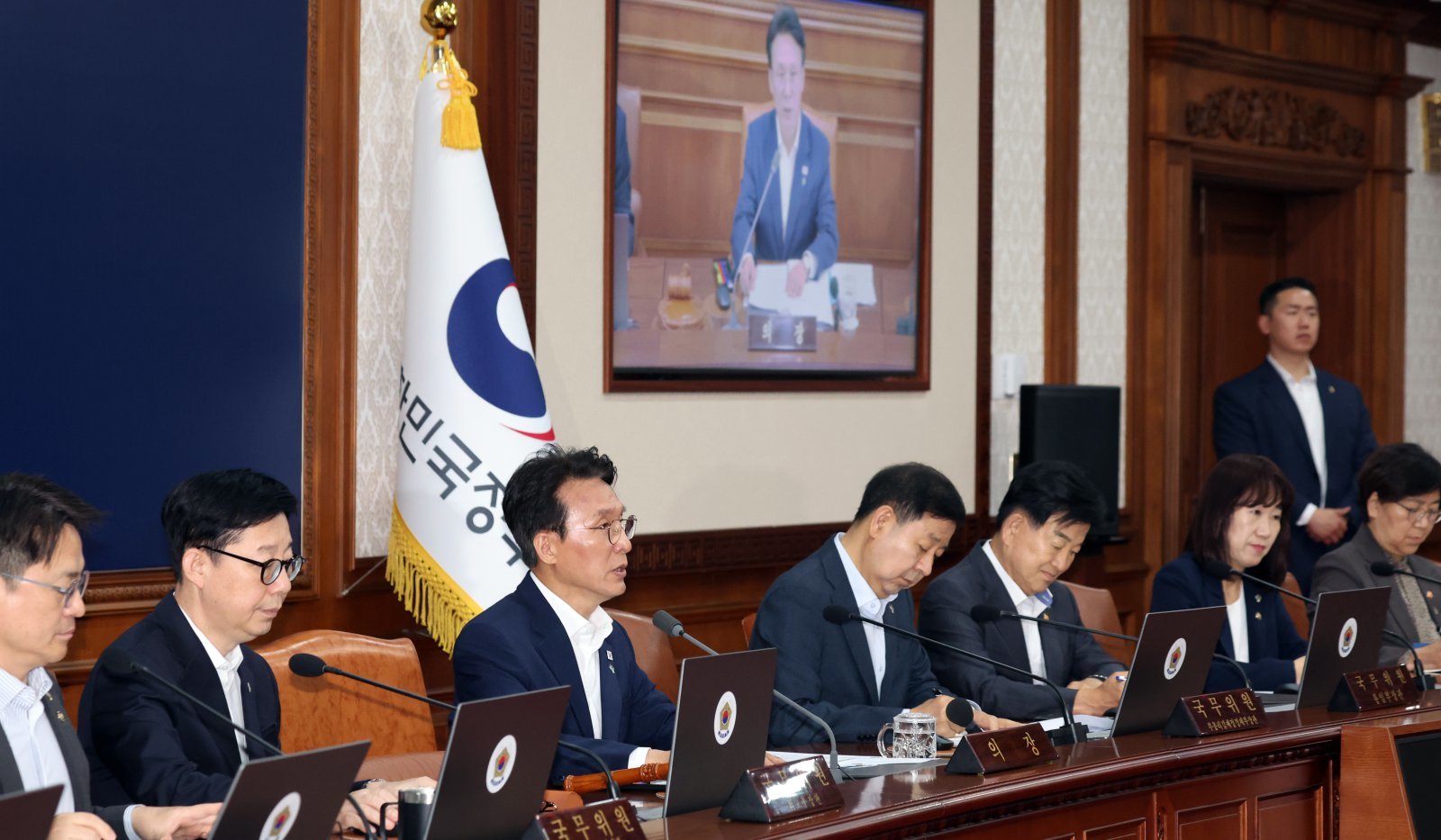

President Lee navigates party dynamics amid falling approval
Translated from Korean, summarized and contextualized by DistantNews.
At a glance
Analysis
Sources not specified
Context piece
- South Korean President Lee Jae-myung is navigating domestic political challenges following his European tour, particularly concerning party-leader dynamics and declining approval ratings.
- Lee acknowledges public frustration over internal party conflicts, stating that the primary concern for citizens is economic hardship, not political infighting.
- The article analyzes the complex relationship between the President and the ruling party, referencing historical precedents and the Democratic Party's charter regarding presidential involvement in party decisions.
South Korean President Lee Jae-myung is demonstrating a keen survival instinct as he addresses domestic political headwinds upon returning from his European tour. Following a significant electoral setback in the Seoul mayoral race, Lee publicly acknowledged the results as a "warning" from the public, adopting a more subdued stance.
The party-presidency relationship is one, yet also separate. Naturally, we can encourage each other and also point out flaws.
During his press conference, Lee addressed the perceived "party-presidency conflict," characterizing it as a natural process of encouragement and critique aimed at achieving better outcomes. He attributed the concurrent decline in his approval ratings not to internal party strife, but to public dissatisfaction with economic difficulties. "What matters is that people are struggling to make ends meet, and they question what these political squabbles have to do with their lives or the public duties we are entrusted with," Lee stated.
However, the article suggests that the simultaneous drop in both Lee's and the Democratic Party's approval ratings is intricately linked to the "Lee-Chung-rae conflict" and the emerging power struggle between party leader Chung Sye-kyun and Prime Minister Kim Chong-in. The author observes that President Lee appears to be actively checking Chung's influence while supporting Kim.
The biggest reason is, 'People are struggling to make ends meet, so why are you fighting over this? What does your fight have to do with our lives or the public duties we entrusted you with?'
Historically, the relationship between the South Korean president and the ruling party has varied, from presidents acting as de facto party leaders to a more separated approach. The Democratic Party's charter, Article 13, grants the president the authority to participate in party-policy decisions, a provision the article suggests Lee might leverage more overtly in his dealings with party leadership.
The party-presidency relationship is one, yet also separate. Naturally, we can encourage each other and also point out flaws.
DistantNews Editorial
Originally published by Hankyoreh in Korean. Translated, summarized, and contextualized by our editorial team with added local perspective. Read our editorial standards.
More Stories


From Our Blog

What Gets Lost (and Found) When News Is Translated

The Critical Role of Diaspora Media in Global News

What Travellers Should Know About Countries with Restricted Press

A Digital Nomad's Guide to Following Local News

How the Same Story Looks Different in Different Countries
