


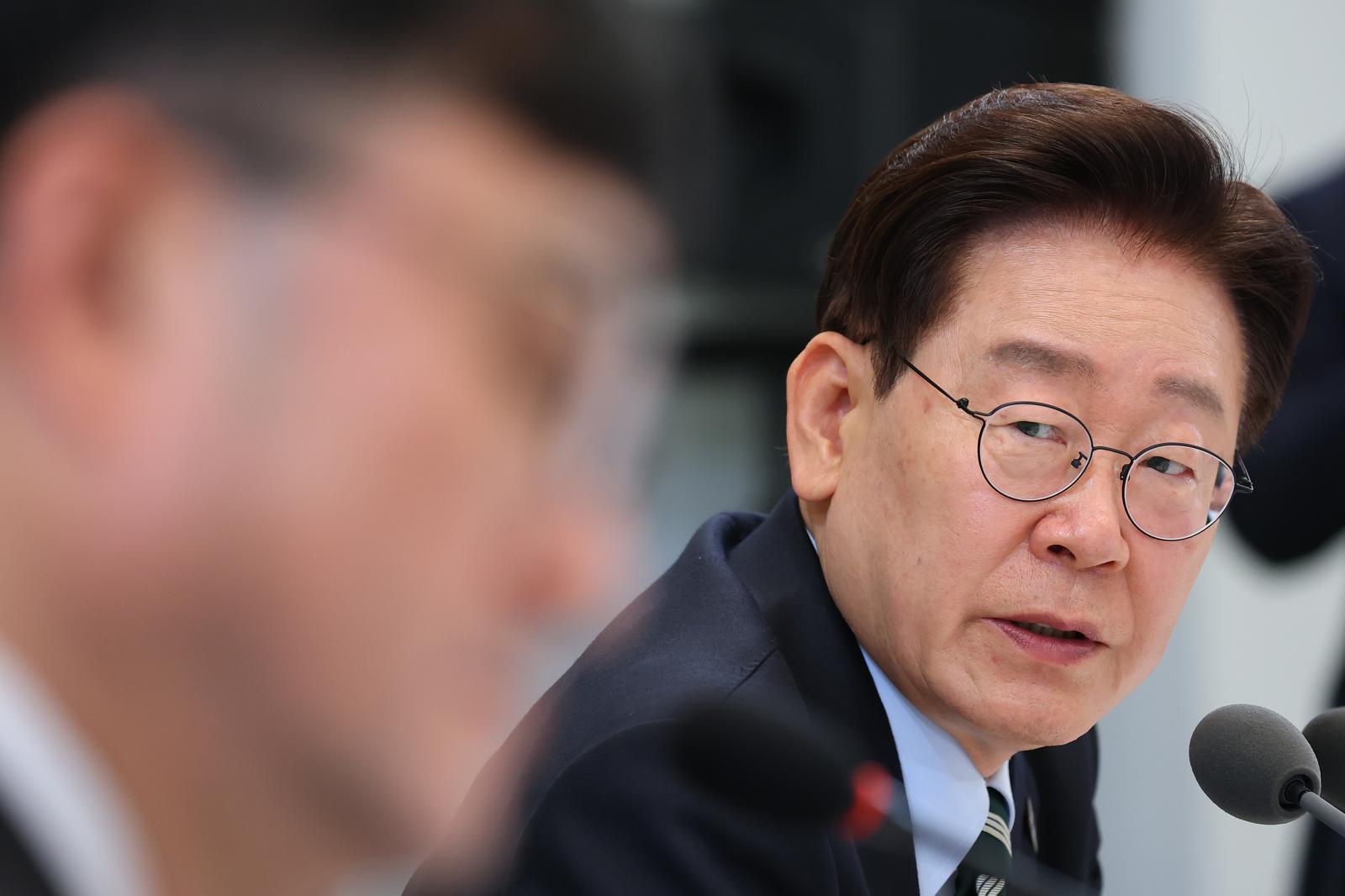
President Lee Refutes Party Interference Claims, Cites Legal Definitions
Translated from Korean, summarized and contextualized by DistantNews.
At a glance
News
Sources not specified
Context piece
- President Lee Jae-myung refuted claims of interfering in party affairs, stating his opinions on candidate preferences are not illegal.
- He argued that legal definitions of party interference involve violating election laws regarding nominations or primaries.
- The president's remarks are seen as a response to criticism from commentator Yoo Si-min regarding his alleged involvement in internal party elections.
President Lee Jae-myung has directly challenged accusations of interfering in party matters, asserting that expressing personal opinions about preferred candidates does not constitute a violation of the law. He clarified that the legal definition of party interference specifically pertains to actions that contravene election laws, such as influencing nominations or primary contests.
In a statement on X, formerly Twitter, President Lee emphasized the distinction between illegal interference and the exercise of ordinary party member rights. He stated, "What the law prohibits as party interference is intervening in public election nominations or primaries in violation of laws such as the Public Official Election Act." He further drew a parallel to former President Park Geun-hye's case, noting that her issues stemmed from intervening in candidate nominations, not from offering opinions on routine party affairs.
What the law prohibits as party interference is intervening in public election nominations or primaries in violation of laws such as the Public Official Election Act.
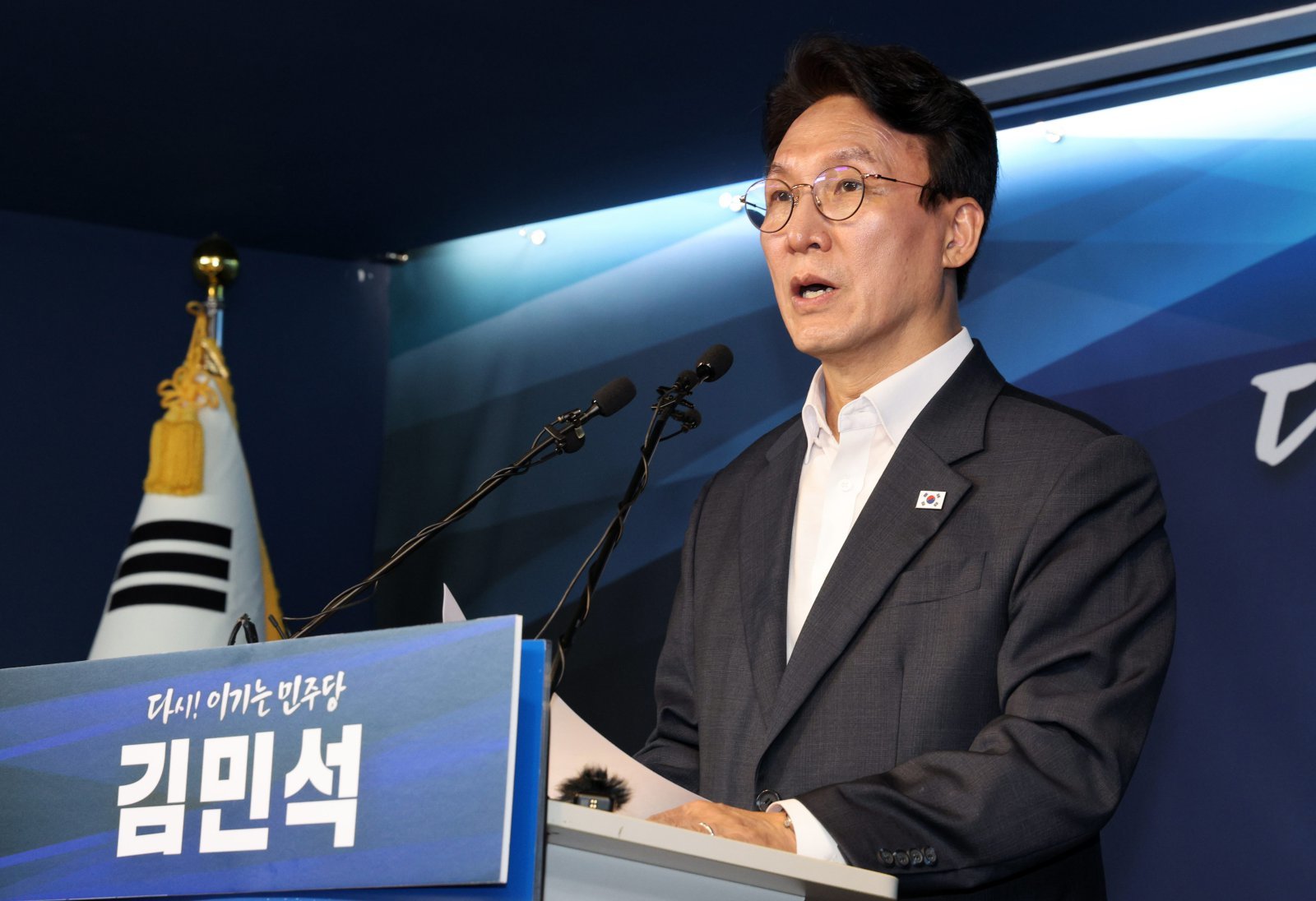
These comments are widely interpreted as a response to recent criticism from commentator Yoo Si-min. Yoo had suggested that President Lee was excessively involved in internal party elections, citing his perceived support for a specific candidate, Kim Min-seok. President Lee's firm rebuttal aims to draw a clear line, differentiating between legitimate political expression and unlawful intervention in party processes.
The case of former President Park Geun-hye became an issue because she intervened in the nomination of public election candidates, not because she offered opinions on routine party affairs.
DistantNews Editorial
Originally published by Dong-A Ilbo in Korean. Translated, summarized, and contextualized by our editorial team with added local perspective. Read our editorial standards.
More Stories

From Our Blog

What Gets Lost (and Found) When News Is Translated

The Critical Role of Diaspora Media in Global News

What Travellers Should Know About Countries with Restricted Press

A Digital Nomad's Guide to Following Local News

How the Same Story Looks Different in Different Countries
