

President Lee's 'Face' Diminished as Party's Election Victory Falls Short
Translated from Korean, summarized and contextualized by DistantNews.
At a glance
Analysis
Sources not specified
Context piece
- South Korean President Lee Jae-myung's party faced a less dominant victory than expected in recent local elections, with some key candidates losing despite presidential backing.
- The article attributes the underwhelming results partly to the ruling party's controversial "prosecution nullification special bill" and concerns over the president's legal issues.
- The author criticizes the president's communication style and the party's inability to openly address the election's shortcomings, suggesting a disconnect between the president's actions and public sentiment.
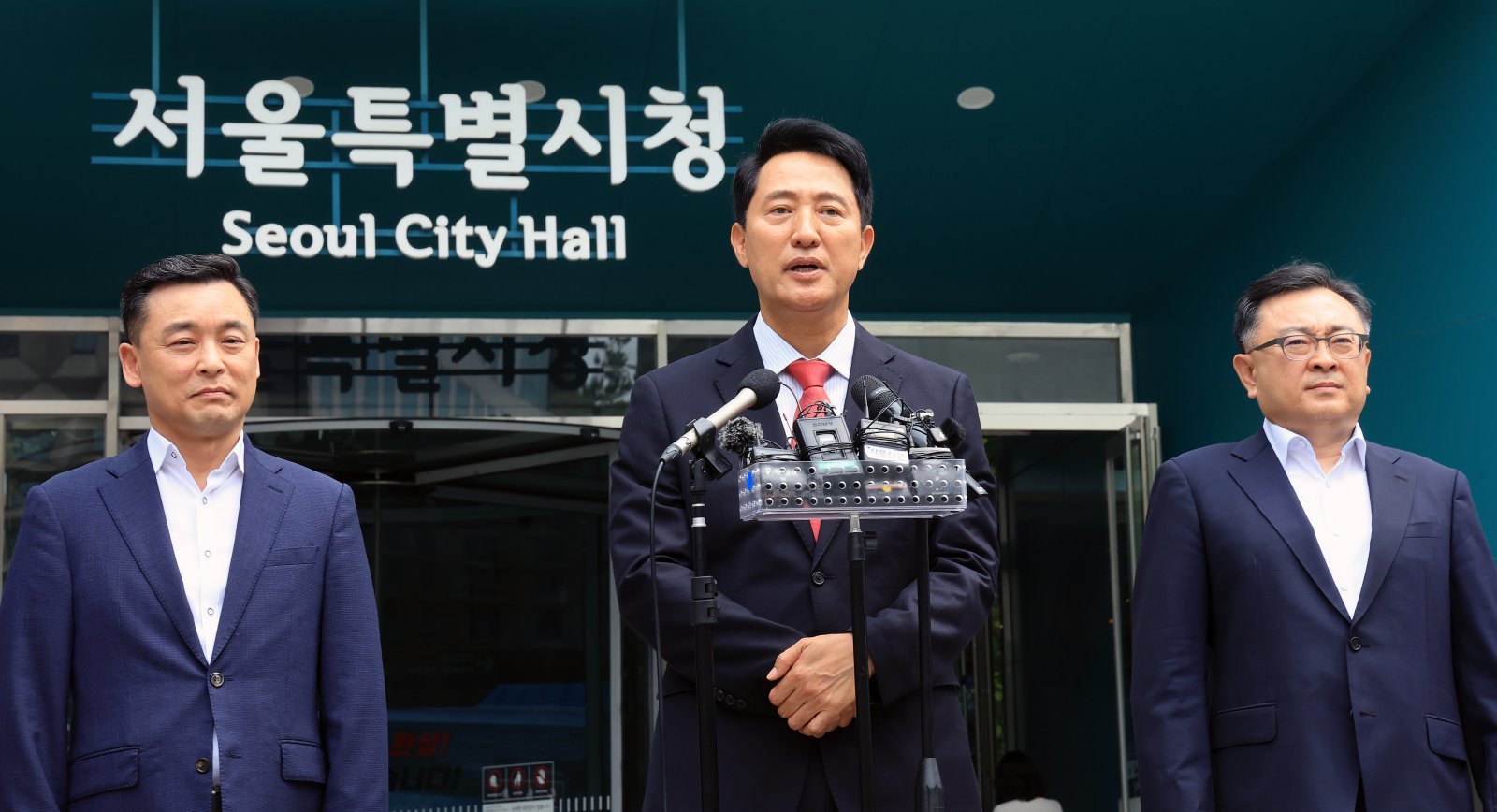
The recent local elections delivered a victory for President Lee Jae-myung's party, but it was far from the decisive win many had anticipated. While the party secured a majority of seats, the results fell short of earlier projections, with several high-profile candidates endorsed by the president failing to secure victory. This outcome has led to a questioning of the president's electoral influence and has been framed as a blow to his political standing, with the article suggesting his "face" or prestige has been diminished.
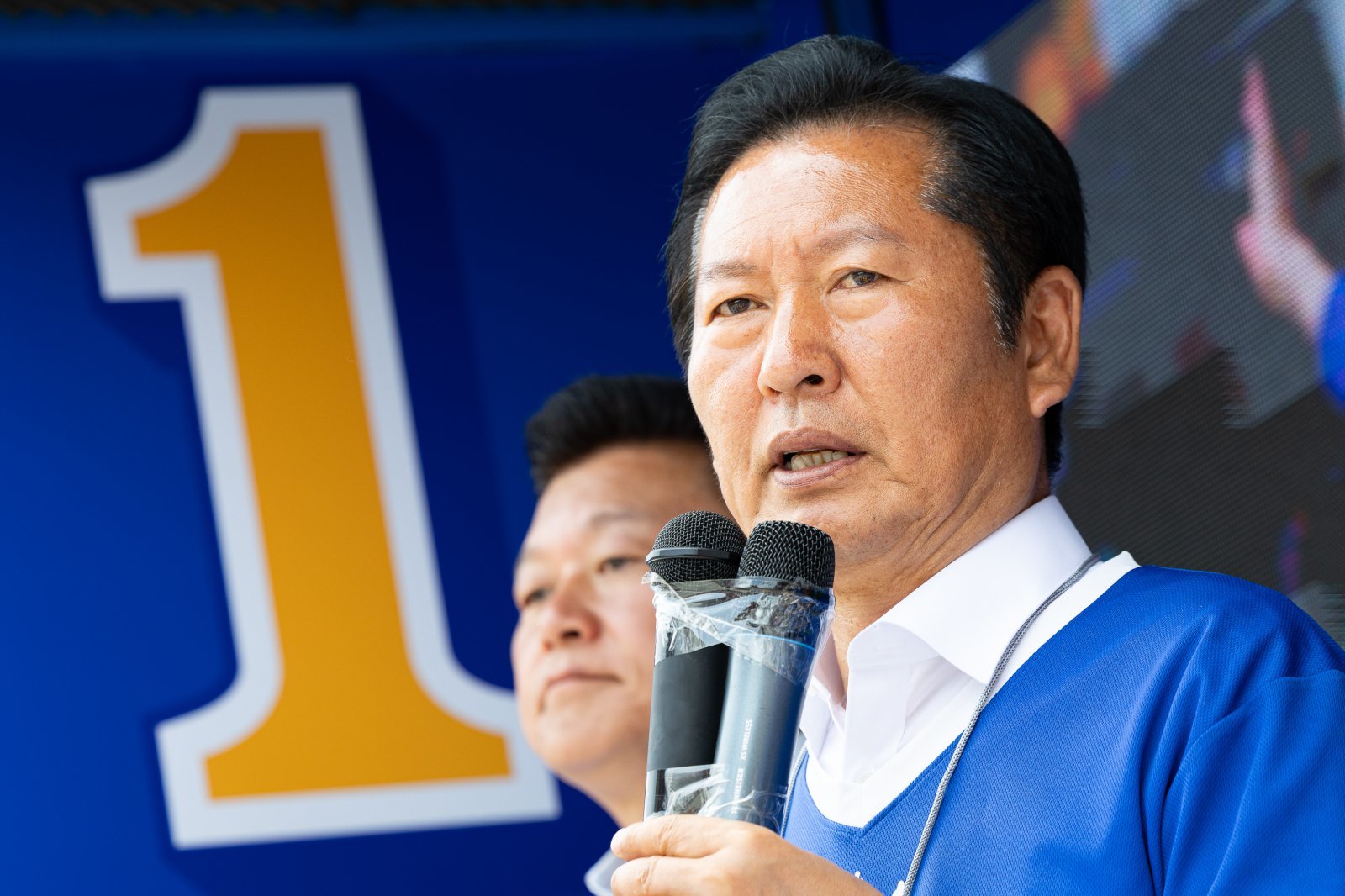
If President Lee Jae-myung is doing well, it's candidate number 1! We must emphasize that this is the President's election.
Internal party explanations for the less-than-stellar performance have varied. Some leaders have attributed the results to demographic and political structures, particularly in the Seoul and Yeongnam regions, attempting to deflect blame from the president's leadership. However, public opinion polls showed a decline in the president's approval rating in the weeks leading up to the election, raising questions about the effectiveness of his administration's policies and public engagement.
A significant factor cited for the shift in public sentiment appears to be the ruling party's push for a "prosecution nullification special bill." This controversial legislation, aimed at nullifying certain prosecutorial powers, drew public criticism and was linked to growing concerns about the president's own legal entanglements. The article suggests that the president's focus on this bill, even after public opinion soured, mirrored past instances of perceived stubbornness on policy matters.
The election was a contest based on President Lee's achievements.
The author also criticizes the president's communication strategy, particularly his use of social media for aggressive messaging, which may have alienated voters. The article points to a rise in public concern regarding "moral issues/avoidance of personal trial" as a key reason for the president's declining approval. The failure of endorsed candidates to directly address the controversial bill during debates further fueled perceptions of evasion, ultimately impacting their electoral prospects and, by extension, the president's image.
The election was held with President Lee's face.
Following the election, President Lee Jae-myung acknowledged the results and pledged to cooperate with newly elected officials. However, the article concludes by questioning the president's approach, particularly his use of strong rhetoric that divides people into "good" and "evil" based on their agreement with him. This polarizing style, the author implies, may be detrimental to his presidency and his party's long-term political strategy.
It is better and safer to do it on the CBSE portal so that we have complete control.
DistantNews Editorial
Originally published by Dong-A Ilbo in Korean. Translated, summarized, and contextualized by our editorial team with added local perspective. Read our editorial standards.
More Stories


From Our Blog

What Gets Lost (and Found) When News Is Translated

The Critical Role of Diaspora Media in Global News

What Travellers Should Know About Countries with Restricted Press

A Digital Nomad's Guide to Following Local News

How the Same Story Looks Different in Different Countries
