


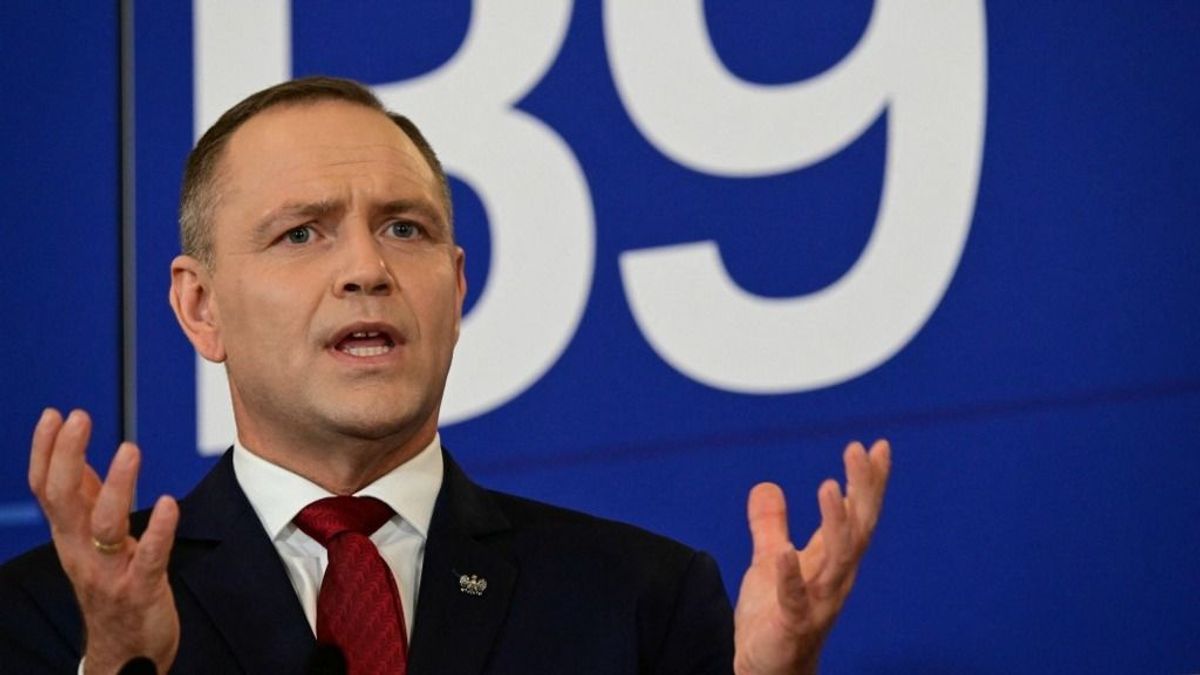
President Nawrocki Vetoes Tusk's LGBTQ+ Aspirations
Translated from Hungarian, summarized and contextualized by DistantNews.
At a glance
News
Sources not specified
Outcome reported
- Poland's parliament passed a government-backed bill allowing same-sex couples to sign notarized contracts, granting them rights previously exclusive to married couples.
- The bill aims to introduce civil partnerships, but conservative figures, including President Karol Nawrocki, view it as a precursor to same-sex marriage, which is unconstitutional in Poland.
- President Nawrocki vetoed the bill, stating it creates an alternative form of marriage and undermines the constitution, a veto the ruling coalition cannot override.
Poland's parliament has approved a government-sponsored bill that would allow same-sex couples to enter into notarized contracts, granting them a range of rights previously reserved for married couples. These rights include joint property and tax arrangements, access to a partner's health information, exemptions from inheritance and gift taxes, and the right to decide on a partner's funeral arrangements.
While the bill introduces civil partnerships, it faces strong opposition from conservative factions. Poland's constitution defines marriage exclusively as a union between a man and a woman, precluding same-sex marriage. President Karol Nawrocki, aligned with the conservative Law and Justice (PiS) party, has interpreted the civil partnership bill as a step towards legalizing same-sex marriage.
creates an alternative form of marriage and undermines the Polish constitution
The legislation emerged from lengthy compromises within Prime Minister Donald Tusk's center-left coalition. The Left Party (Lewica), a proponent of same-sex marriage, had to negotiate with the center-right Polish People's Party (PSL), which harbors reservations about LGBTQ+ rights. Lewica has openly stated the bill is merely a preliminary step toward achieving same-sex marriage in the future.
President Nawrocki ultimately vetoed the bill, declaring he would not sign legislation that "creates an alternative form of marriage and undermines the Polish constitution." He added that he might sign laws that facilitate administrative operations for people in close relationships without ideological pressure or undermining marriage's unique status, though he did not specify what such legislation would entail. The ruling majority lacks the supermajority needed to override the presidential veto, effectively blocking the bill.
if we find solutions that help the official and administrative functioning of people in close relative status without exerting ideological pressure or attempting to undermine the unique status of marriage, then I will sign such a law
DistantNews Editorial
Originally published by Magyar Nemzet in Hungarian. Translated, summarized, and contextualized by our editorial team with added local perspective. Read our editorial standards.
More Stories



From Our Blog

Countries Without a Free Press: What You Need to Know

What Press Freedom Means for the News You Read

What Gets Lost (and Found) When News Is Translated

The Critical Role of Diaspora Media in Global News

What Travellers Should Know About Countries with Restricted Press
