


President of Costa Rica will not attend OAS meeting in Panama amid agricultural trade tensions
Translated from Spanish and summarized by DistantNews. Read the original for the full story.
At a glance
News
Named sources
Context piece
- Costa Rican President Laura Fernández will not attend the upcoming Organization of American States (OAS) meeting in Panama.
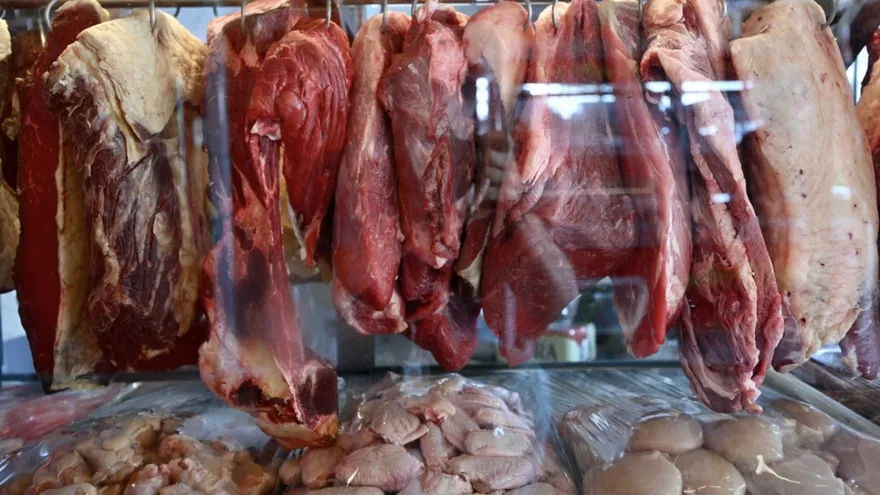
- She cited the need to focus on resolving a trade dispute with Panama over agricultural products, including potatoes, onions, and dairy.
- Fernández criticized what she called unjustified trade restrictions and stated she would not allow blockades lacking legal basis.
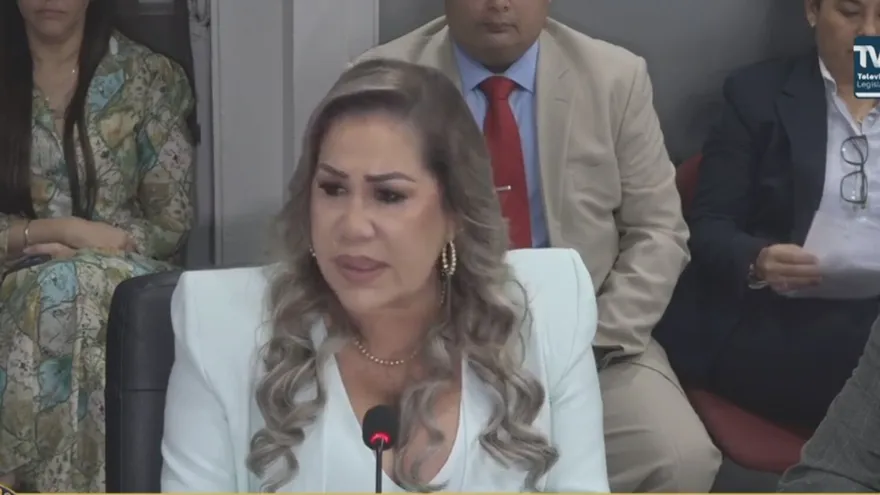
President Laura Fernández has made a decisive move, announcing her absence from the upcoming Organization of American States (OAS) meeting in Panama. This decision underscores the gravity of the ongoing trade dispute between Costa Rica and Panama, a conflict that President Fernández insists requires her full attention on home soil. Instead of engaging in regional diplomacy at the OAS, she will concentrate her efforts on resolving the commercial differences that have strained relations between the two nations.
Fernández has been a vocal critic of what she perceives as unjustified trade restrictions imposed by Panama, particularly affecting Costa Rican producers of vital agricultural goods such as potatoes, onions, and dairy. During her weekly press conference, she declared, "I am not going to allow blockades that have no legal basis." This firm stance signals her commitment to defending the interests of Costa Rican farmers and ensuring fair access to Panamanian markets.
I am not going to go to the OAS meeting in Panama.
The President has delegated the task of spearheading bilateral discussions to her Foreign Minister, Manuel Tovar, with the aim of establishing a working group to find concrete solutions. This move reflects a strategic shift, moving the dispute beyond technical conversations to a higher diplomatic level. The controversy, which has simmered for some time, involves reciprocal restrictions and has generated tension among producers, authorities, and industry groups on both sides of the border.
Panama, in response to Fernández's earlier statements, has rejected the characterization of the conflict as a unilateral action. Their government maintains that the trade issues are the result of accumulated processes over years and points to similar restrictions faced by Panamanian producers from Costa Rica. Panama asserts its right to protect public health, food security, and its national productive sector. As the situation evolves, the focus remains on whether diplomatic channels can effectively de-escalate the tensions and lead to a mutually agreeable resolution, a prospect that currently appears challenging.
I am not going to allow blockades that have no legal basis.
About this summary
Originally published by TVN Panamá in Spanish. Translated, summarized, and contextualized automatically by DistantNews, with a note on how the source frames the story. Not individually reviewed before publishing. How this works.
More Stories

From Our Blog

News in Translation: What Gets Lost, and How We Keep the Framing

Diaspora Media: How Communities Abroad Follow Home

Traveling Where the Press Is Not Free: How to Read the News There

The Digital Nomad's Guide to Local News

The Same Story, Different Countries: How Coverage Changes at the Border
