


Presidential Aide's 'National Dividend' Idea Sparks Market Turmoil in South Korea
Translated from Korean and summarized by DistantNews. Read the original for the full story.
At a glance
News
Named sources
Context piece
- A presidential aide's suggestion of a "national dividend" from corporate excess profits caused a significant stock market drop.
- The aide proposed returning some of the profits generated by AI advancements to the public.
- The Blue House and ruling party quickly clarified that the comments were personal and not official policy, aiming to quell market fears.
A controversial suggestion by a senior presidential aide regarding the distribution of corporate excess profits has sent shockwaves through South Korea's financial markets and political landscape. Kim Yong-beom, the Presidential Chief of Staff for Policy, ignited a firestorm with his social media post proposing a "national dividend" to be paid to the public from the excess profits companies are expected to earn in the age of artificial intelligence.
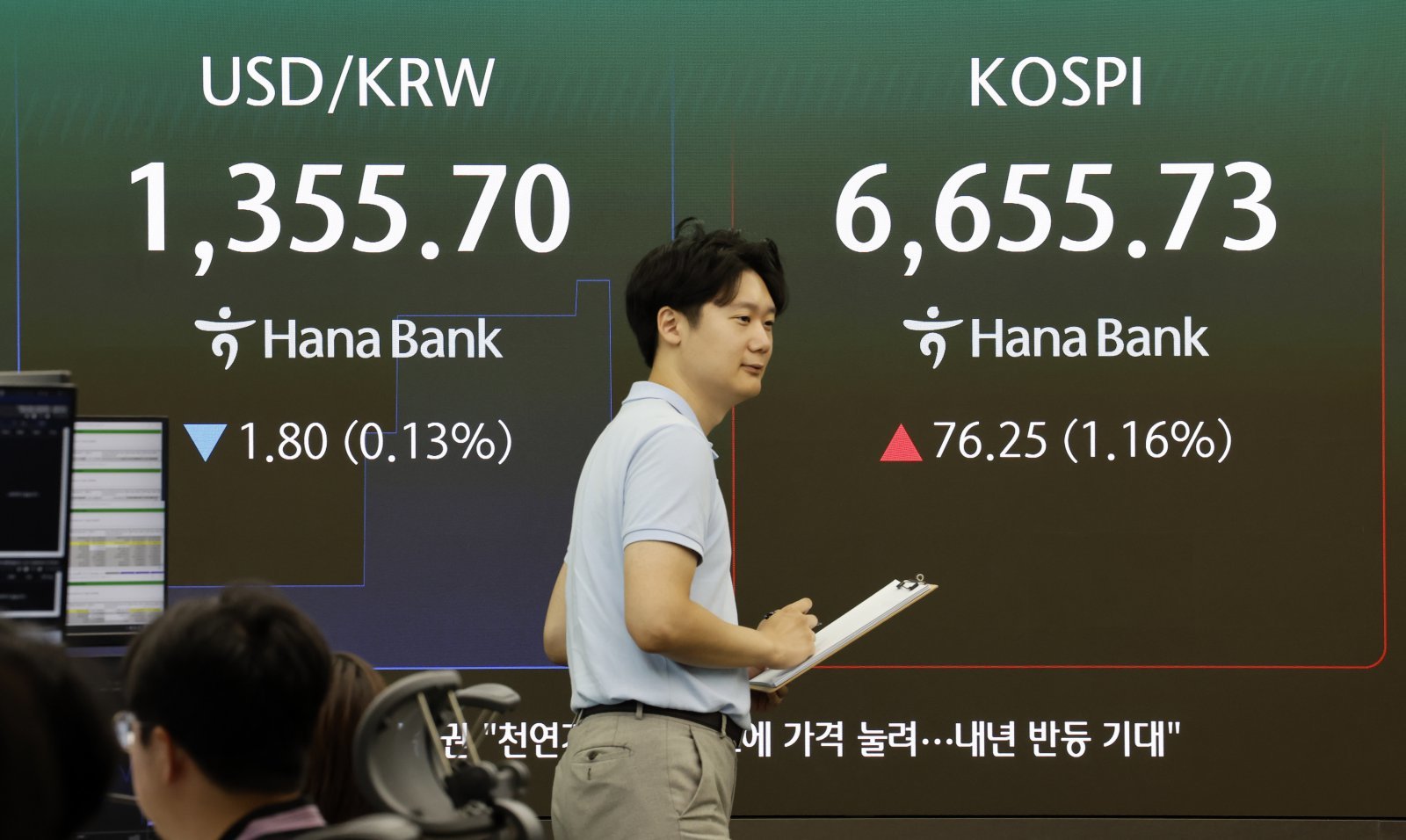
Kim's post, which suggested that South Korea could become a nation of sustained excess profits due to long-term structural changes driven by AI demand, argued that the benefits of this AI infrastructure boom should be shared structurally with the entire nation. This idea, floated under the premise of excess tax revenue, was interpreted by investors as a potential move towards additional taxation or intervention in corporate profit distribution, leading to a sharp sell-off in the stock market. The Korea Composite Stock Price Index (KOSPI) plummeted by over 5% in intraday trading, with Bloomberg News citing Kim's remarks as a contributing factor.
In response to the market turmoil and criticism from the opposition, which decried the idea as "appalling anti-market sentiment" and "populist distribution planning," the Blue House and the ruling party moved swiftly to douse the flames. They emphasized that Kim's comments were his personal opinion and not reflective of internal discussions or any intention to interfere with corporate management or dividend policies. Kim himself later clarified that his intention was not to impose a windfall tax but to utilize excess tax revenues generated from the AI boom.
This incident highlights a critical juncture for South Korea's economy, particularly its semiconductor industry, which is currently experiencing record profits. While the government aims to position the nation as a leader in AI, the debate over profit distribution versus reinvestment for future growth is intensifying. The editorial board of Dong-A Ilbo argues that now is the time to focus on securing corporate investment and expanding national infrastructure like data centers and power grids, rather than engaging in premature distribution discussions. Furthermore, Kim's ill-timed remarks could exacerbate existing conflicts over performance-based bonuses within companies, underscoring the need for clearer communication and more sensitive policy discussions from presidential aides.
About this summary
Originally published by Dong-A Ilbo in Korean. Translated, summarized, and contextualized automatically by DistantNews, with a note on how the source frames the story. Not individually reviewed before publishing. How this works.
More Stories


From Our Blog

News in Translation: What Gets Lost, and How We Keep the Framing

Diaspora Media: How Communities Abroad Follow Home

Traveling Where the Press Is Not Free: How to Read the News There

The Digital Nomad's Guide to Local News

The Same Story, Different Countries: How Coverage Changes at the Border
