

Presidential elections in Antioquia: Security presence and MOE alerts
Translated from Spanish, summarized and contextualized by DistantNews.
At a glance
News
Sources not specified
Ongoing story
- Antioquia is holding its presidential election with a significant security presence and observer monitoring.
- Authorities reported six arrests, while election observers noted 19 irregularities at polling stations.
- Security forces deployed approximately 19,000 personnel across the department.
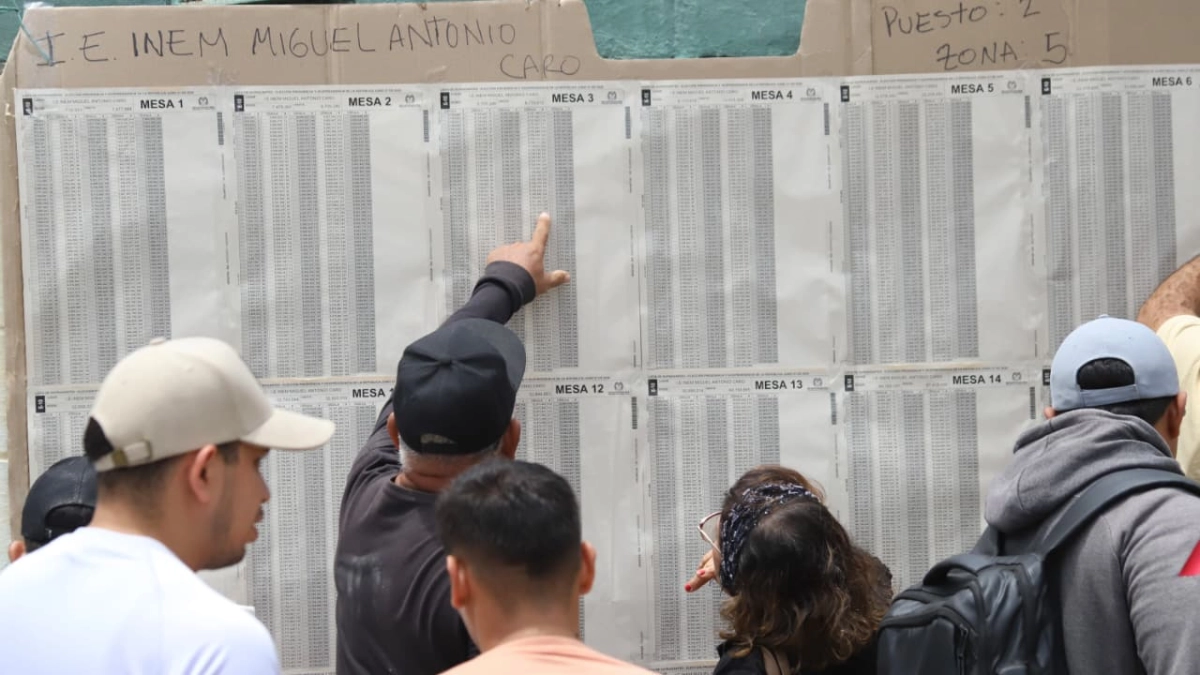
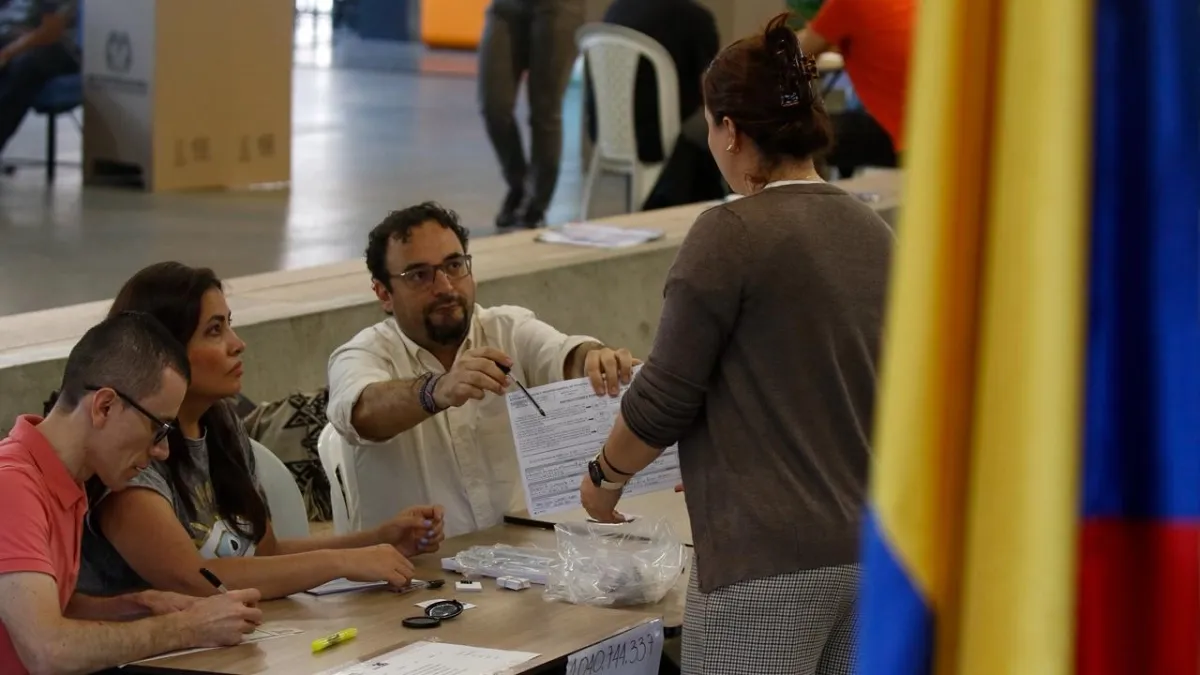
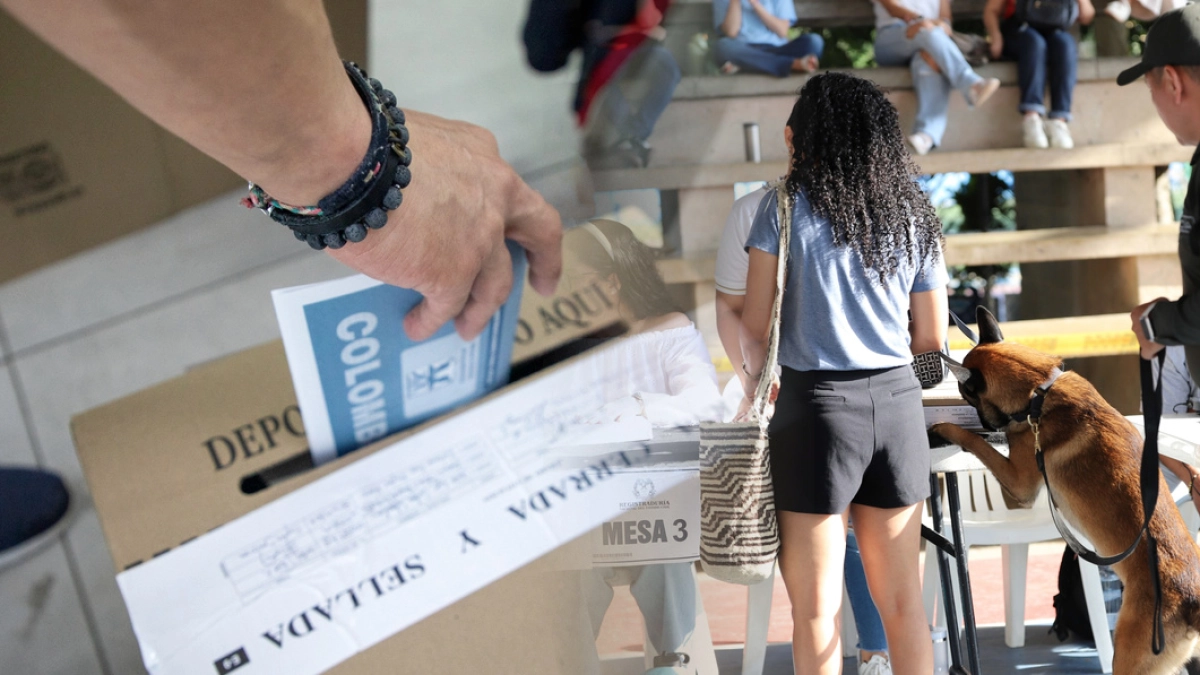
Antioquia is experiencing an intense presidential election day, marked by a massive security deployment and close scrutiny from observers. The region has a total of 5,448,240 eligible voters, with 15,801 voting tables set up in 1,280 polling stations.
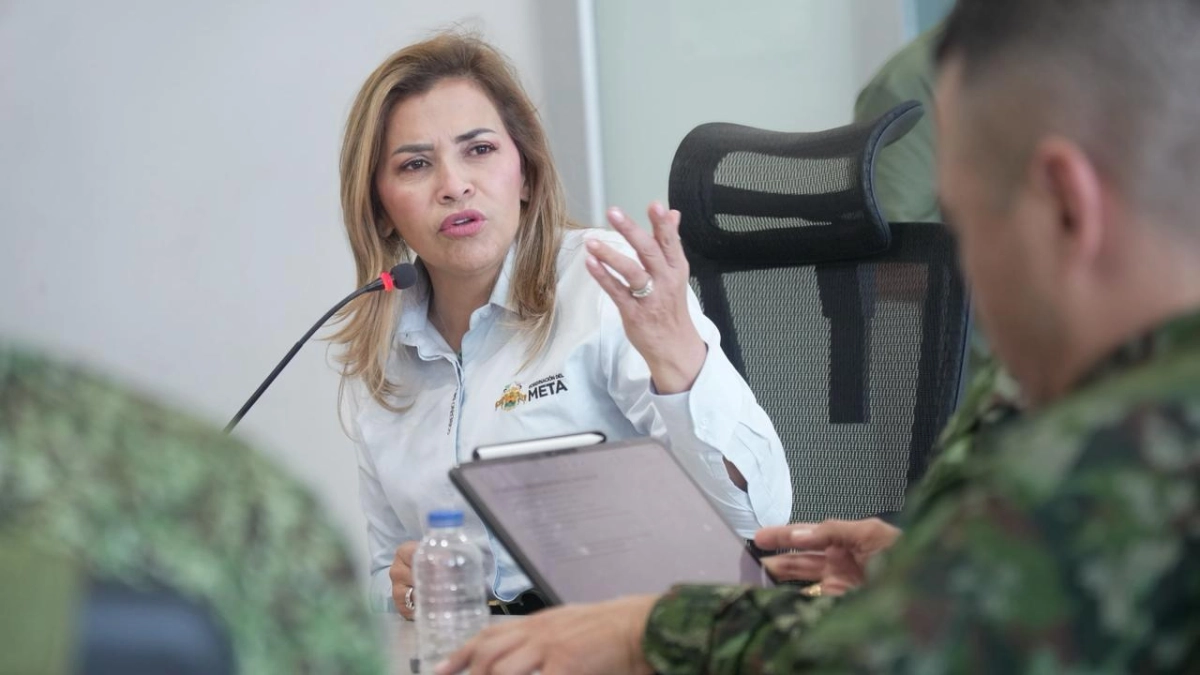
Civilian and military authorities, alongside citizen oversight groups, are maintaining constant monitoring to ensure the electoral process remains legal and transparent. The security forces have deployed around 19,000 personnel throughout the department. While military commanders report relative normality in urban centers, preventive operations have led to six arrests for various offenses. Notable among these was a man apprehended en route to Segovia with a 9mm firearm and over 114 million pesos in cash, raising alarms due to the strict ban on carrying weapons.
Other arrests included individuals involved in vote fraud in Itagüí, judicial warrants in Cañasgordas, and detentions for sexual offenses in Santuario and Puerto Berrío. The Electoral Observation Mission (MOE) in Antioquia reported 19 irregularities in polling stations in its initial assessment. The MOE, with 142 observers across 32 municipalities, noted that 99% of observed polling stations allowed formal access, and 87.64% had electoral witnesses present during setup.
However, the MOE identified issues in a small percentage of polling stations, including the failure to publicly display empty ballot boxes before voting began in 3.33% of cases and the detection of poll workers wearing campaign insignia in 8%. Technological aspects showed mixed results, with biometrics available at 59% of polling stations and the digital ID functioning without major issues in 70.39% of cases. In terms of inclusion, 62.65% of tables were noted to be accessible.
DistantNews Editorial
Originally published by El Tiempo in Spanish. Translated, summarized, and contextualized by our editorial team with added local perspective. Read our editorial standards.
More Stories
From Our Blog

What Gets Lost (and Found) When News Is Translated

The Critical Role of Diaspora Media in Global News

What Travellers Should Know About Countries with Restricted Press

A Digital Nomad's Guide to Following Local News

How the Same Story Looks Different in Different Countries
