

Presidential office reshuffled: Time to prove performance
Translated from Korean, summarized and contextualized by DistantNews.
At a glance
Opinion
Sources not specified
New plan
- South Korean President replaced key aides, including the chief of staff, public communication, civil affairs, and national security.
- The reshuffle aims to reorganize the presidential office for the second year of the administration, with a focus on strengthening communication and accelerating reforms.
- The editorial urges the president to demonstrate tangible results in the remaining term, emphasizing the need for capable personnel and effective governance amidst domestic and international uncertainties.
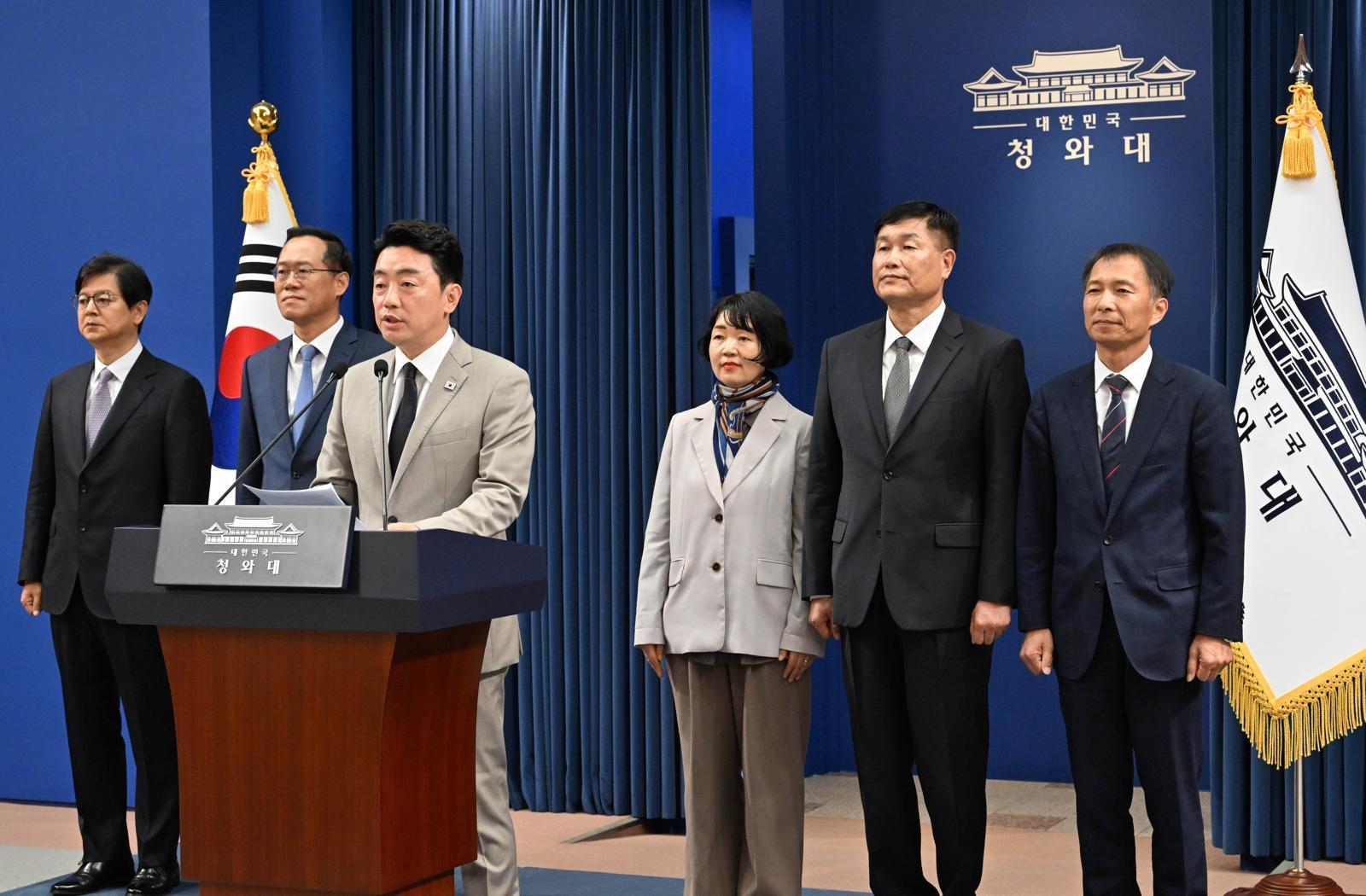
South Korean President replaced key aides on June 21, including the head of public communication, civil affairs, and the first and third deputy chiefs of the National Security Office. This significant reshuffle of presidential staff aims to reorganize the presidential office for the second year of the administration, signaling a renewed focus on strengthening communication and accelerating reform initiatives.
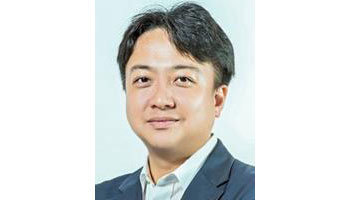
The newly appointed officials, including Seong Gi-hong for Public Communication, Han Chan-sik for Civil Affairs, and Kim Gyeong-ja for Social Affairs, are generally younger than their predecessors, born in the mid-to-late 1960s compared to the early-to-mid 1960s of those they replace. Notably, the president's closest confidants – Chief of Staff Kang Hun-sik, Policy Chief Kim Yong-beom, and National Security Advisor Wi Seong-rak – are expected to remain in their positions. This suggests a strategy of maintaining stability within the core leadership while enhancing the pace of reforms through improved communication.
The editorial emphasizes that the presidential reshuffle and upcoming cabinet appointments are critical indicators of the president's governing approach and commitment to reform. While the first year may have focused on setting the direction and breaking from the past, the remaining term is presented as a period for demonstrating concrete achievements. The piece calls for assembling a team with "experience, expertise, and execution capabilities" to inject urgency into governance.
It cautions against repeating past mistakes, where a focus on "self-righteousness" and "hasty reforms" led to the reappointment of loyalists and allies, hindering broader public support. For a "pragmatic government" that promised to move beyond ideology and factionalism for the sake of the people's lives, a different approach to personnel selection is necessary. The editorial stresses the importance of appointing suitable candidates for the six major reform tasks (regulation, finance, public sector, pensions, education, labor), ensuring thorough vetting to avoid questioning the administration's reform drive and wasting political capital.
The piece concludes by highlighting the need for a cabinet-led approach to governance, driven by the Prime Minister and ministers, to gain momentum. In the current uncertain global climate, particularly following events in the Middle East, the administration must simultaneously stabilize prices and housing costs, which burden ordinary citizens, while advancing reform agendas to increase income and job opportunities for the youth and middle class. Effective communication within the government and cooperation with opposition parties are deemed essential, as the government's true strength lies in its ability to implement policies swiftly and effectively in a way that resonates with the public.
DistantNews Editorial
Originally published by Dong-A Ilbo in Korean. Translated, summarized, and contextualized by our editorial team with added local perspective. Read our editorial standards.
More Stories



From Our Blog

What Gets Lost (and Found) When News Is Translated

The Critical Role of Diaspora Media in Global News

What Travellers Should Know About Countries with Restricted Press

A Digital Nomad's Guide to Following Local News

How the Same Story Looks Different in Different Countries
