

Presidential pardon process for inmates being developed
Translated from Sinhala, summarized and contextualized by DistantNews.
At a glance
News
Official statement
New plan
- A report on a systematic, fair, and transparent process for granting presidential pardons to convicted prisoners was submitted.
- The committee, chaired by a retired Supreme Court judge, studied existing laws and administrative procedures in the prison sector.
- The initiative aims to reduce prison overcrowding and improve rehabilitation systems in line with international standards.
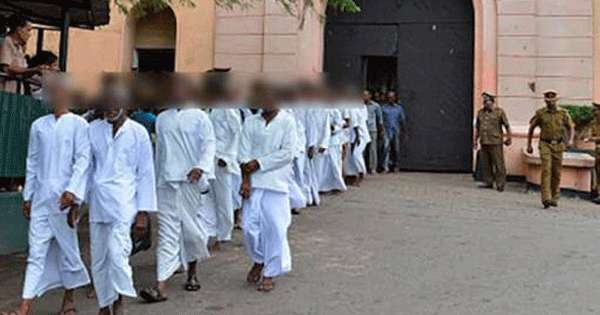
A comprehensive report outlining a systematic, fair, and transparent process for granting presidential pardons to convicted prisoners has been submitted. Retired Supreme Court Justice S. Thureirajah presented the report to Ministry of Justice and National Integration Secretary, President's Counsel Ayesha Jinadasa.
The committee, established by a cabinet decision on June 25, 2025, was tasked with studying the current constitution, including Article 34(1), other statutes, and case law. Their mandate was to identify shortcomings in the administrative procedures of the prison sector and propose recommendations.
Key members of the committee included Deputy Minister of Mass Media Dr. Kaushalya Ariyaratne, Additional Secretary of the Ministry of Justice and National Integration Piyumanthi Peiris, Additional Solicitor General Nerin Pulle, Senior Deputy Inspector General of Police Attorney-at-Law Asanga Karawita, Chairperson of the Bureau of Rehabilitation Prof. Vasantha Subasinghe, Specialist Doctor Chiththihari Abeynayake, former Acting Commissioner General of Prisons Nishan Dhanasinghe, Acting Commissioner General of Prisons Prasad Hemantha Kumara, Senior Assistant Secretary (Legal) of the Ministry of Justice and National Integration Roshani Hettige, and Senior Assistant Secretary Chandima Walikala.
The Ministry of Justice stated that this initiative is a fundamental step in the government's reforms to create a prison system that aligns with international standards. It aims to alleviate severe overcrowding within prisons and address various deficiencies in prisoner rehabilitation methods. The ministry will consider these recommendations and implement them appropriately in the future.
DistantNews Editorial
Originally published by Lankadeepa in Sinhala. Translated, summarized, and contextualized by our editorial team with added local perspective. Read our editorial standards.
More Stories

From Our Blog

What Gets Lost (and Found) When News Is Translated

The Critical Role of Diaspora Media in Global News

What Travellers Should Know About Countries with Restricted Press

A Digital Nomad's Guide to Following Local News

How the Same Story Looks Different in Different Countries
