


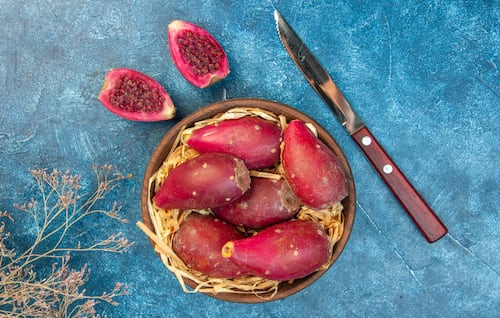
Prickly pear season offers health benefits, from digestion to immunity
Translated from Spanish, summarized and contextualized by DistantNews.
At a glance
News
Named sources
Context piece
- The prickly pear cactus fruit, or tuna, is in season from July to September, offering enhanced flavor and sweetness.
- This fruit is rich in fiber, vitamins, and minerals, providing benefits such as improved digestion, regulated cholesterol, and boosted immunity.
- A recipe for a tuna and panela cheese salad is included, highlighting the fruit's versatility.
The prickly pear cactus fruit, known as tuna, is a seasonal delight, with its peak season running from July to September. During these months, the fruit's flavor and sweetness are at their best, making it a highly anticipated treat. Harvested from April to November, tuna offers a nutritious and delicious addition to the diet.
Beyond its taste, tuna is packed with high-quality vitamins and minerals. Nutritionist Karla Leal highlights that the fruit is rich in fiber, which aids intestinal transit and facilitates the expulsion of feces. Its antioxidants and fiber content help regulate LDL cholesterol, commonly known as "bad" cholesterol, thereby reducing the risk of cardiovascular diseases. Additionally, tuna contains potassium, calcium, and magnesium, minerals that contribute to lowering blood pressure.
The immune system also benefits from regular tuna consumption. The fruit provides significant amounts of vitamins A, B, and C, micronutrients that bolster the body's defense cells. Furthermore, eating tuna can help reduce gastric acid production, preventing ulcers and alleviating symptoms for those who already suffer from them.
Thanks to its antioxidants and fiber, this food regulates LDL cholesterol levels (known as "bad" cholesterol), preventing the development of cardiovascular diseases.
A specific variety, the red tuna, is particularly rich in betalain, an antioxidant molecule that helps regulate blood glucose levels. Combined with its fiber content, tuna slows down carbohydrate digestion, minimizing blood sugar spikes. Historically, the tuna has been valued for both its nutritional and medicinal properties.
To enjoy the fruit's benefits, it can be eaten fresh after peeling. For those looking to incorporate it into meals, a simple salad recipe is provided: combine peeled and cubed tuna with cubed panela cheese, washed spinach, honey, and lemon juice. Season with salt and pepper to taste. For an enhanced flavor, chill the tunas before cutting. The recipe can be made more substantial by adding shredded chicken and tostadas.
In conjunction with its fiber, this fruit slows down the digestion of carbohydrates, which minimizes glucose spikes.
DistantNews Editorial
Originally published by El Universal in Spanish. Translated, summarized, and contextualized by our editorial team with added local perspective. Read our editorial standards.
More Stories


From Our Blog

What Press Freedom Means for the News You Read

What Gets Lost (and Found) When News Is Translated

The Critical Role of Diaspora Media in Global News

What Travellers Should Know About Countries with Restricted Press

A Digital Nomad's Guide to Following Local News
