

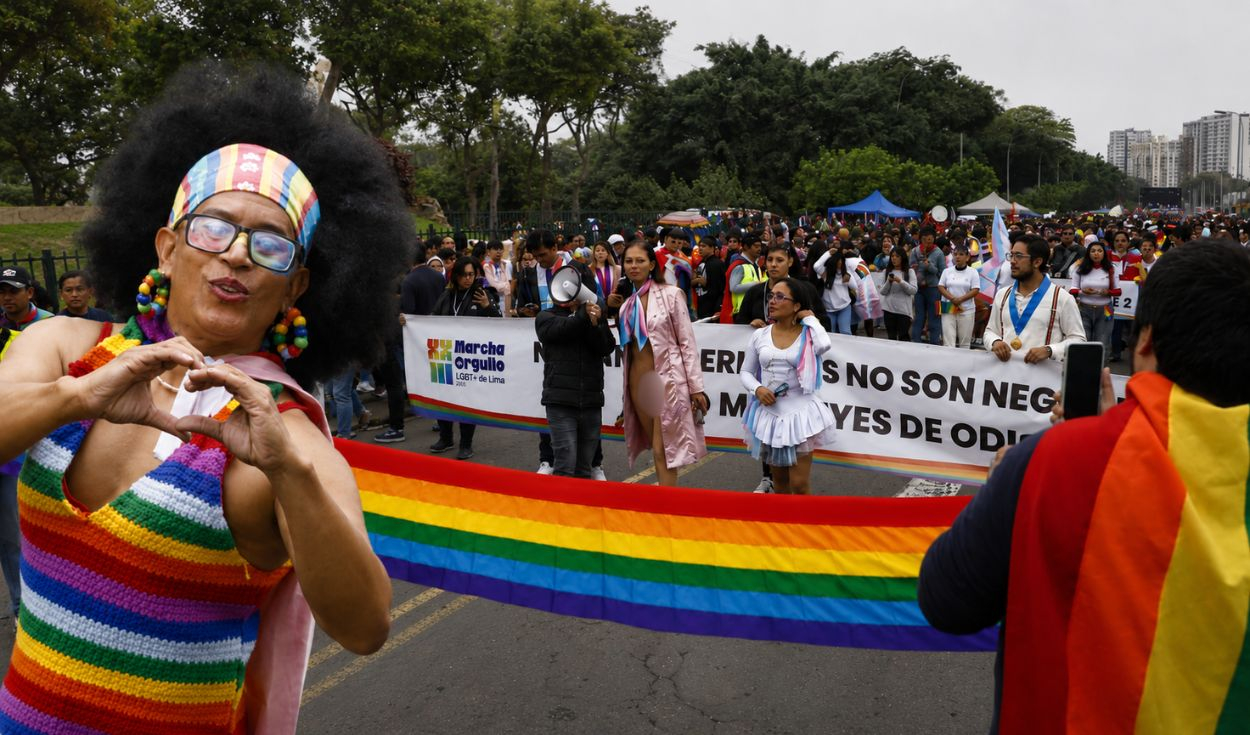
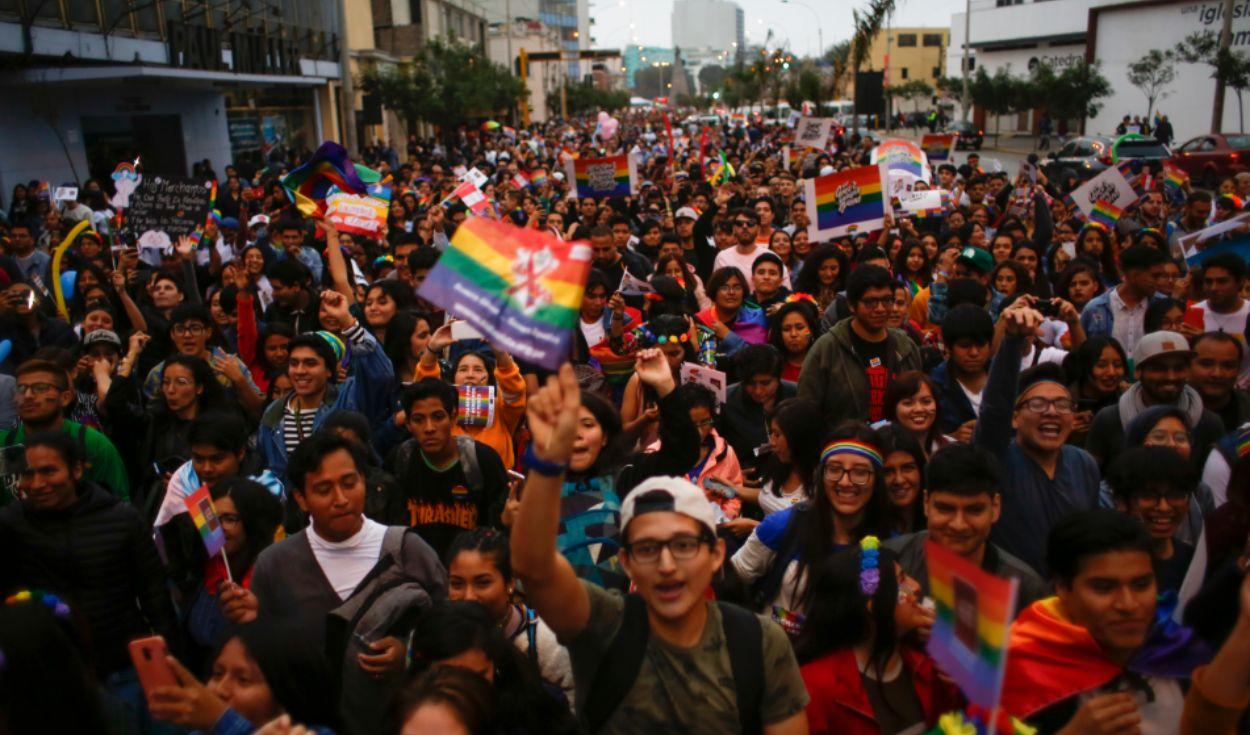
Pride in Lima: Celebration Mixes with Demands for Rights Amidst Political Tension
Translated from Spanish, summarized and contextualized by DistantNews.
At a glance
News
Named sources
Context piece
- Thousands marched in Lima's Pride Parade, highlighting ongoing struggles for LGBTQ+ rights in Peru.
- Activists criticize a conservative political climate and recent legislation that they say undermines LGBTQ+ recognition.
- Concerns were raised about the "Law of Life and Family," which declares June the "Month of Life and Family," seen as a symbolic challenge to Pride Month.
Lima's streets vibrated with the energy of the Pride Parade, a powerful demonstration that blended vibrant celebration with a stark reminder of the persistent fight for LGBTQ+ rights in Peru. Thousands gathered, their presence a visible demand for equality and recognition, underscoring that the journey toward full rights remains incomplete. Activists and organizations voiced deep concerns about the current political landscape, describing a climate of escalating tension surrounding sexual and gender diversity rights, particularly within the legislative sphere. While acknowledging some regulatory progress, they lament the consolidation of a conservative political wave that hinders advancements. "This Congress has left us legally orphaned. We do not have any law that fully recognizes us as citizens," stated María Fernanda Rey, an activist with the organizing collective. Central to the current disputes is the recently approved "Law N.° 32671," which designates June as the "Month of Life and Family." This legislation, championed by conservative lawmakers, has been met with strong criticism from LGBTQ+ groups. They argue that existing dates already honor family and that the June designation intentionally clashes with Pride Month, carrying a significant symbolic weight. Lesly Quispe, an activist from the organization Féminas, highlighted the broader impact of the political climate, noting its influence on social perceptions. "They are trying to invisibilize everything related to gender, and that directly affects the LGBTIQ+ community, especially trans people," she explained. Both activists expressed worry that the reduction of diversity-related content in educational and public spaces could negatively shape future generations' understanding and acceptance of gender diversity.
This Congress has left us legally orphaned. We do not have any law that fully recognizes us as citizens.
DistantNews Editorial
Originally published by La República in Spanish. Translated, summarized, and contextualized by our editorial team with added local perspective. Read our editorial standards.
More Stories


From Our Blog

What Gets Lost (and Found) When News Is Translated

The Critical Role of Diaspora Media in Global News

What Travellers Should Know About Countries with Restricted Press

A Digital Nomad's Guide to Following Local News

How the Same Story Looks Different in Different Countries
