


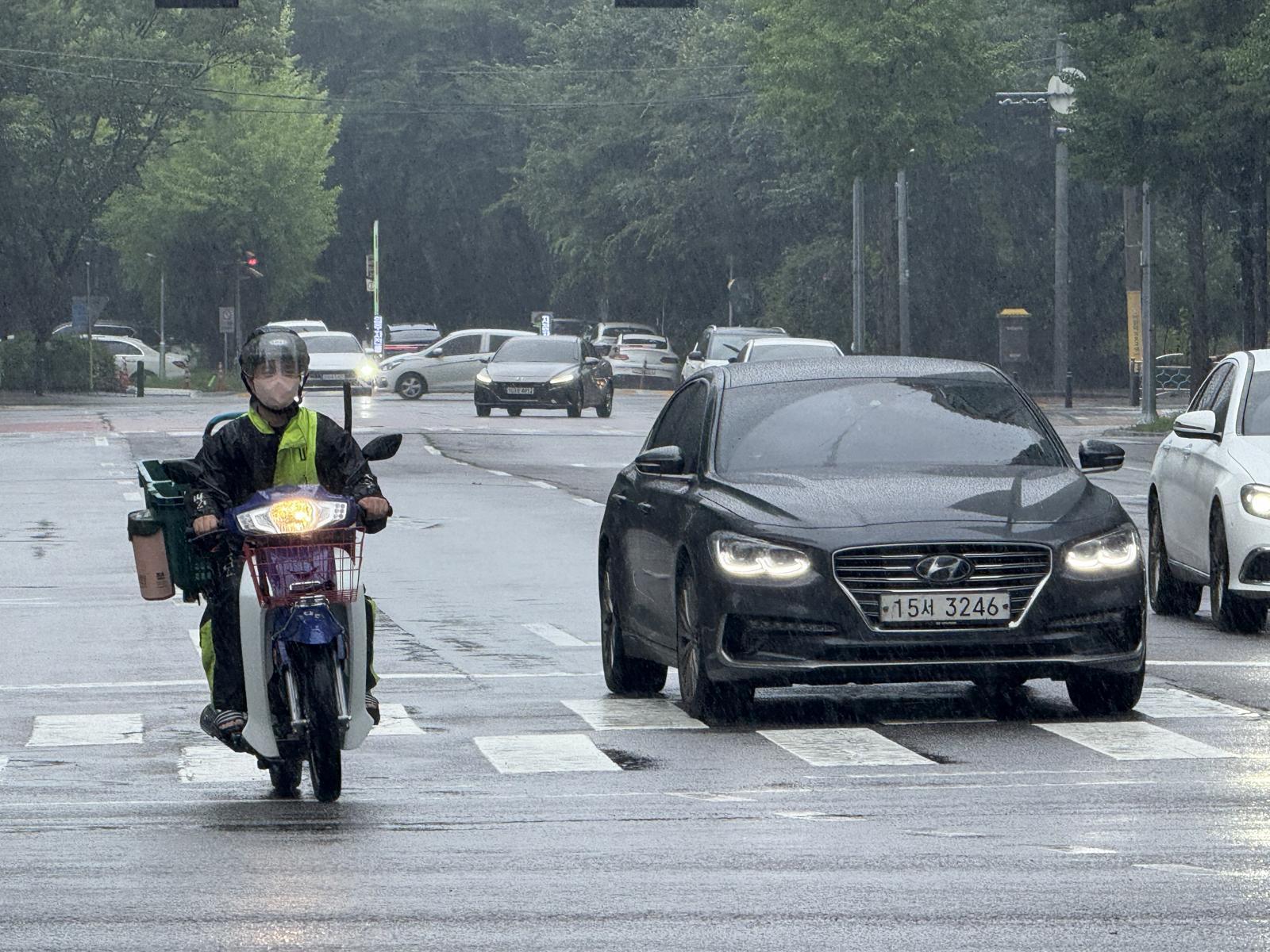
'Privileged class' apartments face backlash over strict delivery worker rules
Translated from Korean, summarized and contextualized by DistantNews.
At a glance
News
Sources not specified
Context piece
- Some South Korean apartment complexes are facing criticism for implementing strict rules for delivery workers, dubbed 'Cheonryongin Apartments'.
- These rules include requiring workers to remove helmets, provide personal information, use cargo elevators, and walk long distances.
- A map of these 'privileged class' apartments has circulated online, sparking debate about discrimination and human rights.
A growing number of apartment complexes in South Korea are drawing criticism for implementing stringent rules for delivery workers, leading to the moniker 'Cheonryongin Apartments' – a term derived from a privileged caste in the anime 'One Piece'. These complexes reportedly enforce measures such as demanding delivery personnel remove their helmets, record personal details, use only cargo elevators, and travel on foot from the entrance.
Recent incidents, including a video showing building management demanding a delivery driver's identification and helmet removal, have fueled online backlash. Critics argue these practices treat delivery workers as potential criminals. In response, a 'Cheonryongin Apartment Map' has emerged online, identifying over 50 high-end apartment complexes nationwide, particularly in Seoul's affluent Gangnam district, where such rules are allegedly applied.
Delivery workers report facing various inconveniences, including being barred from main entrances, forced to walk considerable distances, required to show identification, sign visitor logs, and even surrender their motorcycle keys. Some complexes reportedly restrict them to using only cargo elevators, further complicating their work.
While apartment management cites resident safety and security as the reasons for these measures, experts suggest that while visitor management is a legitimate right, discriminatory practices targeting specific professions or demanding unnecessary personal information like resident registration numbers could infringe on human rights and violate laws. Labor groups like Rider Union are calling for platform companies to proactively inform drivers about complex access procedures and actively mediate disputes. Delivery platforms have pledged to support affected drivers with legal and psychological counseling and enhance monitoring.
DistantNews Editorial
Originally published by Dong-A Ilbo in Korean. Translated, summarized, and contextualized by our editorial team with added local perspective. Read our editorial standards.
More Stories



From Our Blog

What Gets Lost (and Found) When News Is Translated

The Critical Role of Diaspora Media in Global News

What Travellers Should Know About Countries with Restricted Press

A Digital Nomad's Guide to Following Local News

How the Same Story Looks Different in Different Countries
