


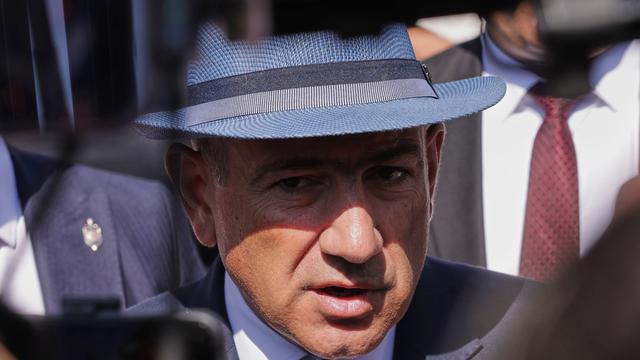
Pro-Western government leads in Armenian parliamentary elections
Translated from German, summarized and contextualized by DistantNews.
At a glance
News
Official statement
Ongoing story
- Preliminary results show the pro-Western government of Nikol Pashinyan leading in Armenia's parliamentary elections.
- Pashinyan's Civil Contract party secured 57% of the vote, while the pro-Russian Strong Armenia party garnered 21%.
- Voter turnout was higher than in the previous election, despite tensions with Russia and a turbulent election day with opposition complaints.
Armenia's pro-Western government appears set to continue its term following preliminary results from Sunday's parliamentary elections. Prime Minister Nikol Pashinyan's Civil Contract party is leading, with early tallies from the Central Election Commission indicating 57% of the vote. This outcome suggests a mandate for Pashinyan's government, which has pursued closer ties with the European Union.
The main opposition force, the pro-Russian Strong Armenia party, led by businessman Samvel Karapetyan, secured 21% of the vote. The election was seen as a crucial directional choice for the South Caucasus nation, which has historically balanced relations between Russia and the West. The higher voter turnout of 59%, compared to 2021, suggests increased public engagement in the country's political future.
The election campaign was overshadowed by significant tensions with Russia. Moscow had imposed import bans on Armenian products and threatened to terminate a favorable gas supply contract, reacting to Yerevan's deepening ties with the EU. The election day itself was not without incident, as the pro-Russian opposition reported the arrest of over 100 supporters. Authorities stated these arrests were related to suspected vote-buying attempts.
With approximately 110 out of 2,000 polling stations counted, the results indicate a clear lead for Pashinyan's party. The ongoing vote count will confirm the final composition of the Armenian parliament and the extent of the pro-Western government's mandate amidst regional geopolitical pressures.
DistantNews Editorial
Originally published by Die Zeit in German. Translated, summarized, and contextualized by our editorial team with added local perspective. Read our editorial standards.
More Stories



From Our Blog

What Gets Lost (and Found) When News Is Translated

How the Same Story Looks Different in Different Countries

The Critical Role of Diaspora Media in Global News

What Travellers Should Know About Countries with Restricted Press

A Digital Nomad's Guide to Following Local News
