


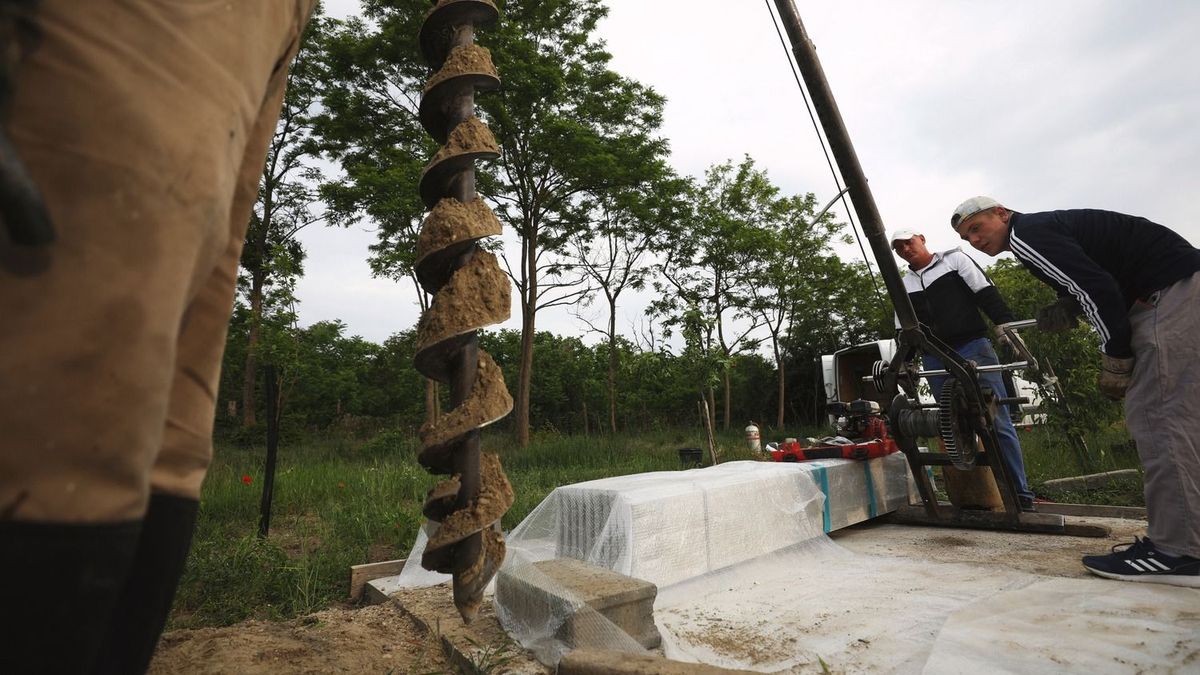
Properly Regulated Wells Are Key to Avoiding Groundwater Damage
Translated from Hungarian, summarized and contextualized by DistantNews.
At a glance
News
Sources not specified
Context piece
- Improperly constructed wells can cause damage to groundwater, posing environmental risks.
- Professional execution is crucial for ensuring wells are built correctly and safely.
- The article highlights the importance of adhering to regulations for well construction.
The construction of wells, while essential for accessing groundwater, carries significant environmental risks if not executed with professional precision. Improperly built wells can lead to contamination and degradation of vital water resources.
According to the article, the key issue lies in the execution of the construction process. Substandard or unprofessional work can directly harm the groundwater, potentially leading to long-term ecological damage. This underscores the need for stringent oversight and adherence to established standards.
Improperly constructed wells can cause damage to groundwater.
Ensuring that wells are built according to proper regulations is paramount. This not only protects the immediate water source but also prevents broader environmental consequences that could affect local ecosystems and water supplies.
The piece emphasizes that while wells can be a valuable solution for water access, their construction must be handled by qualified professionals who understand and follow the correct procedures. This approach guarantees the safety and sustainability of groundwater resources.
Professional execution is crucial, but only if it is regulated.
DistantNews Editorial
Originally published by Magyar Nemzet in Hungarian. Translated, summarized, and contextualized by our editorial team with added local perspective. Read our editorial standards.
More Stories
From Our Blog

Countries Without a Free Press: What You Need to Know

What Press Freedom Means for the News You Read

What Gets Lost (and Found) When News Is Translated

The Critical Role of Diaspora Media in Global News

What Travellers Should Know About Countries with Restricted Press
