


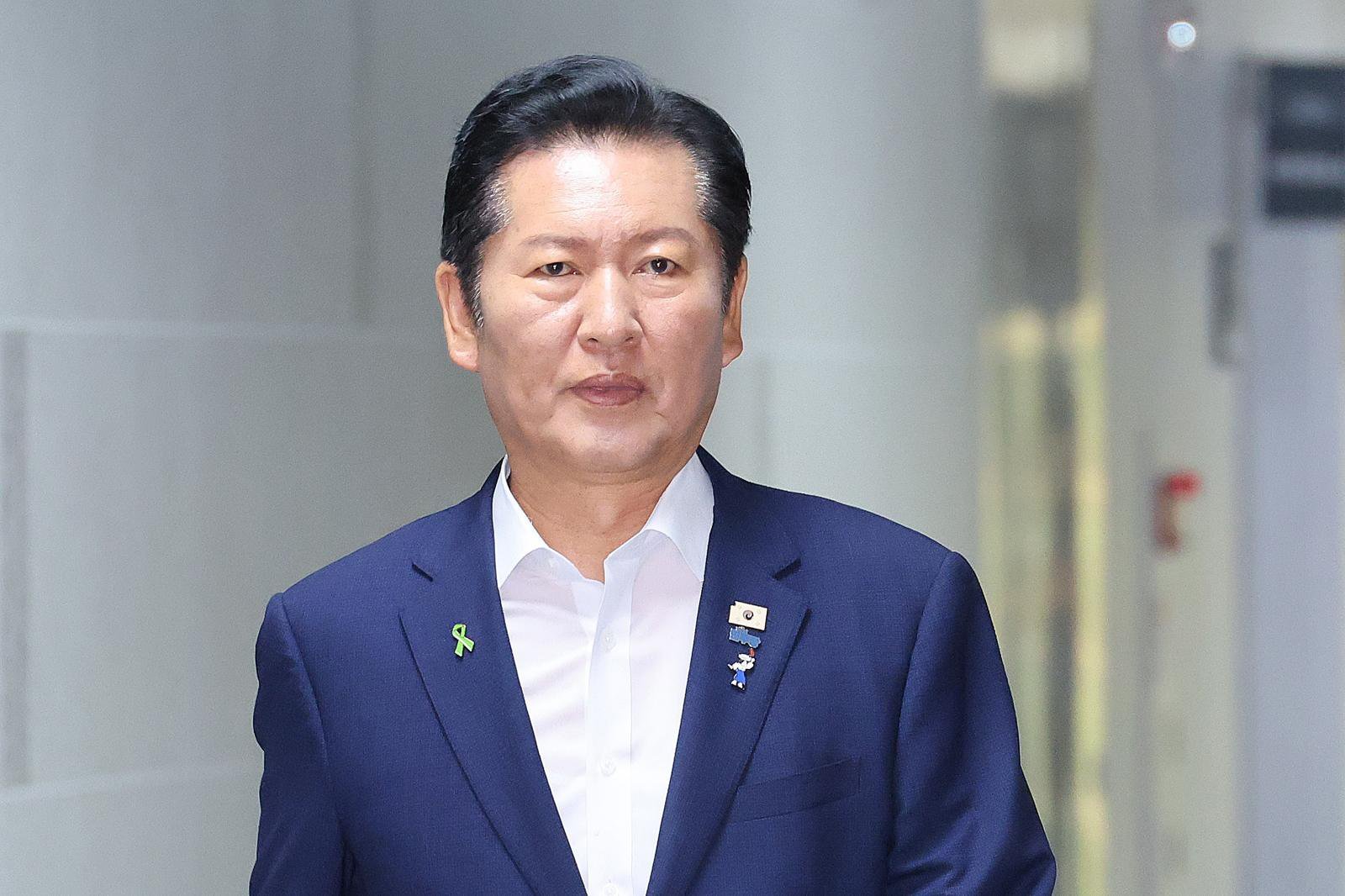
Prosecutorial reform is key to party survival, warns opposition lawmaker
Translated from Korean, summarized and contextualized by DistantNews.
At a glance
News
Sources not specified
Context piece
- A prominent member of South Korea's main opposition party is urging a renewed focus on prosecutorial reform, warning that failure to do so could alienate the party's base.
- The lawmaker echoed sentiments from a prominent commentator who criticized the president's stance on prosecutorial reform, suggesting it leads to inevitable failure.
- Internal party debate is intensifying over the direction of reform, with some factions pushing back against the criticism and emphasizing the need for party unity.
A fierce internal debate is brewing within South Korea's main opposition Democratic Party over the crucial issue of prosecutorial reform. The party's upcoming leadership election has become a battleground for different factions, with one prominent lawmaker, Jeong Cheong-rae, taking a strong stance.
Prosecutorial reform is the flag and symbol of the Democratic Party's identity. If we fail to achieve this, the Democratic Party will be abandoned and forsaken by its supporters.
Jeong, a candidate for party leader, declared that "prosecutorial reform is the flag and symbol of the Democratic Party's identity." He warned that "if we fail to achieve this, the Democratic Party will be abandoned and forsaken by its supporters." His remarks came in response to a commentator, Yoo Si-min, who argued that President Lee's administration is on a path to "inevitable failure" due to its stance on reform.
Jeong emphasized that abandoning prosecutorial reform would lead to "immense disappointment and alienation" among traditional supporters and would also make the upcoming general election "considerably difficult." He reiterated the party's commitment to ensuring prosecutors do not hold both investigative and indictment powers, a core principle that should not be compromised. This comes as some within the party have begun to suggest a partial retention of investigative powers for prosecutors following new revelations in a case.
If we fail to achieve this, the Democratic Party will be abandoned and forsaken by its supporters.
However, Jeong pushed back against this emerging sentiment, accusing prosecutors of engaging in "media play" and attempting to undermine reform by highlighting issues with the police. He argued that the potential for manipulation and distortion of cases by prosecutors, who hold exclusive power over indictment and investigation, is far greater than any issues with the police. "To give investigative powers back to prosecutors again is another way of saying we should not pursue prosecutorial reform," he stated.
Prosecutorial reform is absolutely indispensable and must not fail. Not giving investigative powers to prosecutors is our government's, the Democratic Party's promise and a fundamental principle.
The debate has sparked a backlash from within the pro-Lee faction. Lawmaker Kim Nam-joon criticized the framing of the reform debate, suggesting that some are distorting the president's position for political gain. He expressed concern that the discussion is devolving into a "war of identities" between traditional supporters and "hired critics," rather than focusing on the substance of the reform. Other party figures have also weighed in, with some dismissing the commentator's remarks as irrelevant to the party's internal affairs.
The prosecution will engage in various media plays at the end and will shake things up with various problems of the police. We have already anticipated this.
DistantNews Editorial
Originally published by Dong-A Ilbo in Korean. Translated, summarized, and contextualized by our editorial team with added local perspective. Read our editorial standards.
More Stories



From Our Blog

What Gets Lost (and Found) When News Is Translated

The Critical Role of Diaspora Media in Global News

What Travellers Should Know About Countries with Restricted Press

A Digital Nomad's Guide to Following Local News

How the Same Story Looks Different in Different Countries
