


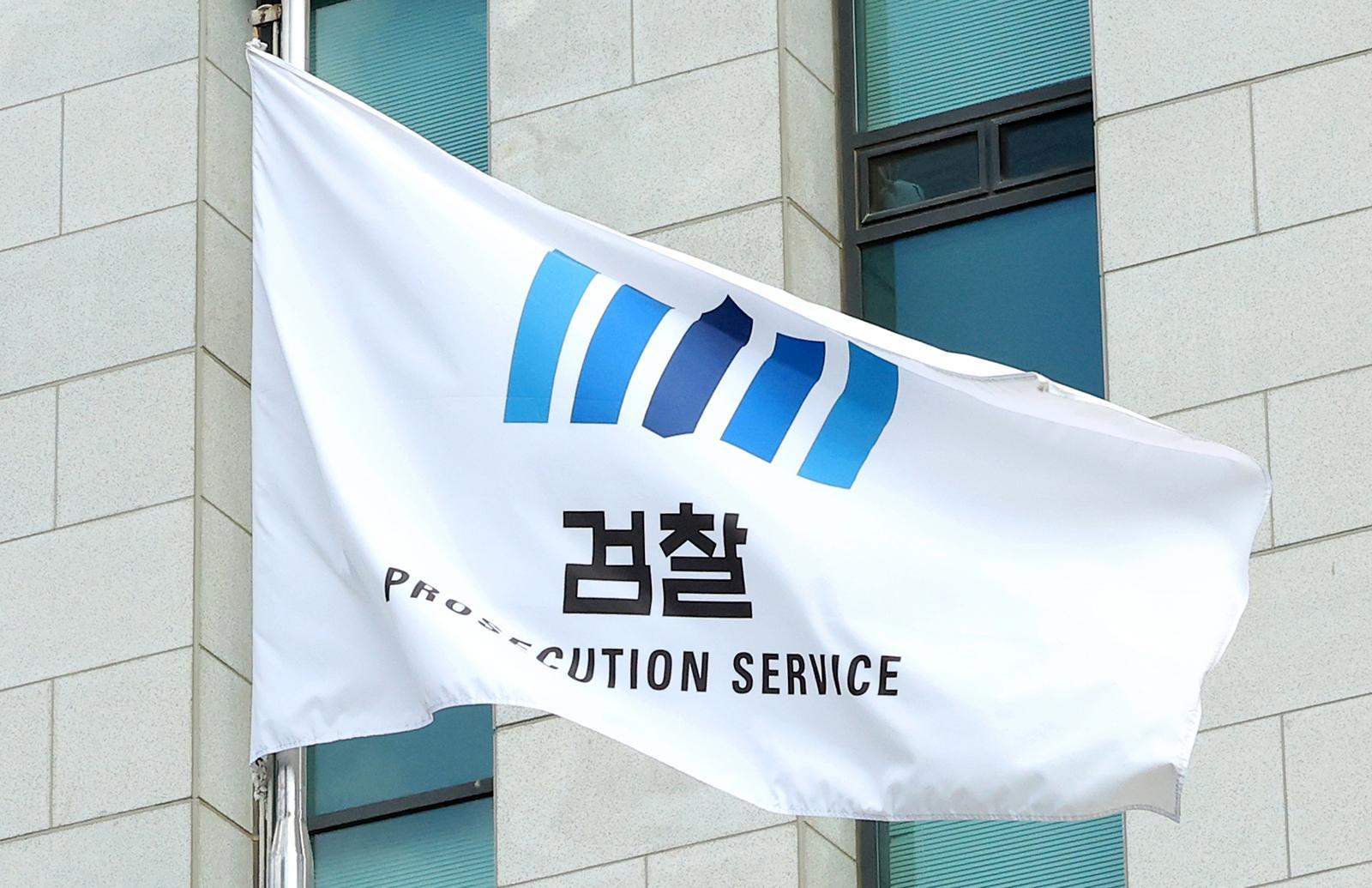
Prosecutors establish guidelines for conditional non-prosecution in minor cases
Translated from Korean and summarized by DistantNews. Read the original for the full story.
At a glance
News
Official statement
New plan
- South Korea’s Supreme Prosecutors’ Office will allow conditional non-prosecution instead of criminal punishment in some minor cases.
- Prosecutors will consider a suspect’s circumstances and social vulnerability, including cases where a fine of up to 1 million won or an administrative penalty would provide sufficient sanction.
- The guidelines take effect after prosecutors previously relied on broad statutory factors when deciding whether to suspend indictment.
South Korea’s prosecutors have created new rules for handling minor offenses committed by people in difficult circumstances, including socially vulnerable suspects.
Under the guidelines, prosecutors can suspend an indictment instead of pursuing criminal punishment, provided the suspect completes requirements such as education or community service. The offense is still acknowledged, but the case does not proceed to trial.
The Supreme Prosecutors’ Office said on the 31st that it had established and put into effect guidelines on prosecutorial decisions to suspend indictments. Until now, prosecutors had relied on broad criteria under Article 51 of the Criminal Act, including the offender’s age and circumstances, the motive for the offense and its consequences.
The new approach calls for a more specific review of the suspect’s living conditions and whether the person belongs to a socially vulnerable group. Prosecutors may use conditional non-prosecution in cases carrying a requested fine of no more than 1 million won, or where an administrative measure would provide enough sanction.
The guidance also reflects concerns over cases such as a person with a developmental disability being sent to prosecutors on a special theft charge after stealing ice cream. The stated aim is to handle such cases in a way that matches public expectations, while requiring suspects to fulfill education and community-service conditions faithfully.
About this summary
Originally published by Dong-A Ilbo in Korean. Translated, summarized, and contextualized automatically by DistantNews, with a note on how the source frames the story. Not individually reviewed before publishing. How this works.
More Stories


From Our Blog

What Gets Lost (and Found) When News Is Translated

The Critical Role of Diaspora Media in Global News

What Travellers Should Know About Countries with Restricted Press

A Digital Nomad's Guide to Following Local News

How the Same Story Looks Different in Different Countries
