

/s3/static.nrc.nl/wp-content/uploads/2026/07/22110827/220726WET_2035333830_staircase1.jpg)
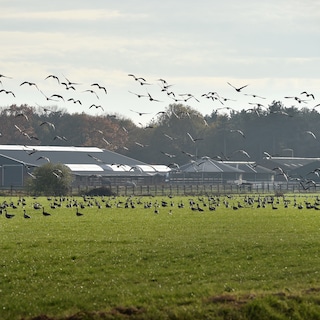
Provincial policies confuse goose management efforts
Translated from Dutch, summarized and contextualized by DistantNews.
At a glance
News
Sources not specified
Context piece
- Geese are becoming difficult to remove due to varying provincial policies.
- This situation is causing confusion and making management efforts less effective.
- The differing approaches are hindering efforts to control goose populations.
Managing goose populations in the Netherlands has become increasingly complicated due to divergent policies implemented by different provinces. This lack of a unified approach is causing confusion and making it difficult to effectively control the number of geese.
The varying regulations and strategies across provinces mean that geese, which are highly mobile, are not being managed consistently. What might be permissible in one province could be strictly forbidden in another, leading to a fragmented and often ineffective system. This inconsistency allows goose populations to persist and even thrive in areas where control measures are weak, while potentially causing issues in areas with stricter policies.
The situation highlights the challenges of implementing coordinated environmental management strategies when regional authorities operate under different frameworks. The effectiveness of any goose management plan is significantly undermined when geese can simply move to a neighboring province with more lenient rules. This makes it harder for wildlife managers and landowners to achieve desired outcomes and address the problems caused by overabundant geese.
DistantNews Editorial
Originally published by De Volkskrant in Dutch. Translated, summarized, and contextualized by our editorial team with added local perspective. Read our editorial standards.
More Stories
/s3/static.nrc.nl/wp-content/uploads/2026/07/21140700/210726VER_2035377540_gras.jpg)
/s3/static.nrc.nl/wp-content/uploads/2026/07/14110021/150726WEE_2035201376_wilnis3.jpg)
From Our Blog

What Gets Lost (and Found) When News Is Translated

The Critical Role of Diaspora Media in Global News

What Travellers Should Know About Countries with Restricted Press

A Digital Nomad's Guide to Following Local News

How the Same Story Looks Different in Different Countries
