


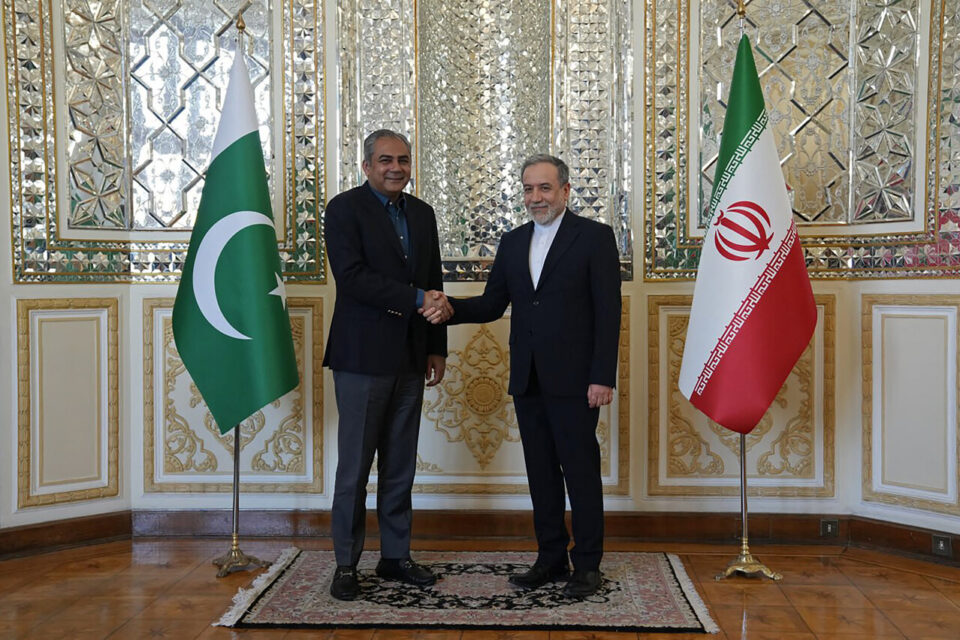
Provisional Middle East Peace Accord: Fingers Crossed
Translated from French, summarized and contextualized by DistantNews.
At a glance
Analysis
Named sources
New plan
- The United States and Iran have announced a provisional agreement to end hostilities and reopen the Strait of Hormuz, raising hopes for peace in the Middle East.
- Mediators, including Pakistani and Qatari officials, worked to finalize the agreement, which includes a cessation of fighting on all fronts and the reopening of the vital strait.
- While the agreement offers relief, particularly for African nations impacted by rising fuel and fertilizer prices, observers caution that the path to lasting peace remains fraught with challenges, including Israeli skepticism and Iran's nuclear program.
A potential end to the Middle East war is on the horizon as the United States and Iran announced a provisional agreement on June 15 to cease hostilities and reopen the Strait of Hormuz. Observers are cautiously optimistic that this agreement will hold, especially since it follows previous announcements by U.S. President Donald Trump regarding peace efforts.
We are crossing our fingers that this agreement materializes, especially since this is not the first time the American president, Donald Trump, has announced such news. Will this time be the right one?
Pakistani mediators confirmed the progress, stating that negotiations were arduous. Qatari officials were reportedly in Iran until June 14 to finalize the accord, which reportedly includes a ceasefire on all fronts, including Lebanon, and the reopening of the Strait of Hormuz. From an African perspective, this development is viewed positively, offering hope for relief from the soaring fuel and fertilizer prices that have significantly impacted the continent, particularly as the rainy season for agriculture begins.
The de-escalation is seen as beneficial for all parties involved. The U.S. president, initially expecting a swift conflict, faces domestic criticism and a public increasingly opposed to the war. Iran, enduring American and Israeli strikes, also faces multiple consequences. The provisional peace agreement offers a glimmer of hope, but prudence is advised.
Seen from Africa, this is rather good news and we hope the agreement will hold up. In any case, it would be a great relief for everyone, given the perverse effects of this crisis, both on fuel prices which have seen a dizzying rise, and on the fertilizer market which is also heavily impacted, at a time when the rainy season and cultivation are gradually settling in many African countries.
The path to lasting peace in the Middle East remains uncertain. Challenges include the stance of Washington's ally, Israel, which maintains a belligerent attitude, and the unresolved issue of Iran's nuclear program. Ultimately, the success of the agreement hinges on the parties' ability to uphold their commitments, a difficult task given the apparent lack of trust between the belligerents. The most challenging phase, building confidence and ensuring compliance, is just beginning.
But we must remain prudent. Because the path to peace in the Middle East is still strewn with pitfalls.
DistantNews Editorial
Originally published by Le Pays in French. Translated, summarized, and contextualized by our editorial team with added local perspective. Read our editorial standards.
More Stories
From Our Blog

What Gets Lost (and Found) When News Is Translated

The Critical Role of Diaspora Media in Global News

What Travellers Should Know About Countries with Restricted Press

A Digital Nomad's Guide to Following Local News

How the Same Story Looks Different in Different Countries
