



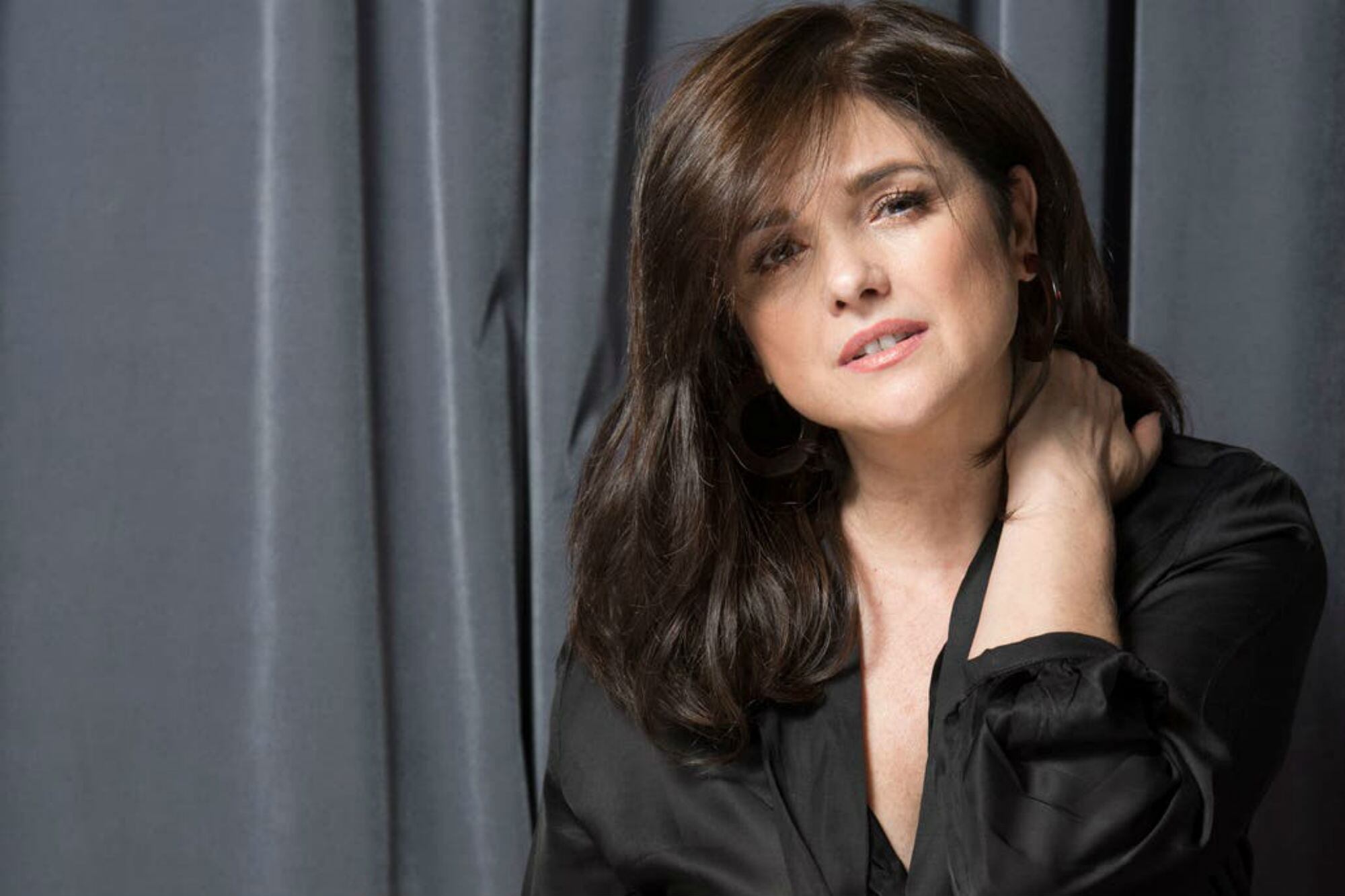
Psychologist Gabriel Rolón: 'We are so shaped by others' opinions that we become eccentric to ourselves'
Translated from Spanish, summarized and contextualized by DistantNews.
At a glance
Interview
Sources not specified
Context piece
- Argentine psychoanalyst Gabriel Rolón explains that external opinions and societal expectations often prevent individuals from connecting with their own desires.
- Rolón states that people are "eccentric to ourselves" because they are so influenced by others' voices and mandates.
- He emphasizes that personal effort, self-knowledge, and separating real aspirations from imposed expectations are crucial for transforming reality and achieving happiness.
Argentine psychoanalyst and writer Gabriel Rolón asserts that individuals often become disconnected from their true selves due to the overwhelming influence of external opinions and societal expectations. In an interview with Luis Novaresio on LN+, Rolón explained that the constant pressure of others' desires and mandates creates a barrier between a person and their own will, making it difficult to identify and pursue what one truly wants.
"It's not easy to know what you desire. It's not easy. Because so many things get in the way between desire and oneself. The first thing that gets in the way are the desires of others. Those voices. Those mandates, what was expected of us," Rolón stated. He elaborated that people live under the weight of discourses that do not belong to them, leading them to feel "eccentric to ourselves." This internal conflict, he noted, often manifests as guilt or disappointment when individuals realize they are not meeting the expectations imposed upon them by parents or society.
Rolón highlighted that this condition causes individuals to feel out of sync with their own center, with parental and societal voices clouding their ability to make choices. "Those mandates, those criticisms, that pain that sometimes inhabits us when we know we are disappointing what was expected of us," he remarked. He stressed that this anguish, disappointment, and guilt can significantly interfere with one's ability to connect with their own desires.
According to Rolón, the process of self-knowledge involves distinguishing genuine aspirations from the impositions of one's environment. He observed that individuals often discover their current goals are reflections of their inner circle's expectations rather than internal drives. "We all have to take responsibility for something that is expected of us. Nobody arrives in this world naively, without something that precedes them. If you're lucky, a good desire," he added. Rolón also touched upon the difficulty people face in finding happiness, largely because they are unaware of their own desires, concluding, "We are always eccentric to our desires."
DistantNews Editorial
Originally published by La Nación in Spanish. Translated, summarized, and contextualized by our editorial team with added local perspective. Read our editorial standards.
More Stories


From Our Blog

What Gets Lost (and Found) When News Is Translated

The Critical Role of Diaspora Media in Global News

What Travellers Should Know About Countries with Restricted Press

A Digital Nomad's Guide to Following Local News

How the Same Story Looks Different in Different Countries
