

Psychologist: Hope can hinder personal responsibility for one's destiny
Translated from Spanish, summarized and contextualized by DistantNews.
At a glance
Analysis
Sources not specified
Context piece
- Psychologist Gabriel Rolón argues that hope can be a passive state, leading individuals to avoid personal responsibility for their destiny.
- He proposes 'faltacidad' as a concept for happiness, suggesting it must integrate imperfections, pain, and wounds rather than seeking unattainable total fulfillment.
- Rolón emphasizes confronting one's desires and accepting that happiness is found in the present moment, acknowledging the coexistence of past, present, and future influences.
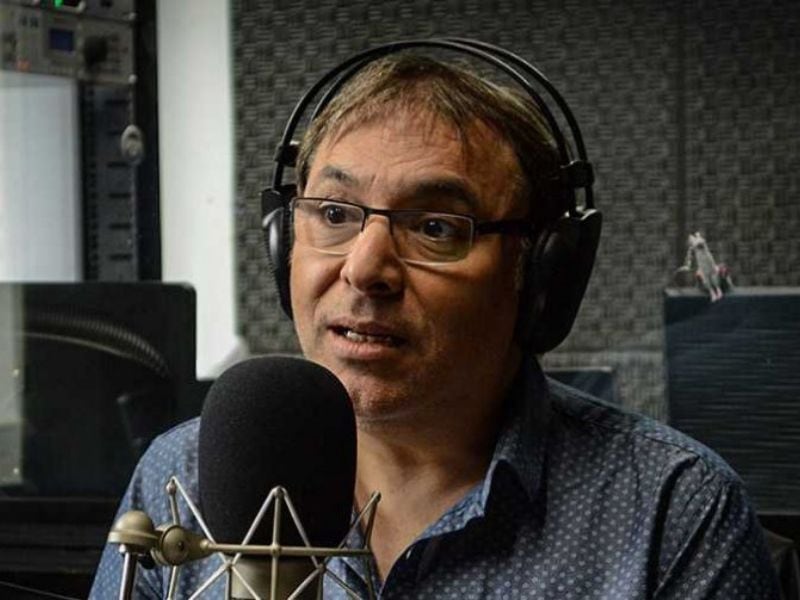
Psychologist Gabriel Rolón challenges the conventional view of hope as a virtue, describing it as a state that can incapacitate individuals by making them passively await outcomes rather than actively shape their destiny. "Hope is something we cannot manage; it implies accepting without corroboration, without questioning; you have it or you don't," Rolón stated in an interview with LA NACION, criticizing how faith and hope are often used to evade personal responsibility.
Hope is something we cannot manage; it implies accepting without corroboration, without questioning; you have it or you don't.
Rolón suggests that this reliance on hope can lead people to "inability to play a desire waiting for things to happen that are more magical than personal." He also observes that life loses meaning when individuals focus on the past, seeing this as a way to abdicate the responsibility of living in the present. This tendency to seek happiness in bygone times prevents engagement with the "here and now."
Introducing the neologism 'faltacidad,' Rolón defines happiness not as a state of complete fulfillment but as one that embraces imperfections. "There is no happiness, there is faltacidad. Which is a happiness that is capable of embracing all the lacks, absences, pains, and wounds," he explained. This concept acknowledges the inherent finitude of human existence and suggests that striving for absolute plenitude is ultimately futile.
This can leave us 'incapacitated to play a desire waiting for things to happen that are more magical than personal.'
Furthermore, Rolón discusses the influence of family and cultural mandates, termed the "superego" in psychoanalysis, which often obscure individual desires. "Psychoanalysis is the art of trying to prevent someone from fulfilling their destiny," he confessed, highlighting how external voices can shape one's path. Instead of pursuing a static form of happiness, Rolón advocates for courageously confronting one's true desires.
I always had the impression that life stops making sense when someone starts looking for happiness in the past.
He concludes that happiness, though elusive, is an "eternal moment" found in the immediacy of the present. "Happiness is that moment of eternity where what you were, what you want to be, what torments you from the past, and what you fear for the future coexist," Rolón stated, emphasizing the dynamic and present-focused nature of genuine contentment.
There is no happiness, there is faltacidad. Which is a happiness that is capable of embracing all the lacks, absences, pains, and wounds.
DistantNews Editorial
Originally published by La Nación in Spanish. Translated, summarized, and contextualized by our editorial team with added local perspective. Read our editorial standards.
More Stories



From Our Blog

What Gets Lost (and Found) When News Is Translated

The Critical Role of Diaspora Media in Global News

What Travellers Should Know About Countries with Restricted Press

A Digital Nomad's Guide to Following Local News

How the Same Story Looks Different in Different Countries
