

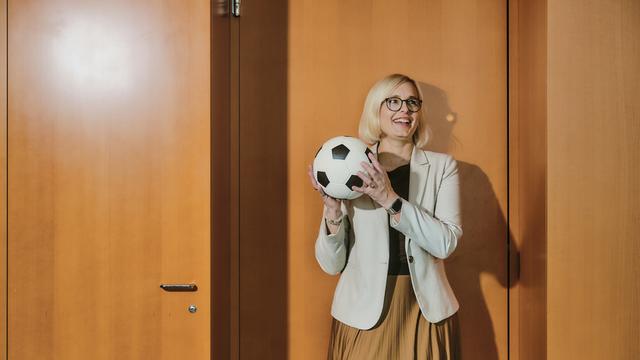

Psychologist: 'Those who want to learn to handle pressure must face it'
Translated from German, summarized and contextualized by DistantNews.
At a glance
Interview
Named sources
Context piece
- Hans-Dieter Hermann, former team psychologist for the German national football team, shared insights into his role during World Cups.
- He described his daily routine, which involved adapting to the team's schedule and being available for players needing to talk.
- Hermann also highlighted the importance of psychological training, including concentration techniques and methods for post-match recovery.
Hans-Dieter Hermann, who served as the team psychologist for the German national football team for two decades, offered a glimpse into his work during World Cup tournaments. He explained that his daily activities were closely tied to the rhythm of the team's schedule, encompassing training, matches, and meal times.
"The work is guided by the rhythm of football, the game, training, and meal times," Hermann stated. He noted that player interactions often occurred spontaneously, during walks after training sessions or while traveling on team flights. Many significant conversations, he recalled, took place after evening meals.
The work is guided by the rhythm of football, the game, training, and meal times.
Beyond informal discussions, Hermann emphasized the role of structured psychological training. "Players learned concentration techniques or exercises on how to quickly wind down after an intense match," he said. This training aimed to equip players with the mental tools necessary to handle the pressures of high-stakes competition and recover effectively.
Players learned concentration techniques or exercises on how to quickly wind down after an intense match.
DistantNews Editorial
Originally published by Die Zeit in German. Translated, summarized, and contextualized by our editorial team with added local perspective. Read our editorial standards.
More Stories

From Our Blog

What Gets Lost (and Found) When News Is Translated

How the Same Story Looks Different in Different Countries

The Critical Role of Diaspora Media in Global News

What Travellers Should Know About Countries with Restricted Press

A Digital Nomad's Guide to Following Local News
