

PTI slams govt for 'anti-poor' fiscal policies
Translated from English, summarized and contextualized by DistantNews.
At a glance
News
Named sources
Context piece
- PTI lawmakers criticized the government for its "anti-farmer" and "anti-poor" fiscal policies, stating they weaken the economy and burden citizens.
- They claimed the agriculture sector is collapsing, with cotton cultivation drastically reduced due to crippling taxation.
- The party accused the government of misrepresenting economic data and favoring wealthy industrialists over the poor.
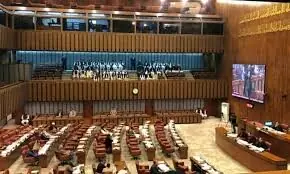
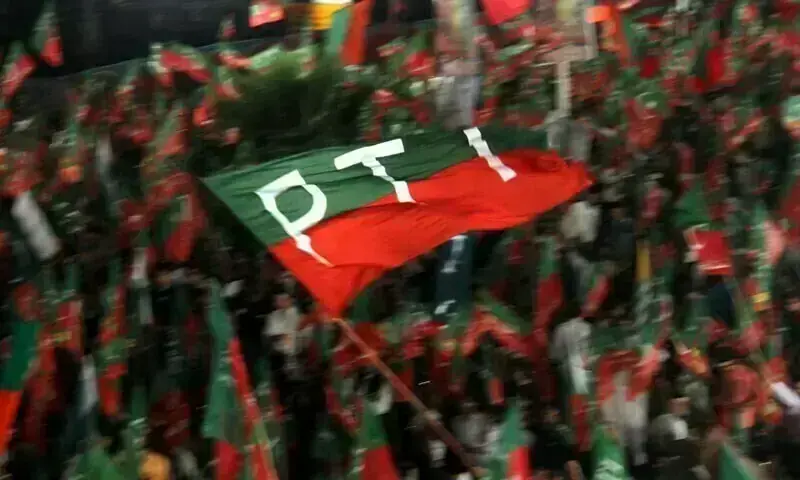
Islamabad: Pakistan Tehreek-e-Insaf (PTI) lawmakers on Saturday accused the ruling coalition of implementing "anti-farmer" and "anti-poor" fiscal policies that are weakening the economy and overburdening the underprivileged with excessive taxation.
During a press conference, PTI Members of the National Assembly Usama Mela, Khawaja Sheraz Mehmood, Mubeen Arif Jutt, and Shandana Gulzar painted a bleak picture of the nation's agriculture, economy, and law and order. They asserted a significant disconnect between the government's official statistics and the realities on the ground, holding the rulers directly responsible for the deteriorating economic situation.
agriculture sector was facing a “total collapse” under the PML-N government.
MNA Usama Mela claimed the agriculture sector is facing "total collapse" under the current administration. He highlighted a substantial decline in cotton cultivation, with the sector achieving only 0.6% growth against a target of 6%. "Due to crippling taxation policies, the total cultivable area for cotton has been drastically reduced from 2.4 million to just 5.5 lakh acres," he stated.
Due to crippling taxation policies, the total cultivable area for cotton has been drastically reduced from 2.4 million to just 5.5 lakh acres.
Shandana Gulzar contrasted the "economic stability" of the Imran Khan era with the current government's data. Citing World Bank reports, she alleged that the government is misrepresenting figures across various sectors, including agriculture, poverty, petrol prices, education, and healthcare. Gulzar pointed out that tax relief has been granted to wealthy industrialists and large businesses through a reduction in the super tax, while essential household items for the poor have been taxed.
Khawaja Sheraz warned that the government is neglecting agriculture. He recalled Pakistan once producing 16 million bales of cotton, nearly matching India's output, but now producing only about five million bales. He also noted the abolition of the Federal Seed Certification Department in the name of downsizing, replaced by a seed authority that hired new personnel at inflated salaries, making the institution counterproductive. Sheraz added that despite a sugar surplus, the government imported more to benefit sugar mill owners, and that the government often blames the IMF for public hardship while ignoring IMF objections when their own financial interests are involved.
economic stability
Mubeen Arif Jutt criticized the government for slashing spending on public welfare projects while refusing to cut its own luxuries, alleging that public funds are being squandered on personal publicity.
Pakistan once produced 16 million bales of cotton, trailing India by only one million bales. Today, Pakistan’s output has crashed to nearly five million bales.
DistantNews Editorial
Originally published by Dawn in English. Translated, summarized, and contextualized by our editorial team with added local perspective. Read our editorial standards.
More Stories

From Our Blog

What Gets Lost (and Found) When News Is Translated

The Critical Role of Diaspora Media in Global News

What Travellers Should Know About Countries with Restricted Press

A Digital Nomad's Guide to Following Local News

How the Same Story Looks Different in Different Countries
