


Public procurement reform in Nepal: From procedural control to governance reform
Summarized and contextualized by DistantNews.
At a glance
News
Sources not specified
New plan
- Nepal's public procurement system is crucial for development but suffers from delays, cost overruns, and corruption.
- Recent government actions against construction companies highlight frustration with poor project delivery.
- Reforms aim to shift procurement from a procedural exercise to a governance challenge, emphasizing project readiness before contract awards.
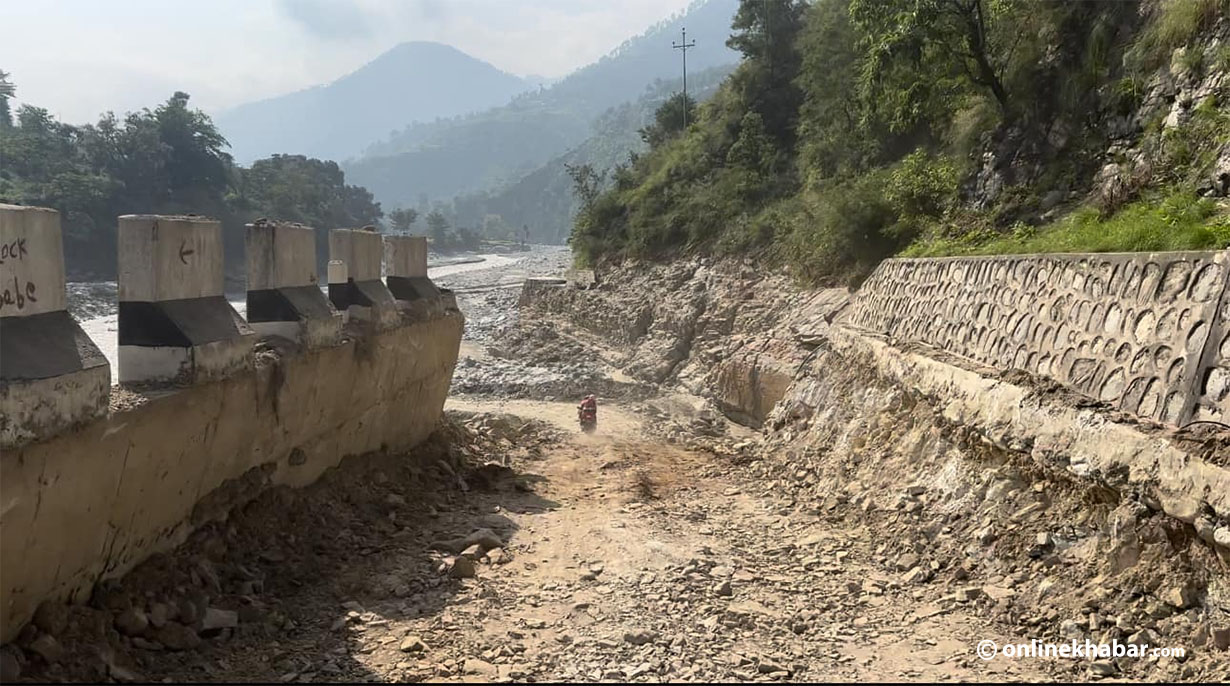
Nepal's public procurement system, the engine for transforming public resources into essential infrastructure like roads, schools, and hospitals, is grappling with significant governance weaknesses. Chronic delays, escalating costs, abandoned projects, and persistent corruption risks have made it a critical area of concern.
Recent government crackdowns on construction firms accused of failing to deliver projects and misusing funds underscore a growing public frustration. However, these actions also reveal a deeper systemic issue: procurement failures are seldom solely the fault of contractors. Instead, they often stem from broader weaknesses in planning, project preparation, oversight, and accountability. For years, contracts were awarded prematurely, before crucial prerequisites like land acquisition, site clearance, or even full budget assurance were met.
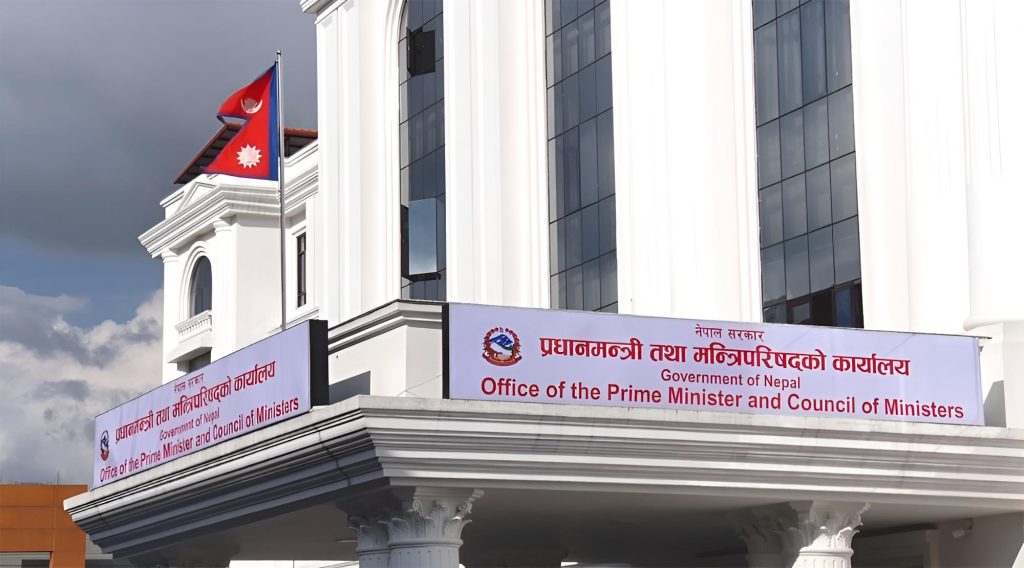
Recognizing these deep-seated problems, the Nepali government has introduced substantial amendments to its Public Procurement framework through a recent ordinance. This reform signals a crucial shift in perspective, moving away from viewing procurement as a mere procedural task towards addressing it as a fundamental governance and implementation challenge. A key change mandates that public contracts can only be awarded after critical preconditions, such as site availability and confirmed budget allocation, are met. This directly tackles a persistent cause of project failure, where contractors were often unfairly blamed for delays caused by governmental shortcomings.
Furthermore, the ordinance proposes the establishment of a dedicated procurement service office. This initiative aims to bolster technical expertise, enhance oversight mechanisms, and professionalize procurement management across various government agencies. These measures acknowledge the reality that procurement failures are frequently symptomatic of underlying weaknesses in public investment management, rather than isolated contractor errors. The reforms collectively seek to ensure that procurement processes commence only when projects are genuinely prepared for implementation, both technically and financially.
DistantNews Editorial
Originally published by OnlineKhabar English. Summarized and contextualized by our editorial team with added local perspective. Read our editorial standards.
More Stories


From Our Blog

What Gets Lost (and Found) When News Is Translated

The Critical Role of Diaspora Media in Global News

What Travellers Should Know About Countries with Restricted Press

A Digital Nomad's Guide to Following Local News

How the Same Story Looks Different in Different Countries
