


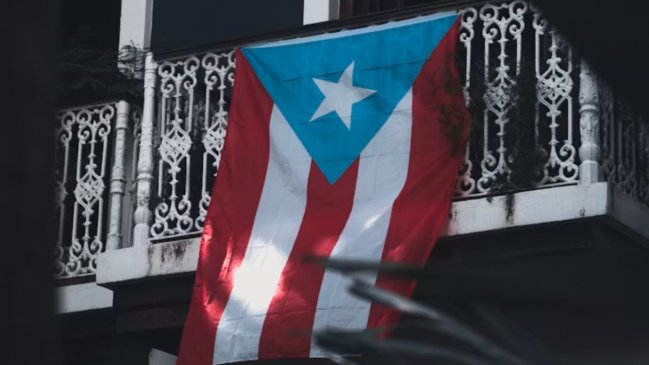
Puerto Rico Governor Calls for U.S. Statehood on July 4th Anniversary
Translated from Spanish, summarized and contextualized by DistantNews.
At a glance
News
Sources not specified
New plan
- Puerto Rico Governor Jenniffer González advocated for statehood during the U.S.'s 250th anniversary celebrations.
- She believes annexation is the best way to honor American principles of equality.
- While statehood is favored in referendums, U.S. Congressional approval is required.
Puerto Rico's Governor Jenniffer González used the 250th anniversary of the United States' founding to strongly advocate for statehood, the island's annexation to the U.S. González declared that there is no better way to honor the principles that birthed the United States than by reaffirming a commitment to equality.
González expressed her conviction that Puerto Rico's strong identity would remain intact regardless of its political status. "We will continue to be the island of music, the island of our culture, the island of our faith, the island of our traditions and of the immense pride we feel in calling ourselves Puerto Ricans," she stated.
The governor's party, the New Progressive Party (PNP), supports annexation. However, other political factions on the island advocate for maintaining the current status as a U.S. Commonwealth or for full independence. Despite several referendums favoring statehood, none have been binding, as final approval rests with the U.S. Congress.
José Aponte Hernández, a representative and former Speaker of the House, echoed the sentiment, highlighting that over three million U.S. citizens residing in Puerto Rico do not yet fully enjoy the political equality proclaimed by the nation's founding principles. He argued that demanding the full application of these principles is not a rejection of the American project but rather a testament to belief in its core values.
DistantNews Editorial
Originally published by Cooperativa in Spanish. Translated, summarized, and contextualized by our editorial team with added local perspective. Read our editorial standards.
More Stories


From Our Blog

What Gets Lost (and Found) When News Is Translated

The Critical Role of Diaspora Media in Global News

What Travellers Should Know About Countries with Restricted Press

A Digital Nomad's Guide to Following Local News

How the Same Story Looks Different in Different Countries
