


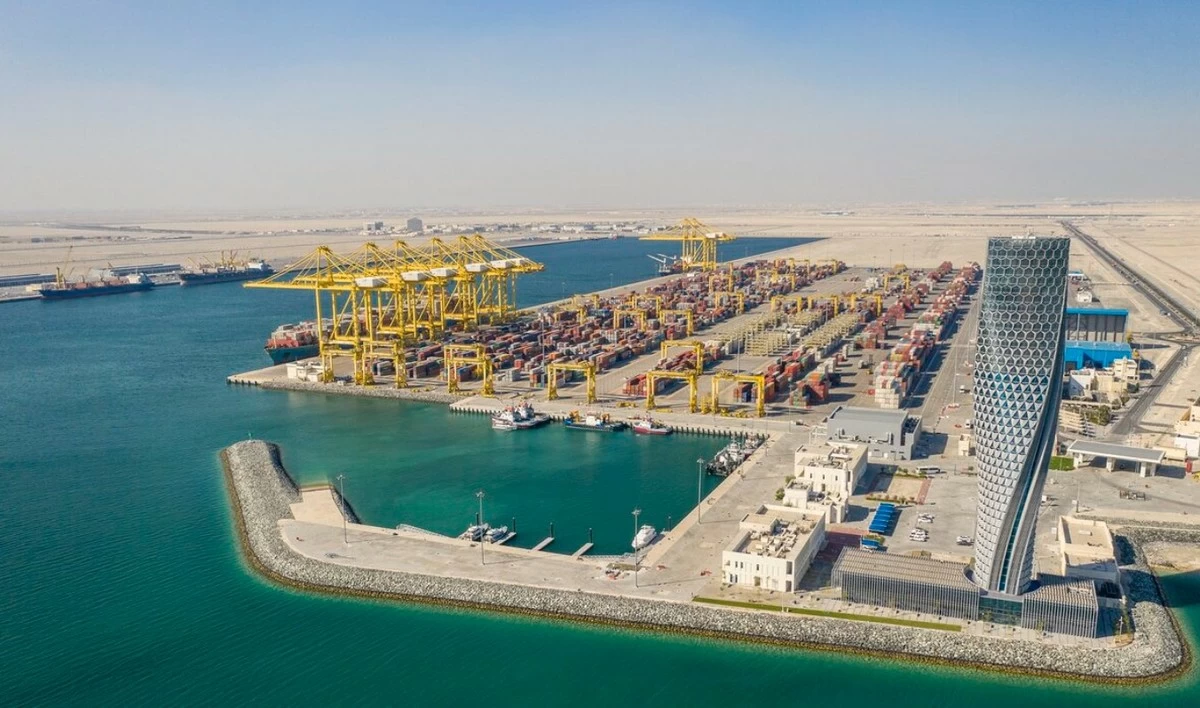
Qatar Fully Resumes Maritime Navigation After Two-Week Suspension Amid Gulf Tensions
Translated from English, summarized and contextualized by DistantNews.
At a glance
News
Official statement
Outcome reported
- Qatar has fully resumed maritime navigation for all vessel types, ending a two-week suspension.
- The suspension was imposed due to heightened security tensions in the Gulf and the Strait of Hormuz.
- The Ministry of Transport announced the resumption without providing further details on the reasons or new measures.
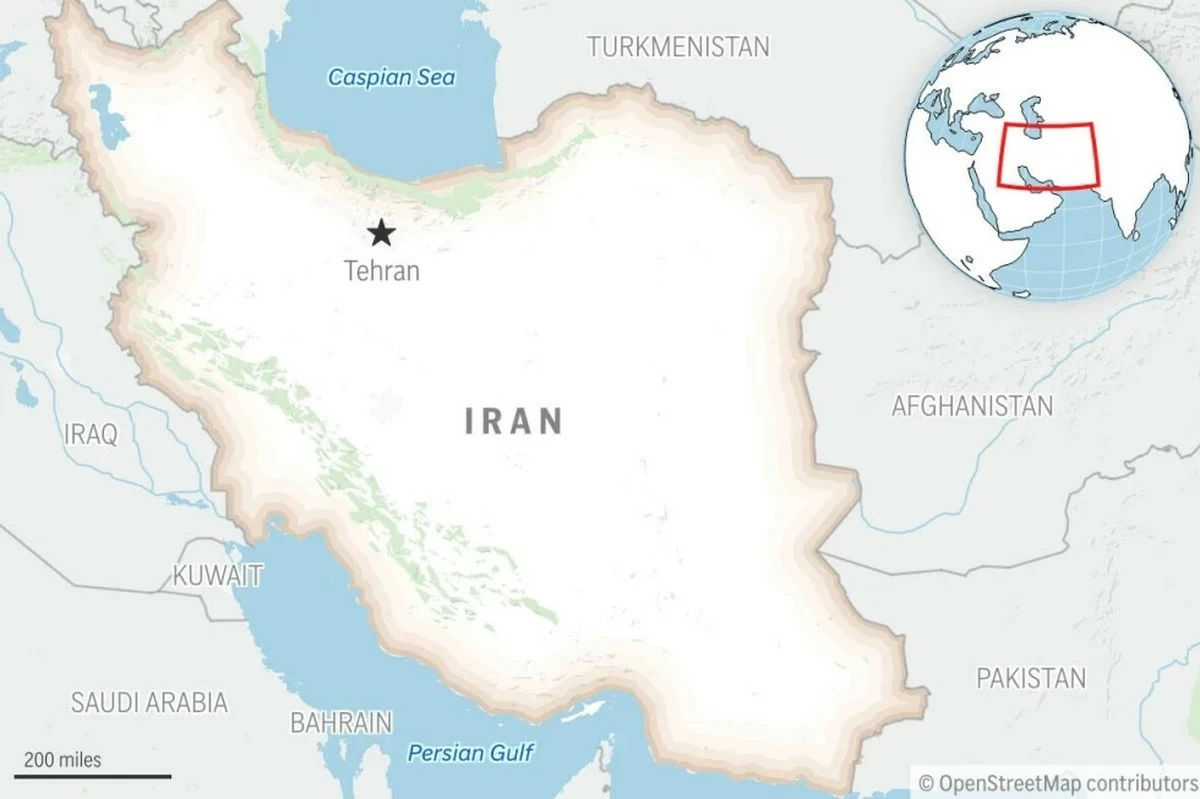
Qatar has fully reinstated maritime navigation activities for all types of vessels, marking the end of a two-week suspension. The halt was initially put in place amid escalating security tensions in the Persian Gulf and the critical Strait of Hormuz.
The Ministry of Transport officially announced the resumption via a statement on the social media platform X. It urged all maritime operators and individuals to adhere strictly to approved regulations and instructions to guarantee the highest standards of safety and security during sea operations.
While the ministry confirmed the resumption, it offered no additional specifics regarding the precise reasons for the initial suspension or any new maritime protocols that might be implemented. Qatar had first suspended navigation on July 12, following an earlier, partial halt on June 29, with limited operations resuming on July 5.
The restrictions coincided with a period of heightened military tensions between the United States and Iran. This regional instability had prompted several international shipping companies to reroute some of their vessels away from the Strait of Hormuz due to significant security concerns. The Strait of Hormuz remains a vital global maritime chokepoint, essential for the transit of a substantial volume of the world's energy shipments.
urging all maritime operators and individuals to comply with approved regulations and instructions to ensure the highest levels of safety and security during sea operations.
DistantNews Editorial
Originally published by Arab Times in English. Translated, summarized, and contextualized by our editorial team with added local perspective. Read our editorial standards.
More Stories

From Our Blog

What Gets Lost (and Found) When News Is Translated

The Critical Role of Diaspora Media in Global News

What Travellers Should Know About Countries with Restricted Press

A Digital Nomad's Guide to Following Local News

How the Same Story Looks Different in Different Countries
