

Qatar, Saudi Pressure Reportedly Led Trump to Halt Iran Strike
Summarized and contextualized by DistantNews.
At a glance
News
Named sources
New plan
- President Donald Trump reportedly halted a planned strike on Iran due to pressure from Qatar and Saudi Arabia.
- The strike was set to target Iranian energy and infrastructure facilities.
- Negotiations for a deal concerning the Strait of Hormuz, including a ceasefire and resuming US-Iran talks, are reportedly nearing completion.
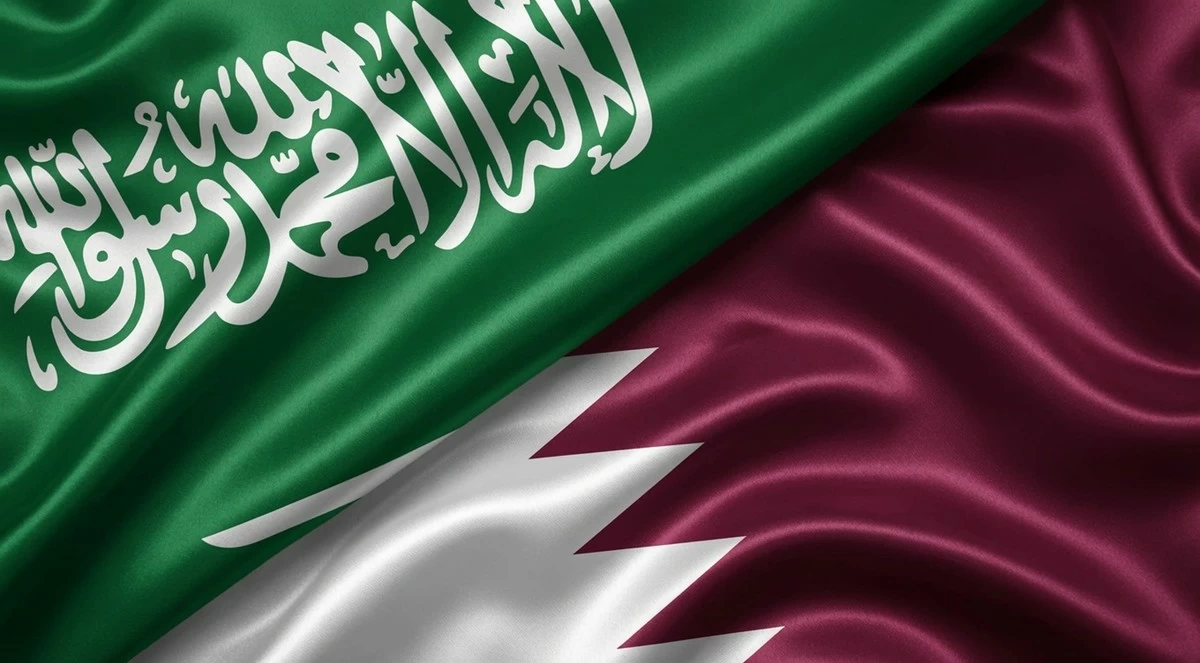
U.S. President Donald Trump called off a planned large-scale military strike against Iran just one day before its scheduled execution, following diplomatic pressure from Qatar and Saudi Arabia, according to Israel's Channel 12, citing senior U.S. officials.
The U.S. Central Command (CENTCOM) had prepared strikes targeting Iran's energy and infrastructure sectors. Israel was expected to participate in the operation, with a senior U.S. official indicating that Israel had conveyed to Washington that the attack would only be effective if it inflicted significant damage on Iran's economic infrastructure and government targets.
Reports suggest that Qatar requested an additional 24 hours from Trump to facilitate ongoing negotiations. Simultaneously, Saudi Crown Prince Mohammed bin Salman reportedly warned that further escalation could ignite a broader regional conflict and endanger oil facilities within Gulf countries.
Amid these developments, negotiations concerning a proposed agreement for the Strait of Hormuz are reportedly close to finalization. This potential deal is said to include the renewal of a ceasefire, maintaining the strait's openness for transit for 60 days without fees, establishing alternative shipping routes, and restarting U.S.-Iran discussions based on a memorandum of understanding. These events unfold against a backdrop of persistent tensions between Washington and Tehran, with regional powers advocating for diplomatic solutions to avert further military escalation.
DistantNews Editorial
Originally published by Arab Times. Summarized and contextualized by our editorial team with added local perspective. Read our editorial standards.
More Stories
From Our Blog

What Gets Lost (and Found) When News Is Translated

The Critical Role of Diaspora Media in Global News

What Travellers Should Know About Countries with Restricted Press

A Digital Nomad's Guide to Following Local News

How the Same Story Looks Different in Different Countries
