


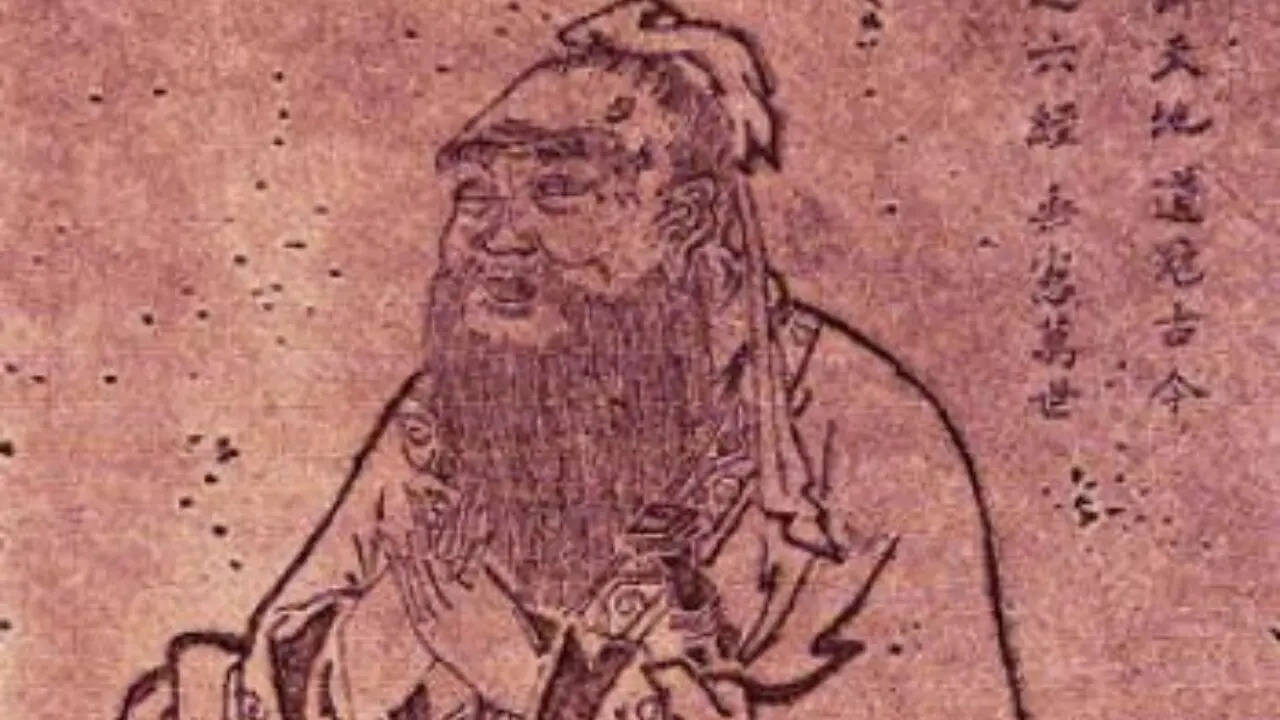
Quote of the day by Chinese philosopher Confucius: “Before you embark on a journey of revenge, dig two graves.”
Summarized and contextualized by DistantNews.
At a glance
In-depth
Sources not specified
Context piece
- Confucius's quote, 'Before you embark on a journey of revenge, dig two graves,' serves as a stark warning about the severe consequences of acting on anger.
- The saying emphasizes that revenge harms not only the target but also the person seeking it, creating a cycle of loss and emotional damage.
- It advises restraint, suggesting that emotional reactions rarely remain contained and often lead to unforeseen negative outcomes for all involved.
The ancient Chinese philosopher Confucius offers a potent warning against revenge with his quote: 'Before you embark on a journey of revenge, dig two graves.' This saying, often shared as a standalone proverb, carries a profound message about the destructive nature of retaliation. It bypasses elaborate philosophical explanations, directly linking the act of revenge to its inevitable, severe cost.
Before you embark on a journey of revenge, dig two graves.
The core meaning of the quote lies in its stark portrayal of consequence. The idea of 'two graves' signifies that the harm caused by revenge is not one-sided. While the intended target suffers, the person initiating the revenge also incurs damage, often in ways that are not immediately apparent. Confucius, known for advocating discipline and restraint, uses this quote to align with his teachings, suggesting that revenge is not a path to restoring balance but rather a generator of further loss.
The meaning of the quote is not really about burial or literal action. It points towards consequence, and more specifically, the cost that comes with revenge.
This warning extends beyond literal interpretation, delving into the emotional landscape of revenge. Such actions typically stem from moments of hurt or anger. The quote subtly redirects attention from the initial injury to the aftermath, highlighting the danger of acting impulsively. It suggests that emotional reactions, once translated into action, rarely stay contained. The 'second grave' symbolizes this expansion of damage, an outcome that builds around the decision to retaliate, even if not immediately visible or direct.
The idea of “two graves” is often read as a way of saying that harm does not stay limited to one direction.
Ultimately, the saying centers on the loss of control that often accompanies revenge. It is rarely a calculated, neutral decision but rather an emotional response. By shifting focus to the broader, often hidden, costs, Confucius provides a timeless caution against letting anger dictate actions, urging a path of restraint instead.
Revenge is usually not a planned or neutral decision. It comes from emotion, often when thinking is compressed by anger or frustra
DistantNews Editorial
Originally published by Times of India. Summarized and contextualized by our editorial team with added local perspective. Read our editorial standards.
More Stories



From Our Blog

What Press Freedom Means for the News You Read

What Gets Lost (and Found) When News Is Translated

The Critical Role of Diaspora Media in Global News

What Travellers Should Know About Countries with Restricted Press

A Digital Nomad's Guide to Following Local News
