


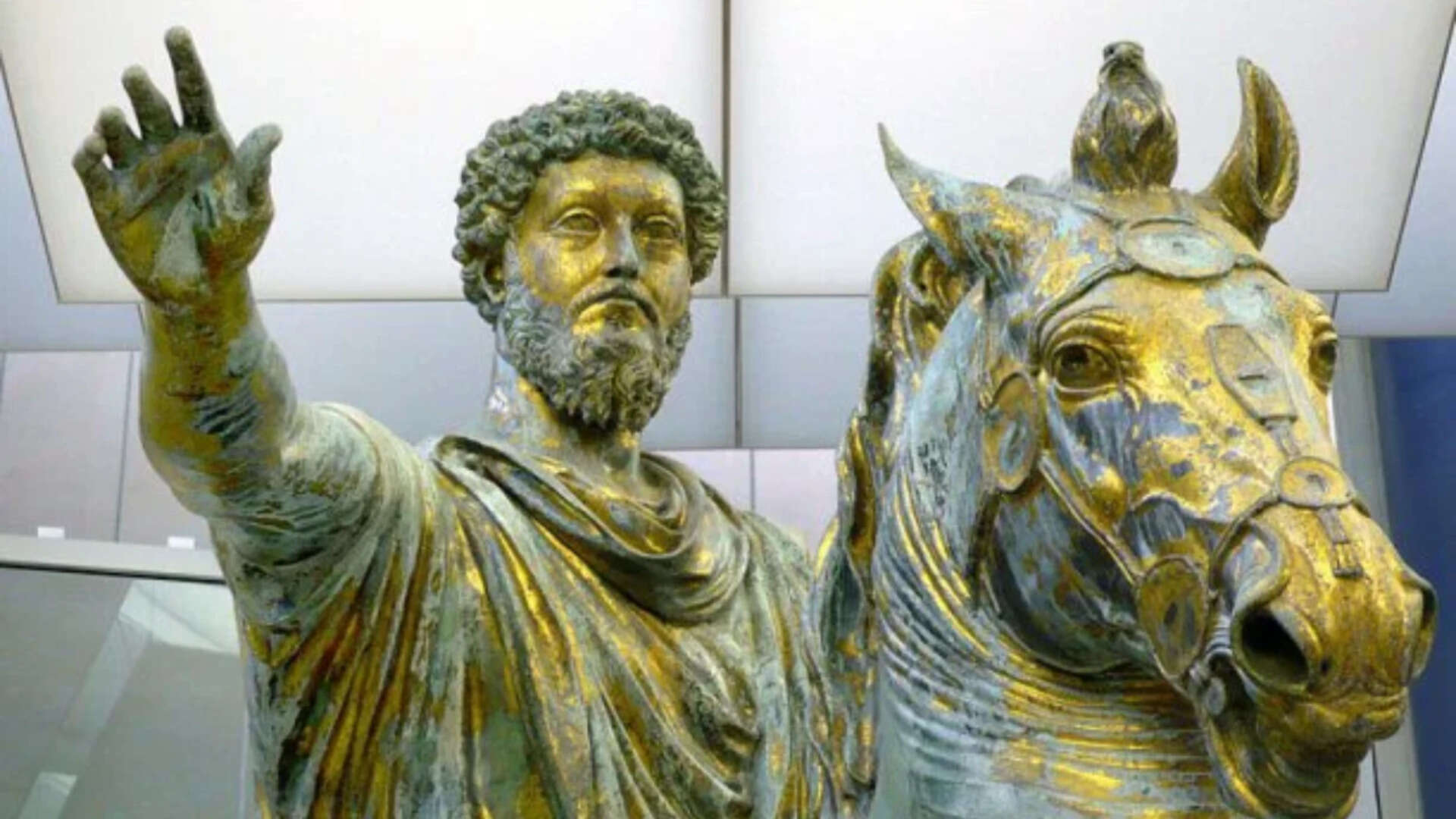
Quote of the day by Marcus Aurelius: 'The only wealth which you will keep forever is the wealth...'
Summarized and contextualized by DistantNews.
At a glance
In-depth
Sources not specified
Context piece
- A saying attributed to Marcus Aurelius, 'The only wealth which you will keep forever is the wealth you have given away,' challenges conventional notions of wealth.
- The quote suggests that material possessions are temporary, while generosity builds lasting character and legacy.
- While widely credited to Aurelius, the exact phrasing closely matches an account of Mark Antony's words, and the concept is also explored by Seneca.
A saying often attributed to the Roman emperor Marcus Aurelius, 'The only wealth which you will keep forever is the wealth you have given away,' offers a profound redefinition of value. This statement contrasts sharply with the common understanding of wealth as something to be accumulated, suggesting instead that true and lasting wealth lies in generosity.
The principle posits that material possessions are fleeting and vulnerable to loss through theft, ruin, or time. In contrast, acts of giving transform resources into enduring aspects of one's character and legacy. This perspective shifts the focus from tangible assets to intangible qualities like social bonds, memory, and moral character, which are presented as impervious to confiscation.
The only wealth which you will keep forever is the wealth you have given away.
While modern sources frequently credit this specific phrasing to Marcus Aurelius's private journal, 'Meditations,' historical analysis suggests a more complex origin. The exact wording bears a strong resemblance to a statement recorded by the ancient biographer Plutarch concerning Mark Antony. Furthermore, the Roman philosopher Seneca the Younger, an influential figure for Aurelius, also articulated similar ideas about the transient nature of hoarded wealth and the permanence of gifts.
Regardless of its precise attribution, the concept formed a cornerstone of Roman civic virtue, particularly for the ruling class. It served as a philosophical counterpoint to the temptations of absolute power and immense wealth, encouraging a focus on enduring values over temporary gains.
I have whatever I have given.
DistantNews Editorial
Originally published by Times of India. Summarized and contextualized by our editorial team with added local perspective. Read our editorial standards.
More Stories



From Our Blog

What Press Freedom Means for the News You Read

What Gets Lost (and Found) When News Is Translated

The Critical Role of Diaspora Media in Global News

What Travellers Should Know About Countries with Restricted Press

A Digital Nomad's Guide to Following Local News
