


Quote of the day by Napoleon Bonaparte: 'The throne is only a piece of wood...'
Summarized and contextualized by DistantNews.
At a glance
Analysis
Sources not specified
Context piece
- Napoleon Bonaparte asserted that a ruler's power stems from public belief, not the symbols of authority like a throne.
- He understood his legitimacy was built on military success and public perception, not inherited right.
- This concept of power derived from shared belief echoes political theories by Hobbes and Hume, emphasizing public confidence for governance.
Napoleon Bonaparte, facing legislative opposition and military setbacks in 1814, articulated a profound understanding of political power: it resides not in the trappings of office, but in the collective imagination of the people. "What is the throne?" he questioned, dismissing it as "a piece of wood covered with velvet." For Napoleon, the throne itself held no inherent power; its authority was granted by the populace's belief in the ruler.
What is the throne? A piece of wood covered with velvet.
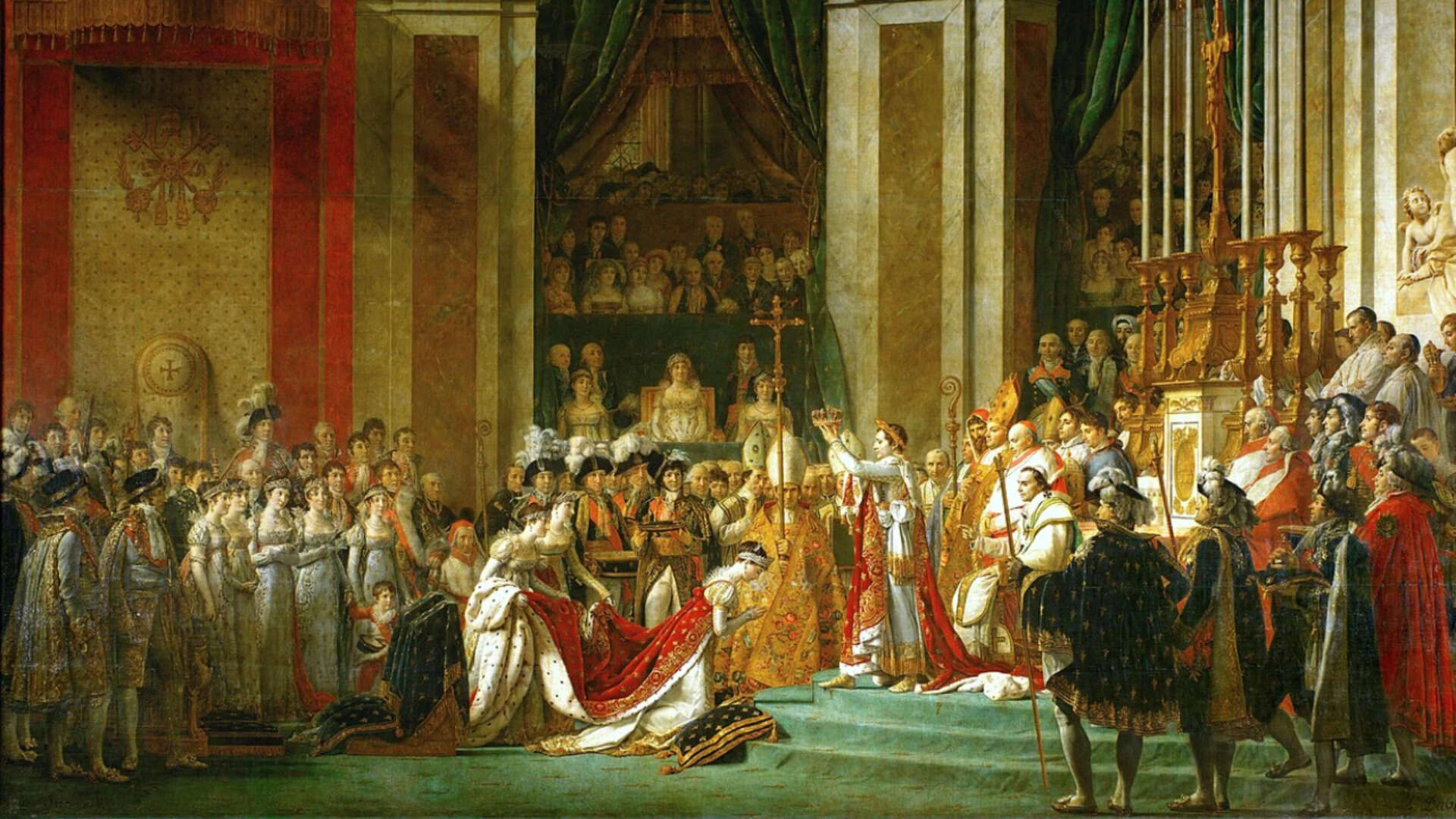
Napoleon's own rise to power underscored this principle. Unlike hereditary monarchs, he forged his legitimacy through military triumphs, legal reforms, and carefully orchestrated public spectacles. His 1804 coronation, famously depicted by Jacques-Louis David, showed Napoleon crowning himself, a deliberate message that his authority stemmed from his own achievements rather than divine right or papal endorsement.
By January 1814, however, Napoleon's carefully constructed image of strength was eroding. The disastrous invasion of Russia had tarnished the army's reputation, and advancing enemy forces heightened pressure for peace. When the Corps législatif demanded concessions, Napoleon rejected them, acutely aware that his rule depended on maintaining the perception of an unshakeable protector. Should that belief falter, his throne, as he himself noted, would indeed be reduced to mere wood and velvet.
What gives it power is the imagination of men.
This notion of power being contingent on public confidence aligns with earlier political philosophies. Thomas Hobbes, in "Leviathan," posited that governments arise from a social contract where citizens cede authority for order and protection. David Hume later emphasized that even the most powerful rulers rely on public opinion and the perceived legitimacy of their authority, as force alone is insufficient to govern. Napoleon's practical grasp of this concept highlighted that institutions, laws, and armies function effectively only when underpinned by a shared belief in their purpose and the ruler's right to command.
If people stop believing, the symbols of power lose their meaning. A throne becomes just wood and cloth. An empire can collapse when public confidence disappears.
DistantNews Editorial
Originally published by Times of India. Summarized and contextualized by our editorial team with added local perspective. Read our editorial standards.
More Stories

A 67-million-year-old T. rex discovered on a South Dakota ranch has sold for $50.1 million, becoming…

Meet Julia Butterfly Hill: The 23-year-old woman who climbed a 1,000-year-old tree and stayed there …

'Swastika connects India and Azerbaijan': Indian diplomat invokes ancient symbol amid strained ties
From Our Blog

What Press Freedom Means for the News You Read

What Gets Lost (and Found) When News Is Translated

The Critical Role of Diaspora Media in Global News

What Travellers Should Know About Countries with Restricted Press

A Digital Nomad's Guide to Following Local News
