

Quote on legacy misattributed to Roman Emperor Augustus actually from Neil Gaiman comic
Translated from English, summarized and contextualized by DistantNews.
At a glance
In-depth
Sources not specified
Context piece
- A quote often attributed to Roman Emperor Augustus, about leaving a mark on the world, actually originates from Neil Gaiman's comic book series The Sandman.
- The fictional Augustus in Gaiman's work reflects on the impermanence of achievements, despite his historical legacy.
- The quote explores themes of human ambition, the fleeting nature of legacy, and the passage of time, connecting to ancient ideas of memento mori and impermanence.
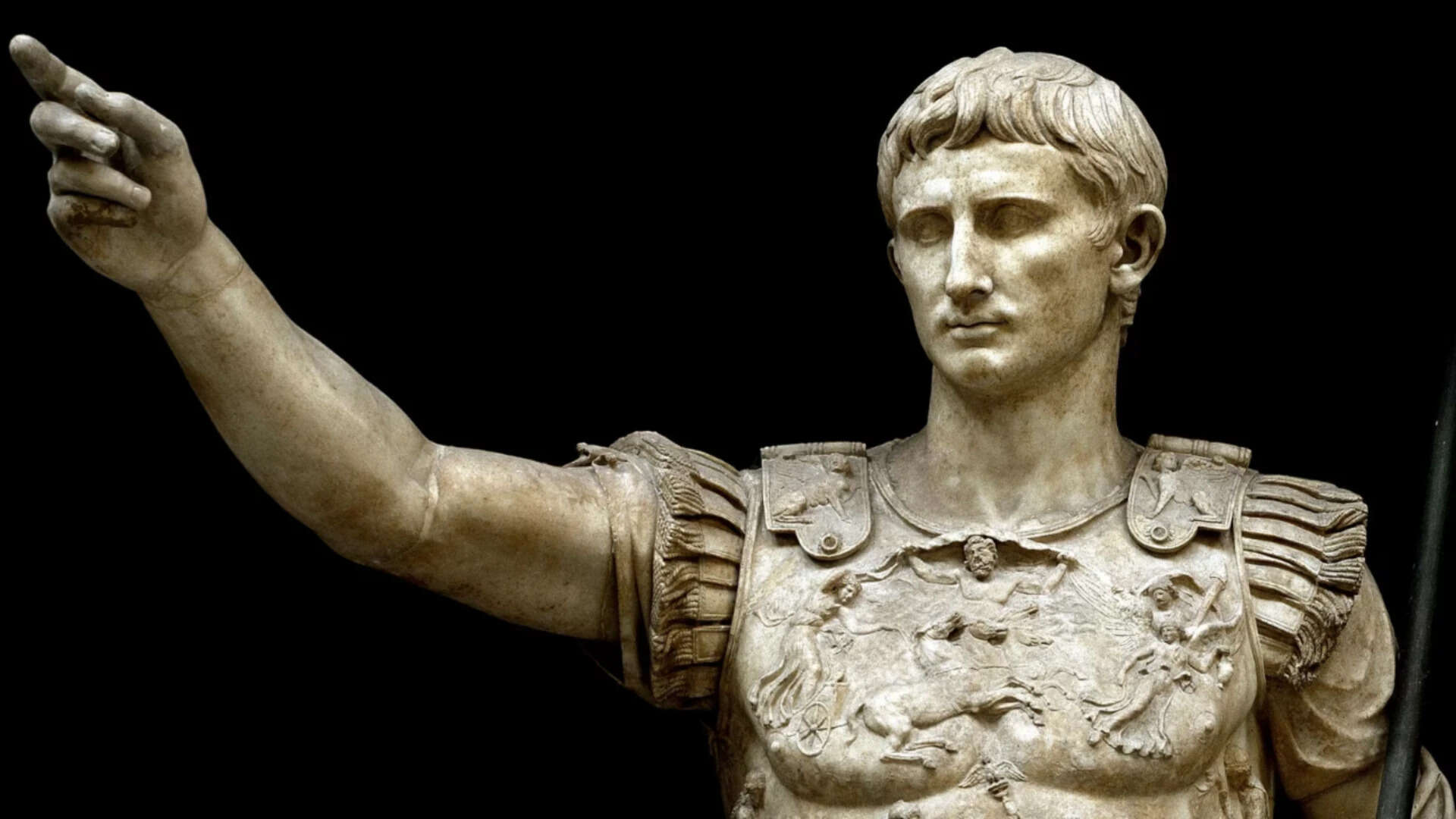
The enduring human desire to leave a mark is powerfully captured in a quote often misattributed to Roman Emperor Augustus Caesar. "We write our names in the sand, and then the waves roll in and wash them away," the saying goes, expressing a deep truth about the ephemeral nature of human ambition and legacy.
However, historical records show no evidence that Augustus himself ever uttered or wrote these words. The quote's true origin lies in modern literature, specifically in Neil Gaiman's acclaimed comic book series, The Sandman. It appears in Issue 30, "August," published in 1991.
We write our names in the sand: and then the waves roll in and wash them away.
In Gaiman's narrative, a fictionalized Augustus, disguised as a beggar, contemplates the weight of his power and the inevitability of decline. When his companion notes that a month was renamed "August" in his honor, the emperor muses, "That will not last." He then delivers the poignant line about writing names in the sand, but adds a crucial distinction: "But we can leave things behind us. I am leaving an empire."
By placing this reflective and uncertain statement in the mouth of the founder of the Pax Romana, Gaiman highlights a hidden fear even the most powerful individuals experience – the dread that all human accomplishments may eventually vanish. This sentiment echoes ancient philosophical concepts like memento mori, a reminder of mortality, and the Eastern idea of impermanence, underscoring that time remains the only constant.
That will not last. In another decade this month will probably be called Tiberius... We write our names in the sand; and then the waves roll in and wash them away. But we can leave things behind us. I am leaving an empire.
DistantNews Editorial
Originally published by Times of India in English. Translated, summarized, and contextualized by our editorial team with added local perspective. Read our editorial standards.
More Stories



From Our Blog

What Press Freedom Means for the News You Read

What Gets Lost (and Found) When News Is Translated

The Critical Role of Diaspora Media in Global News

What Travellers Should Know About Countries with Restricted Press

A Digital Nomad's Guide to Following Local News
