

/s3/static.nrc.nl/wp-content/uploads/2026/07/25092954/FRANCE-ENVIRONMENT-CLIMATE-WEATHER-WILDFIRE_76041573.jpg)
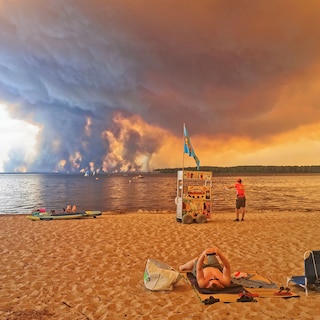
Rare firestorms make French wildfires extremely difficult to extinguish
Translated from Dutch, summarized and contextualized by DistantNews.
At a glance
News
Sources not specified
Ongoing story
- Wildfires in France are proving difficult to extinguish due to rare firestorms.
- The article explains the phenomenon of pyrocumulonimbus clouds, which intensify fires.
- These extreme weather events pose significant challenges for firefighting efforts.
Wildfires currently raging in France are exceptionally difficult to combat, largely due to the rare and intense phenomenon of firestorms. These extreme events create conditions that significantly hamper firefighting operations and accelerate the spread of flames. At the heart of the difficulty lies the formation of pyrocumulonimbus clouds. These are not typical storm clouds; they are towering cumulonimbus clouds formed by the intense heat of a large fire. The heat generated by the fire is so powerful that it draws in surrounding air, causing it to rise rapidly and condense, forming these massive cloud structures. Within these clouds, extreme updrafts can occur, similar to those in powerful thunderstorms. These fire-generated clouds can produce their own weather, including lightning, which can spark new fires, and strong, erratic winds. The intense updrafts can also loft burning embers high into the atmosphere, carrying them miles away from the main fire front and igniting new blazes in unburned areas. This self-sustaining cycle makes containment incredibly challenging for emergency services. Firefighters face a dual threat: the fire itself and the unpredictable, violent weather systems it creates. The scale and intensity of these pyrocumulonimbus events mean that traditional firefighting methods are often insufficient. Managing these complex and dangerous situations requires specialized strategies and a deep understanding of the atmospheric dynamics at play.
DistantNews Editorial
Originally published by De Volkskrant in Dutch. Translated, summarized, and contextualized by our editorial team with added local perspective. Read our editorial standards.
More Stories


/s3/static.nrc.nl/wp-content/uploads/2026/07/09174540/140726BIN_2034203903_tZandt03.jpg)
From Our Blog

What Gets Lost (and Found) When News Is Translated

The Critical Role of Diaspora Media in Global News

What Travellers Should Know About Countries with Restricted Press

A Digital Nomad's Guide to Following Local News

How the Same Story Looks Different in Different Countries
