

RBI Governor: Watchful of inflation trajectory amid fuel price, monsoon risks
Translated from English, summarized and contextualized by DistantNews.
At a glance
News
Sources not specified
Context piece
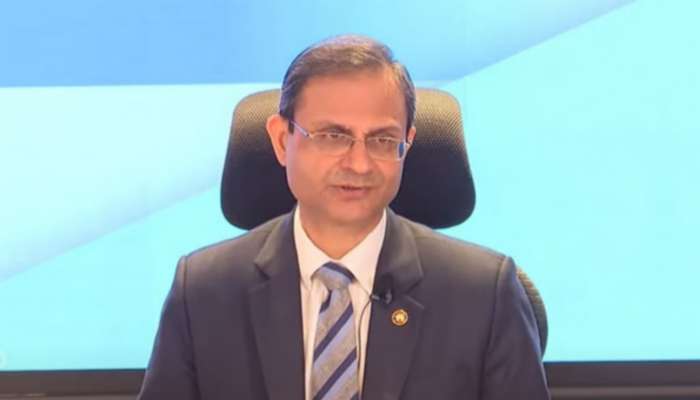
- The Reserve Bank of India Governor Sanjay Malhotra stated the Monetary Policy Committee must monitor inflation, particularly due to anticipated fuel price increases.
- He noted that while food prices look favorable short-term, El Nino risks have heightened concerns about a poor monsoon.
- The MPC maintained the repo rate at 5.25% and kept a neutral stance, with the Governor advocating a
Reserve Bank of India Governor Sanjay Malhotra emphasized the need for vigilance regarding inflation, especially with upcoming fuel price adjustments.
"We need to be watchful of the inflation trajectory. Going forward, revision in retail prices of petrol and diesel in May would lead to higher fuel inflation in the coming months," Malhotra stated in the minutes of the Monetary Policy Committee meeting. He highlighted that despite a favorable near-term outlook for food prices, the risks associated with El Nino have increased the possibility of a poor monsoon.
We need to be watchful of the inflation trajectory. Going forward, revision in retail prices of petrol and diesel in May would lead to higher fuel inflation in the coming months.
The Monetary Policy Committee decided to maintain the status quo, keeping the repo rate unchanged at 5.25% during its June 5 policy announcement. The Governor expressed a preference for a "wait and watch" approach, voting for the current policy rate and a neutral stance. His policy decisions are influenced by the evolving geopolitical situation in West Asia and the potential impact of an inadequate monsoon.
For the fiscal year 2026-27, the MPC revised its inflation projection upward to 5.1%, with a peak forecast of 5.9% in the third quarter. Economic growth for the current fiscal year was slightly reduced to 6.6% from the earlier 6.9% projection. Malhotra pointed out uncertainties in these projections, citing the West Asia conflict and monsoon intensity as key factors that could influence future inflation and growth. He also noted that while headline inflation is projected to be high, core inflation is expected at 4.7%, falling further if metals are excluded. He suggested that the projected increase in headline inflation is largely driven by supply-side factors in food and fuel and may not necessarily lead to generalized price increases.
I would prefer to go with a "wait and watch" approach.
DistantNews Editorial
Originally published by Times of Oman in English. Translated, summarized, and contextualized by our editorial team with added local perspective. Read our editorial standards.
More Stories
From Our Blog

What Gets Lost (and Found) When News Is Translated

The Critical Role of Diaspora Media in Global News

What Travellers Should Know About Countries with Restricted Press

A Digital Nomad's Guide to Following Local News

How the Same Story Looks Different in Different Countries
