


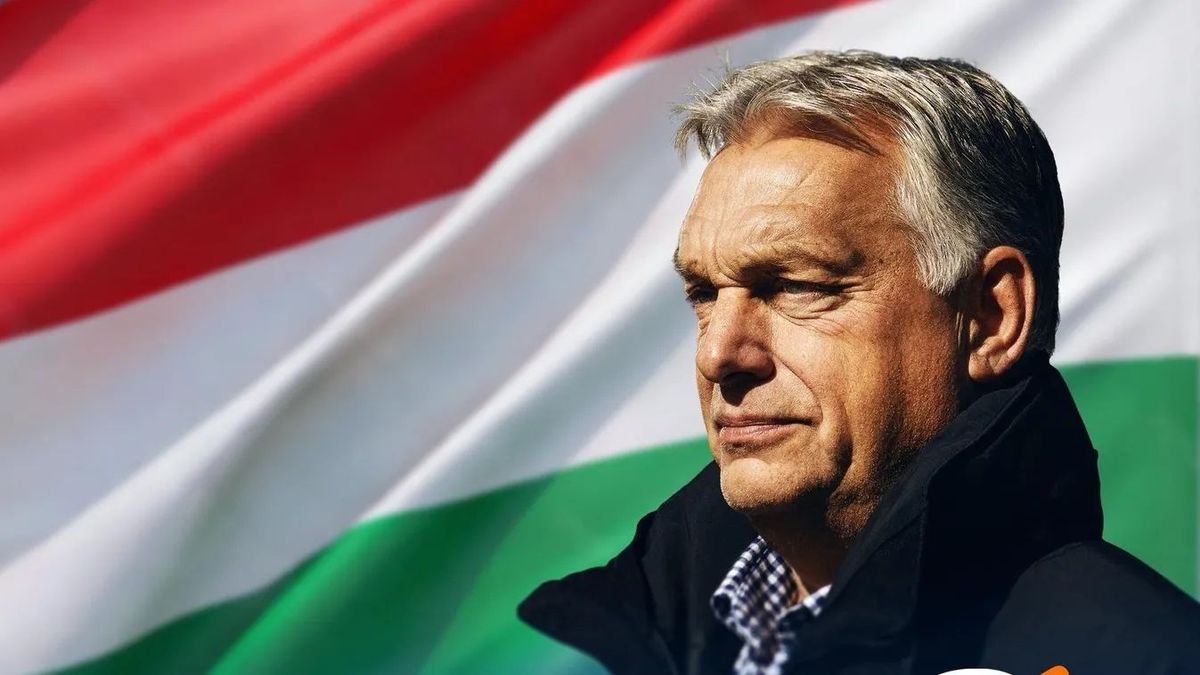
Re-planning on the right: What could Fidesz's congress bring?
Translated from Hungarian, summarized and contextualized by DistantNews.
At a glance
Analysis
Sources not specified
Context piece
- Fidesz, Hungary's ruling party, is holding a significant congress following a severe election defeat, aiming to demonstrate strength and unity.
- Party members and observers expect a comprehensive self-critical assessment from leadership, going beyond initial broad statements of responsibility.
- There is a call for more honest communication, a focus on digital engagement, and the identification of credible spokespeople to counter new political movements.
Fidesz, the ruling party in Hungary, is convening a congress that is being described as highly significant, if not decisive, following a substantial electoral defeat. The gathering aims to project strength and unity for a party organization and supporter base that has reportedly fallen into lethargy and shown signs of fragmentation. The congress is expected to address not only routine leadership renewals but also to chart a path forward and demonstrate resilience.
Within Fidesz's local branches and its wider circle of influence, there is a strong expectation for a thorough self-assessment from the party leadership. Many believe that any new political direction or initiative must be rooted in honest communication and a clear identification of past mistakes. This sentiment goes beyond the initial, relatively brief political statements and general acceptance of responsibility made by figures like Prime Minister Viktor Orbán immediately after the election loss.
Furthermore, there is a recognized need for Fidesz to adapt its communication strategies. Some within the party's orbit suggest that effective opposition to what they term "spectacle politics" requires a party that can react swiftly, convincingly, and visibly in the digital sphere. The era of traditional posters is seen as over, replaced by a demand for concise, impactful messages. There is also a push to find charismatic figures within Fidesz who can effectively engage with younger demographics, potentially by embracing influencer-style communication, to connect with future voters.
Discussions also touch upon the need to continuously defend the party's record. One perspective highlights that former President János Áder had urged Fidesz to proactively address criticisms, particularly regarding the use of public funds, emphasizing that the country has undergone significant development over the past sixteen years. The argument is made that the narrative should focus on a period of flourishing rather than one of corruption, using examples like Budapest's ability to host major events such as the Champions League final as evidence of successful governance.
DistantNews Editorial
Originally published by Magyar Nemzet in Hungarian. Translated, summarized, and contextualized by our editorial team with added local perspective. Read our editorial standards.
More Stories

From Our Blog

Countries Without a Free Press: What You Need to Know

What Press Freedom Means for the News You Read

What Gets Lost (and Found) When News Is Translated

The Critical Role of Diaspora Media in Global News

What Travellers Should Know About Countries with Restricted Press
