


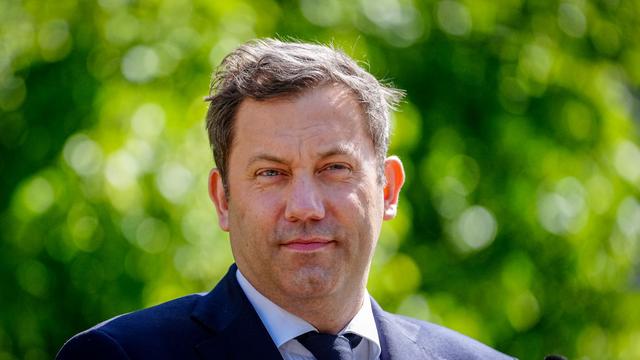
Reaction to fierce criticism: Klingbeil withdraws tax plans for associations
Translated from German, summarized and contextualized by DistantNews.
At a glance
News
Named sources
Outcome reported
- German Finance Minister Lars Klingbeil withdrew controversial tax plans for associations after facing strong criticism.
- The original proposal aimed to lower the tax-free threshold for associations from 5,000 euros to 1,000 euros.
- Klingbeil stated the criticism was taken seriously and the relevant clauses would be removed from the draft law.
German Finance Minister Lars Klingbeil has withdrawn his controversial tax proposals for associations following significant public backlash.
Klingbeil, also the leader of the Social Democratic Party (SPD), announced that the relevant clause would be removed from the draft law. He explained that the intention was never to target small, volunteer-run associations but rather economic associations and federations. "However, through the public debate of the past few days, the impression has arisen that we want to make things difficult for the thousands of volunteers in our associations," Klingbeil told the German Press Agency (dpa), adding that he takes this criticism seriously.
Originally, Klingbeil's plan proposed lowering the tax-free threshold for taxable associations from 5,000 euros to 1,000 euros. Income up to 1,000 euros would have remained tax-free, but any profits exceeding that amount would have made the entire income taxable. This change would not have affected non-profit associations, such as small sports clubs, music groups, environmental and animal welfare organizations, and volunteer fire departments, which are exempt from most taxes due to their recognized non-profit status.
Klingbeil also addressed criticism regarding the planned income tax reform, where opposition politicians accused him of providing less relief to citizens than promised. He firmly refuted these claims, stating, "We are implementing the decision of the coalition committee 1:1." Klingbeil assured that the promised relief of ten billion euros would be achieved by 2028. He acknowledged having made more extensive proposals but emphasized the importance of swift implementation of the reform.
DistantNews Editorial
Originally published by Die Zeit in German. Translated, summarized, and contextualized by our editorial team with added local perspective. Read our editorial standards.
More Stories


From Our Blog

What Gets Lost (and Found) When News Is Translated

How the Same Story Looks Different in Different Countries

The Critical Role of Diaspora Media in Global News

What Travellers Should Know About Countries with Restricted Press

A Digital Nomad's Guide to Following Local News
