


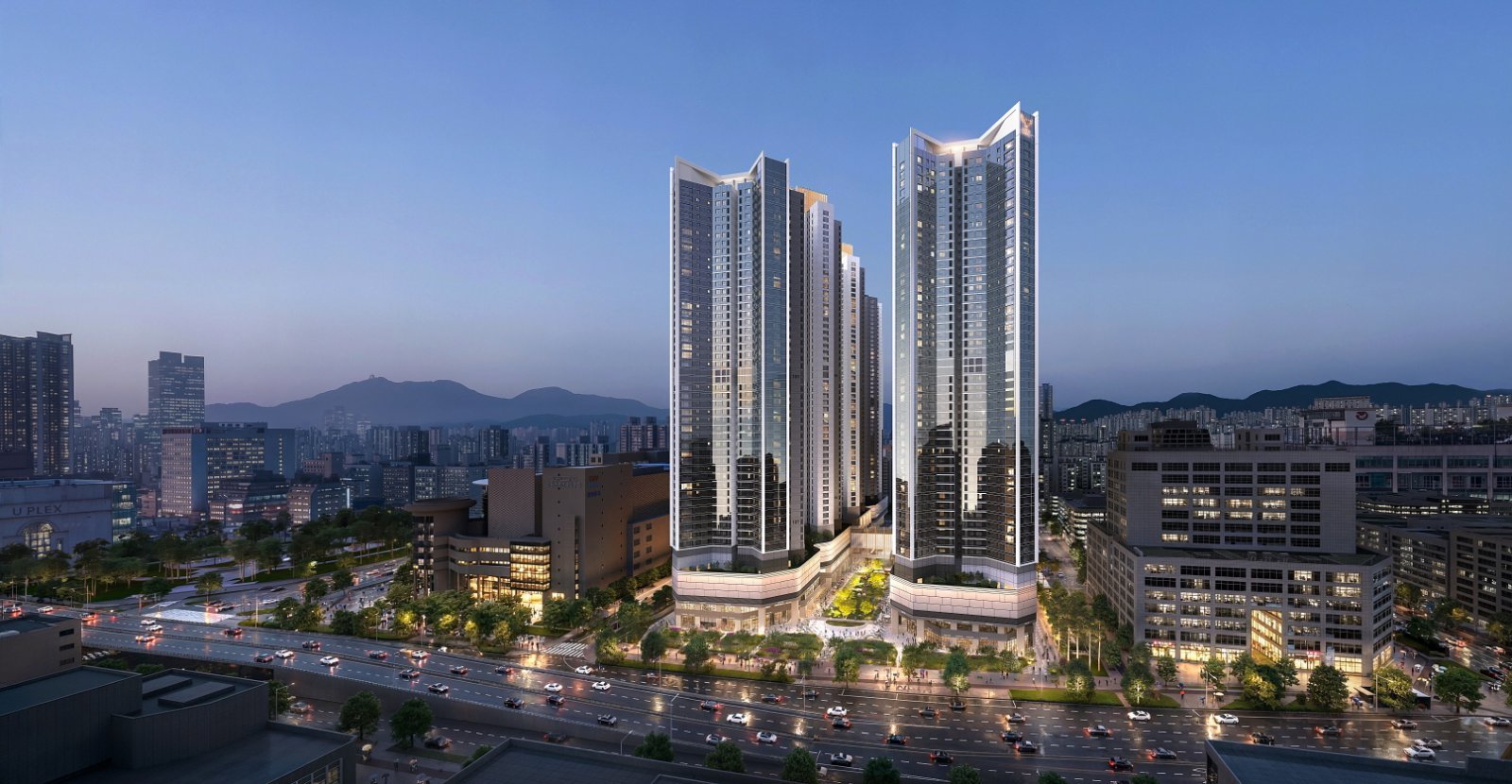
Real estate regulations expand in Seoul metropolitan area, boosting non-regulated zones
Translated from Korean, summarized and contextualized by DistantNews.
At a glance
News
Sources not specified
New plan
- South Korea's government has expanded real estate regulations to 40 areas in the Seoul metropolitan region.
- This expansion is expected to drive property transactions in non-regulated areas, similar to past trends.
- New housing developments in these less restricted zones are attracting attention from potential buyers.
South Korea's government has expanded its real estate regulations, designating three additional areas in Gyeonggi Province as restricted zones. This brings the total number of regulated areas in the Seoul metropolitan region to 40. The move is being closely watched to see if it will redirect property demand to unregulated areas, a phenomenon observed after previous policy announcements.
Industry experts note that past government measures have often led to a "balloon effect," where demand shifts to areas outside the regulatory scope. For example, in the 30 days following the October 15th real estate measures last year, apartment sales in non-regulated Gyeonggi areas surged by 68.8%. Hwaseong City saw the largest increase, followed by Goyang, Namyangju, Yongin's Giheung district, Guri, and Bucheon.
With Dongtan District in Hwaseong, Giheung District in Yongin, and Guri now under stricter rules, attention is turning to other non-regulated areas near Seoul or those with good transportation networks, such as Goyang, Namyangju, Bucheon, and Gimpo. In the southern Seoul metropolitan area, Gwonsun District in Suwon is also being considered.
Regulated areas impose stringent requirements, including a two-year waiting period for housing subscription accounts and restrictions on previous lottery winners. Non-regulated areas offer more flexibility, with no such limitations on past winning history. Additionally, non-regulated areas allow for a lower down payment of 5% and permit up to two mid-term loan guarantees per household, compared to one in regulated zones. This has led to increased interest in new apartment projects launching this month in these less restricted areas.
DistantNews Editorial
Originally published by Dong-A Ilbo in Korean. Translated, summarized, and contextualized by our editorial team with added local perspective. Read our editorial standards.
More Stories


From Our Blog

What Gets Lost (and Found) When News Is Translated

The Critical Role of Diaspora Media in Global News

What Travellers Should Know About Countries with Restricted Press

A Digital Nomad's Guide to Following Local News

How the Same Story Looks Different in Different Countries
