

Real Match Climax Approaches: Ten Teams Vie for Remaining Five Spots
Translated from Hungarian, summarized and contextualized by DistantNews.
At a glance
News
Sources not specified
Context piece
- Brazil and Morocco are well-positioned to advance from Group C in the Football World Cup with four points each.
- Both teams aim for victory in their final group matches to potentially secure an easier path in the knockout stage.
- Brazil faces Scotland, while Morocco plays against already-eliminated Haiti.
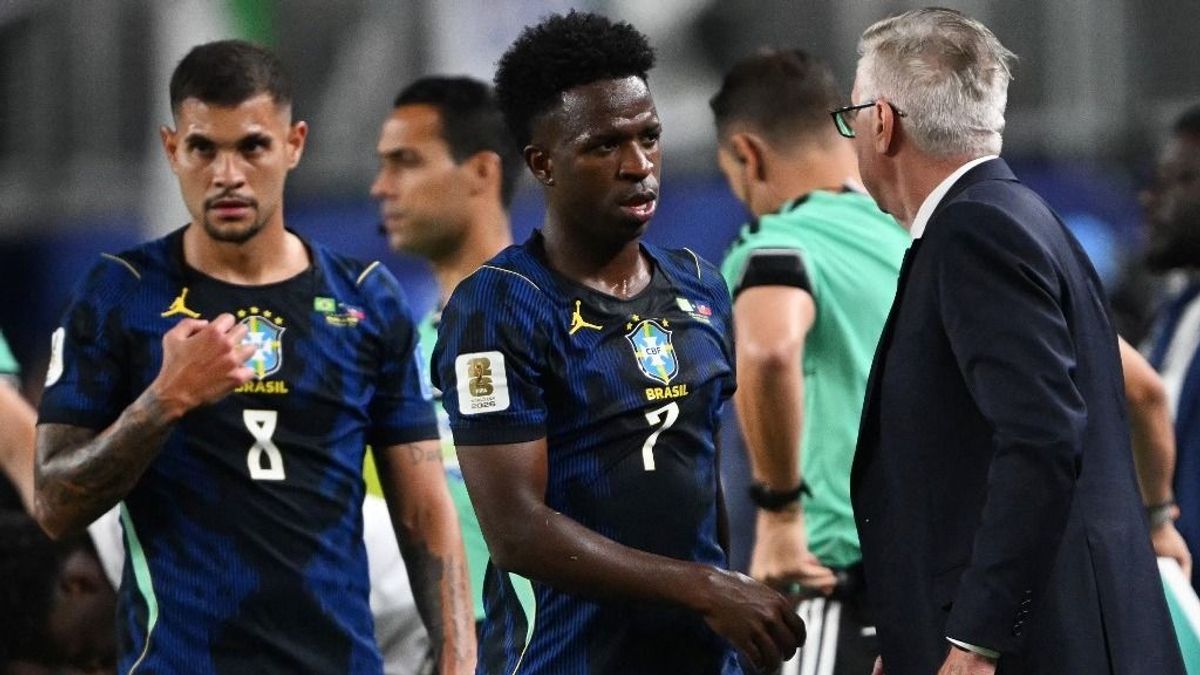
The FIFA World Cup's Group C is heading into its final round with both five-time champions Brazil and last tournament's quarter-finalists Morocco in strong positions. Each team sits on four points, setting the stage for crucial final group matches.
Brazil, led by Carlo Ancelotti, will face Scotland in Miami. While the crowd might favor the European side, Brazil is expected to dominate on the field. Historically, Brazil has a strong record against Scotland in World Cup encounters, with three wins and one draw in their four previous meetings. Scotland has never advanced past the group stage in a major tournament, though mathematically, they could still progress even with a loss.
Meanwhile, Morocco will play against Haiti, whose national team includes Ferencváros player Lenny Joseph. Haiti has already been eliminated from the tournament. Morocco will be looking to secure a win to potentially finish at the top of the group, which could offer a more favorable draw in the knockout stages.
The standings show Canada and Switzerland leading Group B with four points each, followed by Bosnia-Hercegovina and Qatar with one point. In Group C, Brazil and Morocco lead with four points, with Scotland on three and Haiti on zero. Group A sees Mexico leading with six points, South Korea with three, Czech Republic with one, and South Africa with one.
DistantNews Editorial
Originally published by Magyar Nemzet in Hungarian. Translated, summarized, and contextualized by our editorial team with added local perspective. Read our editorial standards.
More Stories

From Our Blog

Countries Without a Free Press: What You Need to Know

What Press Freedom Means for the News You Read

What Gets Lost (and Found) When News Is Translated

The Critical Role of Diaspora Media in Global News

What Travellers Should Know About Countries with Restricted Press
