


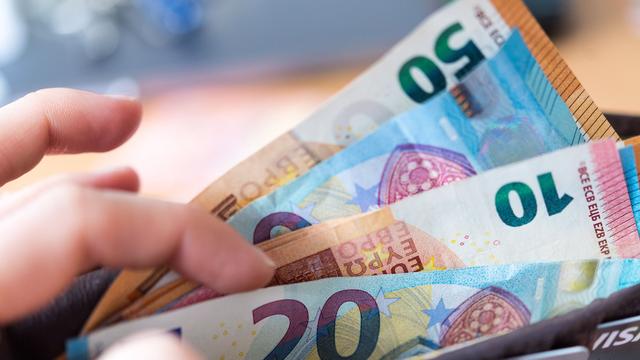
Real Wages in Germany Continue to Rise, Boosting Purchasing Power
Translated from German and summarized by DistantNews. Read the original for the full story.
At a glance
News
From a news agency
Context piece
- Real wages in Germany have increased for several consecutive quarters, outpacing inflation and boosting purchasing power.
- In the second quarter of 2026, employees saw a 1.5% rise in real disposable income compared to the previous year.
- While positive, the gains are modest when compared to pre-crisis levels, and low-income earners have benefited most from the minimum wage increase.
For several quarters now, wages in Germany have been growing at a faster pace than inflation, a trend that significantly enhances the purchasing power of the population. The latest figures from the Federal Statistical Office reveal that in the second quarter of 2026, employees had 1.5% more real disposable income than in the same period of the previous year. This follows a 1.8% increase in real wages during the first quarter.
This sustained growth marks a positive turn, as the last recorded real wage loss occurred in the first quarter of 2023. Malte Lübker from the WSI Tariffarchiv at the Hans Böckler Foundation noted that rising real wages are good news for both employees and the economy. However, he cautioned that comparing to the previous year might obscure the significant erosion of purchasing power that occurred due to high inflation in prior periods.
When compared to the second quarter of 2019, before the onset of various crises, real wages have only seen a modest increase of 0.6%. During the April to June period of 2026, nominal wages rose by 4.1%, while consumer prices increased by 2.5%. This indicates a continued, albeit moderate, improvement in real earnings.
When the real wages grow, that is a good news - for the employees, but also for the economy.
Certain sectors experienced above-average nominal wage increases, including agriculture, forestry, and fishing (up 8.9%), energy supply (up 7.6%), and the financial and insurance sectors (up 7.5%). Conversely, sectors like arts and entertainment (up 3.4%), education and teaching (up 2.4%), and professional, scientific, and technical services (up 1.8%) saw lower increases.
The increase in the statutory minimum wage to 13.90 euros per hour at the beginning of the year has particularly benefited low-income earners. The lowest fifth of full-time employees recorded the most substantial earnings increases, averaging 6.7%. Apprentices saw a nominal wage increase of 6.0%, and marginally employed individuals earned 4.7% more compared to the previous year.
The comparison with the previous year's quarter, however, masks the fact that the purchasing power of employees had previously suffered severe losses due to high inflation.
About this summary
Originally published by Die Zeit in German. Translated, summarized, and contextualized automatically by DistantNews, with a note on how the source frames the story. Not individually reviewed before publishing. How this works.
More Stories


From Our Blog

What Gets Lost (and Found) When News Is Translated

How the Same Story Looks Different in Different Countries

The Critical Role of Diaspora Media in Global News

What Travellers Should Know About Countries with Restricted Press

A Digital Nomad's Guide to Following Local News
