


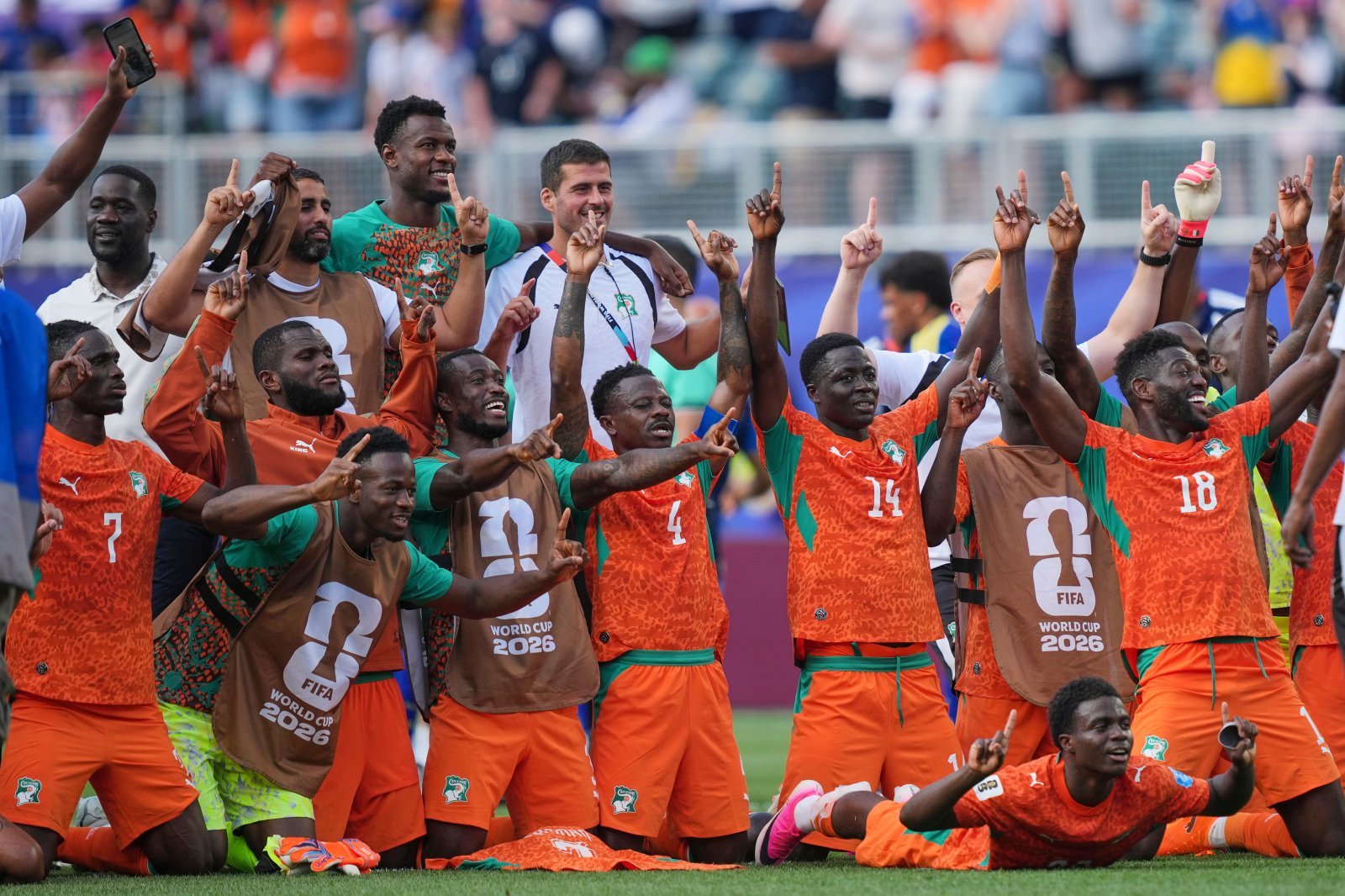
Record Betting Expected for 2026 North America World Cup as Field Expands
Translated from Korean, summarized and contextualized by DistantNews.
At a glance
News
Named sources
Context piece
- Global betting on the 2026 North America World Cup is projected to exceed $50 billion, a significant increase from the previous tournament.
- The expansion of participating teams to 48 and increased legal betting in the U.S. are driving this growth.
- While betting firms see an opportunity for new customer acquisition, long-term success depends on retaining these customers for other sports.
The 2026 North America World Cup is poised to become the largest sports betting event in history, even before the tournament begins. Global financial group Macquarie forecasts that total worldwide betting will surpass $50 billion, a substantial leap from the $35 billion wagered on the 2022 Qatar World Cup. Deutsche Bank estimates that betting in the U.S. alone could reach $3.3 billion, nearly double the amount predicted for the Super Bowl.
This surge in betting activity is attributed to two main factors: the expansion of the tournament and the relaxation of betting regulations in the United States. The World Cup will now feature 48 teams, leading to an increased number of 104 matches. Concurrently, the proportion of the U.S. population with access to legal betting has grown significantly, from approximately 40% in 2022 to 65% this year, expanding the market's overall size.
The tournament's scale has expanded, and with matches being held in the key U.S. market, it will be the biggest betting event in history.
Flutter Entertainment, a major betting company, anticipates that the combination of an expanded tournament and its staging in the key U.S. market will make this the biggest betting event ever, with total wagers potentially doubling that of the Qatar World Cup. However, some analysts suggest that for betting companies, the World Cup presents more of an opportunity to acquire new customers than to generate immediate short-term profits.
Macquarie highlighted that the ultimate financial success for these firms will hinge on their ability to convert new customers gained through the World Cup into repeat patrons for other sports. This indicates a strategic focus on long-term customer engagement rather than solely capitalizing on the immediate event.
The ultimate financial success hinges on whether new customers acquired through the World Cup can be converted into repeat customers for other sports.
DistantNews Editorial
Originally published by Dong-A Ilbo in Korean. Translated, summarized, and contextualized by our editorial team with added local perspective. Read our editorial standards.
More Stories



From Our Blog

What Gets Lost (and Found) When News Is Translated

The Critical Role of Diaspora Media in Global News

What Travellers Should Know About Countries with Restricted Press

A Digital Nomad's Guide to Following Local News

How the Same Story Looks Different in Different Countries
