


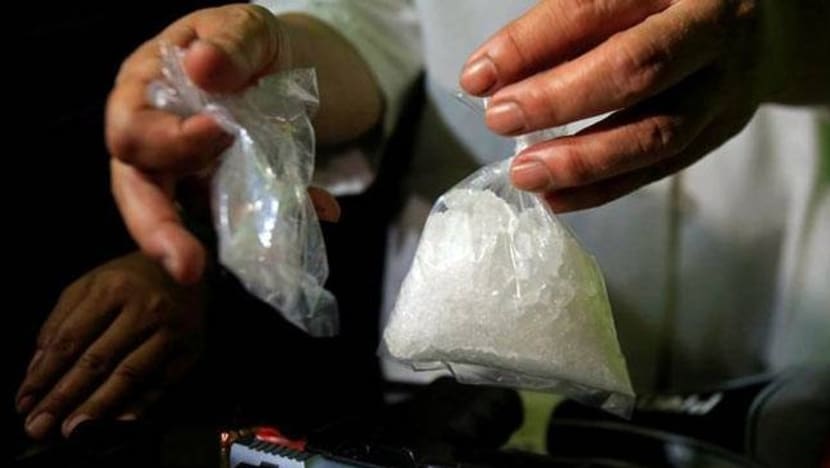
Record Drug Seizures Fail to Dent Southeast Asia's Booming Synthetic Drug Trade, UN Report Finds
Translated from English, summarized and contextualized by DistantNews.
At a glance
News
Sources not specified
Context piece
- Southeast Asia's synthetic drug trade continues to boom despite record seizures of methamphetamine and ketamine in 2025.
- Falling prices and expanding criminal networks indicate that drug supply remains strong.
- Experts warn that the region faces a persistent challenge in combating the illicit drug trade.
Despite record-breaking seizures of synthetic drugs, the illicit trade in Southeast Asia shows no signs of slowing down. Methamphetamine and ketamine confiscations across Asia reached unprecedented levels in 2025, yet this success has done little to curb the persistent flow of narcotics.
Experts point to a troubling combination of factors: falling drug prices and the continued expansion of sophisticated criminal networks. These elements suggest that the supply of synthetic drugs remains robust, overwhelming law enforcement efforts. The sheer volume of drugs being produced and trafficked highlights the immense scale of the challenge facing the region.
The United Nations report underscores the resilience of these trafficking operations. While seizures are a critical tool, they appear to be only a partial measure against a trade that adapts and grows. The falling prices, in particular, indicate an oversupply, suggesting that interdiction efforts have not significantly impacted production or distribution capabilities.
Combating this booming synthetic drug trade requires a multifaceted approach. While seizures are necessary, addressing the root causes, disrupting financial flows, and dismantling the extensive criminal organizations behind the trade are crucial. Without these comprehensive strategies, Southeast Asia is likely to remain a hotspot for synthetic drug production and trafficking.
DistantNews Editorial
Originally published by CNA in English. Translated, summarized, and contextualized by our editorial team with added local perspective. Read our editorial standards.
More Stories



From Our Blog

What Gets Lost (and Found) When News Is Translated

The Critical Role of Diaspora Media in Global News

What Travellers Should Know About Countries with Restricted Press

A Digital Nomad's Guide to Following Local News

How the Same Story Looks Different in Different Countries
